
US Starts New Review of China Aluminum Extrusions
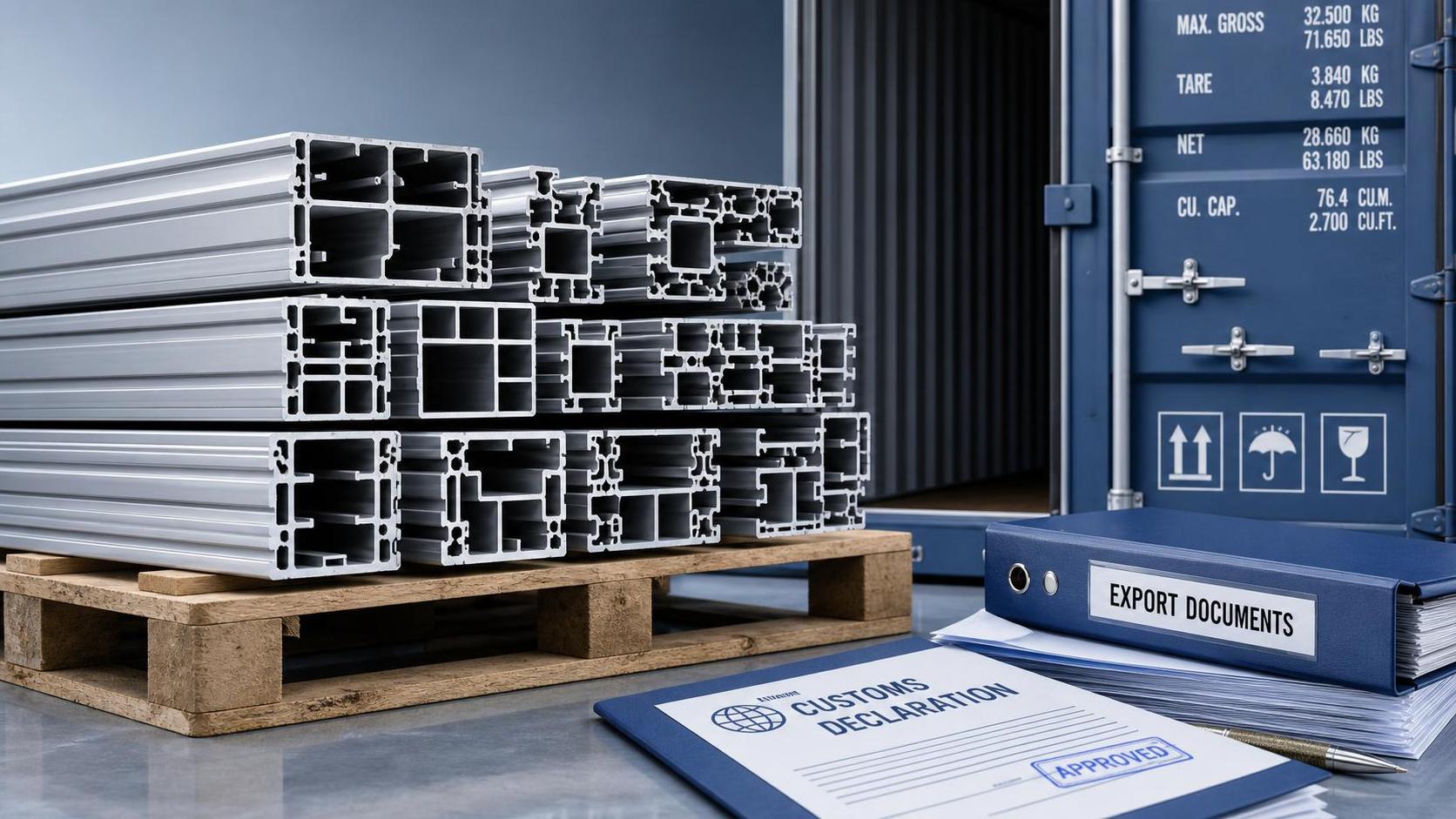
On July 4, 2026, the U.S. Department of Commerce announced the launch of the fifth administrative review of the antidumping duty order on aluminum extrusions from China for the 2024-2025 period. The review covers products such as industrial aluminum profiles and building extrusion products, and it is worth close attention from exporters, overseas importers, distributors, and channel partners because the outcome can directly affect customs costs and compliance access for shipments to the U.S. in the second half of 2026.
What Has Been Officially Announced
The confirmed development is that the U.S. Department of Commerce has formally opened the fifth administrative review of the antidumping duty order on Chinese aluminum extrusions. According to the information provided, this review will recalculate the dumping margins of the companies involved. The stated business relevance is direct: the review may shape the cost of customs clearance and the compliance threshold for exports to the U.S. starting in the latter half of 2026. The scope referenced in the input includes aluminum extrusion categories such as industrial profiles and construction-use extrusions.
Where the Pressure May Appear Across the Supply Chain
Export transactions may face immediate pricing uncertainty
From an industry perspective, direct trading companies are among the first to feel the impact because antidumping reviews can affect the landed cost structure of U.S.-bound orders. The practical issue is not only the product itself, but also how quotations, margin assumptions, and shipment timing are assessed during ongoing customer negotiations.
Importers and distributors may need to revisit execution risk
For overseas importers, distributors, and channel partners, the more immediate concern is operational exposure. Analysis shows that if duty-related expectations change, these firms may need to reopen price discussions, reassess order profitability, and review whether current sourcing arrangements remain workable under tighter cost and compliance conditions.
Documentation and origin review may become a larger part of routine work
Supply chain service providers and compliance-facing teams may also see heavier scrutiny around origin-related files and transaction records. Observably, the information provided already points to stronger review of origin documentation, which means customs handling, document preparation, and internal record consistency could become more important in day-to-day trade execution.
Downstream buyers may evaluate supply flexibility rather than wait for a final result
For procurement teams and end-use buyers relying on these extrusion products, the issue is less about policy interpretation and more about supply continuity. What deserves closer attention is whether current suppliers can maintain delivery and compliance stability if the review changes the cost or entry conditions for U.S. imports later in 2026.
What Companies Should Watch Now
Follow subsequent official wording, not just the headline
Analysis shows that the opening of a review and the final commercial effect are not the same thing. Companies involved in U.S.-bound aluminum extrusion business should closely track how official statements develop, especially any clarifications tied to scope, review treatment, and the practical implications for shipment entry and customs handling.
Check which product lines and customer orders are most exposed
Businesses should identify whether industrial aluminum profiles, building extrusion products, or related orders for the U.S. market are tied to contracts that could be affected in the second half of 2026. The immediate value of this step is to separate routine business from orders that may require revised pricing, revised delivery terms, or closer compliance checks.
Prepare for tighter document control around origin and transaction records
Observably, document review is one of the clearest operational signals in the information provided. Companies should pay attention to origin files, supporting trade documents, and the internal consistency of shipment records, since stronger scrutiny in these areas can affect customs processing and customer confidence even before any broader commercial adjustment is finalized.
Keep alternative supply and communication plans ready
From an industry perspective, this is also a planning issue. Importers, distributors, and channel partners may need to evaluate backup sourcing options and prepare customer communication in case quotations or delivery assumptions need to be updated. That does not mean a final disruption is already determined, but it does mean contingency planning has practical value now.
How This Signal Should Be Read at This Stage
It is more appropriate to understand this as an active trade compliance and cost signal rather than a completed market outcome. The confirmed fact is the launch of the review; the broader commercial consequences will depend on how dumping margins are recalculated and how market participants respond in pricing, sourcing, and documentation practices. Analysis shows that the industry should treat this as a development that requires continued monitoring, especially for businesses with regular exposure to U.S.-bound aluminum extrusion trade.
Why the Industry Should Keep Watching
The current development matters because it links policy procedure directly to operating decisions. For the aluminum extrusion trade, the issue is not limited to legal review language; it extends into quotation strategy, customs readiness, partner coordination, and sourcing resilience. At this stage, the most balanced reading is that the review creates a near-term need for tighter commercial and compliance management, while the full business effect still requires further observation.
Basis of This Article
This article is based on the user-provided news title, event date, and event summary regarding the July 4, 2026 launch by the U.S. Department of Commerce of the fifth administrative review of the antidumping duty order on aluminum extrusions from China. For this type of development, relevant source categories typically include official government notices, company disclosures, industry association updates, authoritative media reporting, and related compliance documentation. A specific official source link was not provided in the input, so the exact source document should continue to be verified. The main follow-up points to watch are any later official wording, adjustments affecting customs or compliance treatment, and the practical response of importers, distributors, and supply chain partners.
Navigation
Send Us A Message
Professional field of aluminum bars
24/7 before-sales and after-sales services
Comprehensive technical support