
US Sets Preliminary AD Rates on China Aluminum Extrusions
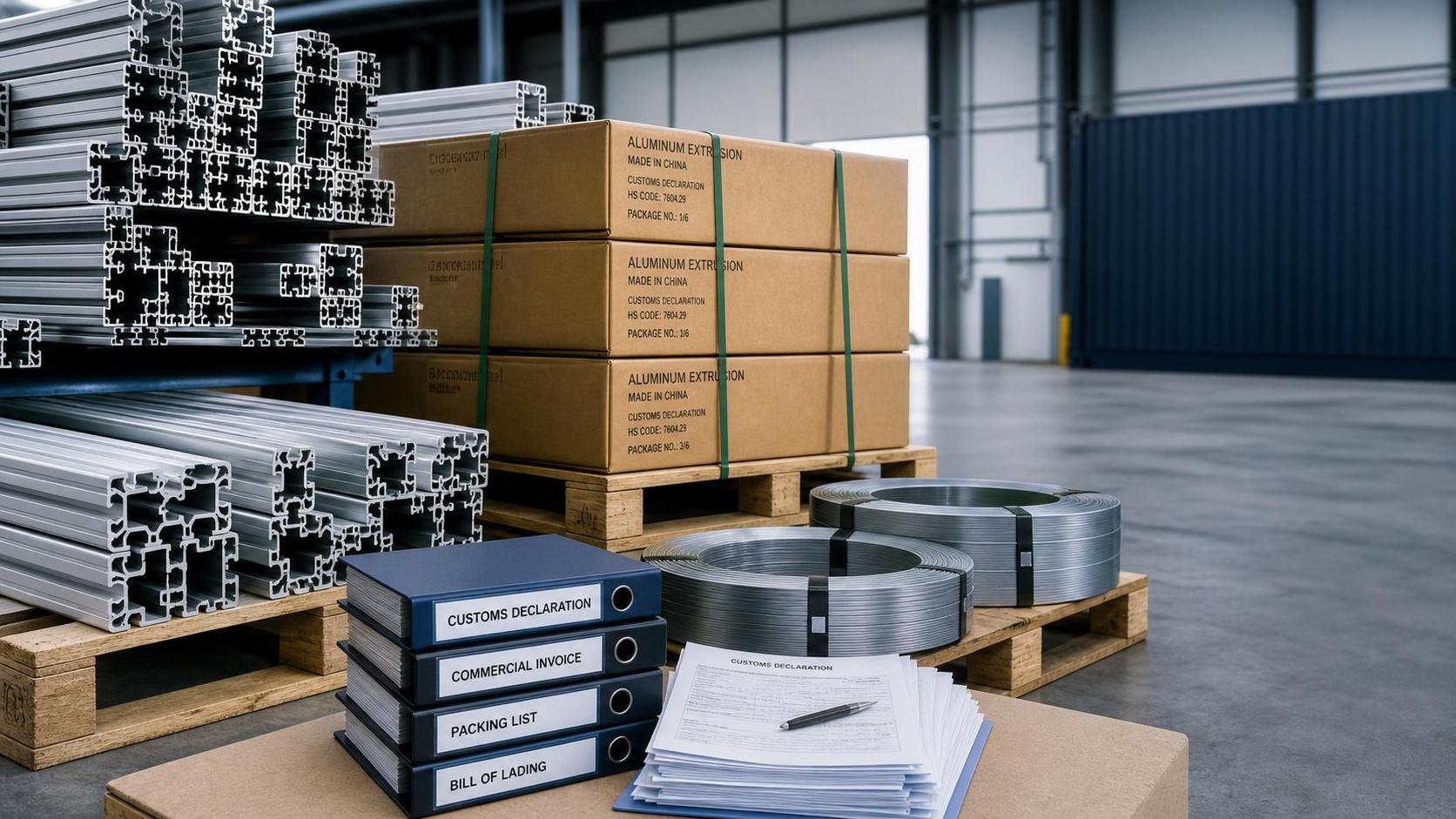
On July 12, 2026, the U.S. Department of Commerce released a preliminary anti-dumping determination covering aluminum extrusions from China, finding dumping and assigning weighted-average margins of 18.7% to 32.4% to multiple Chinese exporters. For companies involved in cross-border supply, this matters immediately because it can affect export pricing, customs compliance, and order delivery timing, while U.S. importers are also facing an August 15 deadline to prepare comments or product exclusion requests.
What the preliminary determination confirms
According to the information provided, the case concerns aluminum extrusions originating in China. The preliminary determination was issued by the U.S. Department of Commerce on July 12, 2026. In that determination, the agency found dumping and preliminarily assigned weighted-average dumping margins ranging from 18.7% to 32.4% for multiple Chinese exporting companies. The same information indicates that the decision has direct implications for export quotations, customs clearance compliance, and order fulfillment cycles. It also states that importers need to reassess supplier qualifications and cost structures and prepare comments or product exclusion applications before August 15.
Where the immediate pressure is likely to appear
Export pricing and trade execution
From an industry perspective, direct trading companies are likely to feel the impact first in quotation management and transaction execution. When preliminary dumping margins are introduced, the practical issue is not only price adjustment but also how existing quotations, pending negotiations, and shipment plans are evaluated against the new trade risk.
Importer-side supplier review
U.S. importers and procurement teams are likely to focus on supplier qualification and cost structure review. Analysis shows that this is not only a sourcing question but also a risk-screening exercise: buyers need to understand whether the current supplier setup remains workable under the preliminary rates and whether documentation and commercial terms still align with compliance requirements.
Customs and supply chain coordination
Supply chain service providers, customs-related teams, and order coordination functions may see added pressure around documentation accuracy and lead-time management. Observably, when a trade remedy decision directly affects customs compliance and fulfillment timing, the operational burden often shifts to the teams handling declarations, shipping schedules, and cross-party communication.
Downstream delivery planning
For manufacturers, distributors, and end-use buyers that rely on imported aluminum extrusions, the main concern is continuity of delivery rather than abstract policy interpretation. What deserves closer attention is whether sourcing plans, production scheduling, or customer commitments need to be reviewed in light of possible timing and cost changes.
What companies should watch before August 15
Separate confirmed facts from commercial assumptions
Companies should distinguish between what has already been confirmed in the preliminary determination and what still belongs to commercial interpretation. The confirmed points are the preliminary dumping finding, the 18.7% to 32.4% margin range for multiple Chinese exporters, and the August 15 window for comments or product exclusion requests. Pricing decisions beyond that should be handled as risk-based judgment, not as settled final outcomes.
Check affected quotations, orders, and lead times
Businesses with active U.S.-bound orders should review whether quoted prices, delivery commitments, and shipment timelines still reflect the new trade environment described in the provided information. This is especially relevant where customs clearance timing and fulfillment schedules are already tight.
Reassess supplier files and transaction records
The information provided specifically points to supplier qualification and cost structure reassessment. In practice, that means companies should review the commercial and compliance materials supporting current transactions, especially where importer-side submissions, internal review, or customer explanations may be required before August 15.
Prepare for communication, not just filing
Analysis shows that the deadline is not only a procedural date. It is also a coordination point for exporters, importers, sourcing teams, customs-related functions, and customers. Companies should be ready to explain what is confirmed, what remains under review, and how current orders may be affected in pricing, compliance, or timing terms.
Why this should be read as a developing signal
Observably, this update is significant because it already creates operational consequences, but it is more appropriate to understand it as a developing trade signal rather than a fully settled end state. The preliminary determination has immediate business relevance, especially for pricing, compliance, and delivery planning. At the same time, the existence of an August 15 comment and product exclusion window means the process still contains an active response stage that companies cannot ignore.
How the market should frame this update now
At this stage, the most balanced reading is that the U.S. preliminary anti-dumping determination on Chinese aluminum extrusions is neither a routine headline nor a final commercial endpoint. It should be treated as an actionable development with near-term effects on transaction management and supply chain coordination, while also remaining a policy process that still warrants close monitoring. For industry participants, the practical priority is to manage today’s exposure without overstating conclusions that have not yet been confirmed in the input information.
Basis of this article and what still needs verification
This article is based on the user-provided news title, event date, and event summary. For developments of this type, commonly relevant source categories may include official government notices, corporate disclosures, industry association updates, authoritative media reporting, and trade or standards-related documents. A specific official source link was not provided in the input, so the exact publication record should still be continuously verified. The main follow-up points to watch are any subsequent official wording, changes related to comments or product exclusion requests before August 15, and any further clarification affecting pricing, customs compliance, or fulfillment timing.
Navigation
Send Us A Message
Professional field of aluminum bars
24/7 before-sales and after-sales services
Comprehensive technical support