
Troubleshooting Common Issues with Power Aluminum Busbar Installations
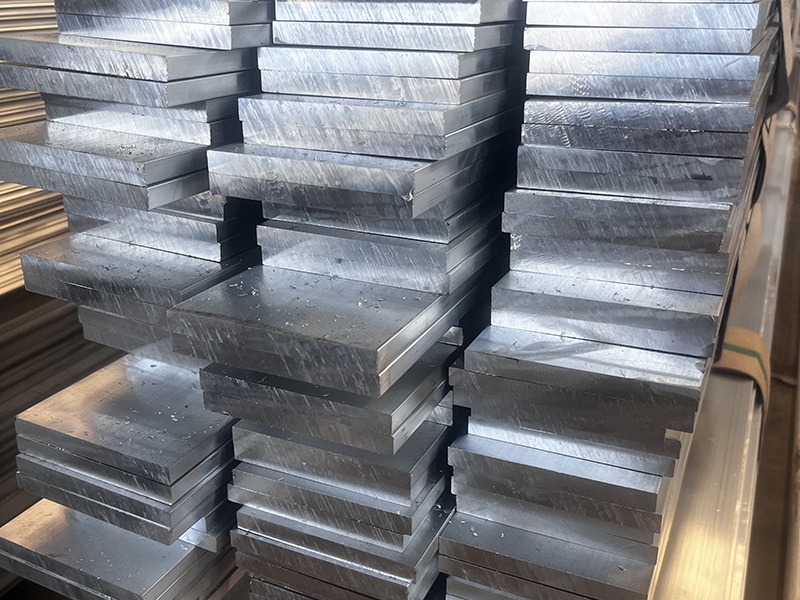
Installing a power aluminum busbar is a critical step in ensuring efficient and reliable power distribution. However, even the most meticulous installations can encounter unexpected challenges. As a user or operator, understanding how to troubleshoot these common issues is essential to maintaining system stability and preventing costly downtime. In this guide, we'll explore the frequent pitfalls associated with power aluminum busbar installations and provide practical solutions to keep your operations running smoothly. Discover expert tips from Shandong Jinhao Aluminum Co., Ltd. on optimizing your power systems for long-lasting performance.
What are the Most Common Issues Encountered During Power Aluminum Busbar Installations?
When installing a power aluminum busbar, several common issues can arise, often related to improper handling, inadequate preparation, or environmental factors. A frequent problem is poor connection quality, which can lead to increased electrical resistance and localized heating. This is often caused by insufficient tightening torque on bolts or the presence of oxidation on the contact surfaces. Understanding the nuances of aluminum's properties is crucial; unlike copper, aluminum forms a tough oxide layer almost instantly when exposed to air, which can impede conductivity if not properly addressed.
Another common challenge is thermal expansion. Power aluminum busbars expand and contract with temperature changes. If the installation does not allow for this movement, it can cause mechanical stress on the busbar and supporting structures, potentially leading to deformation or failure over time. Furthermore, incorrect sizing or selection of the busbar material for the specific application can result in overheating and reduced lifespan. This is where partnering with a reliable Aluminum busbar manufacturer becomes vital, ensuring the material meets the exact demands of your power distribution system.
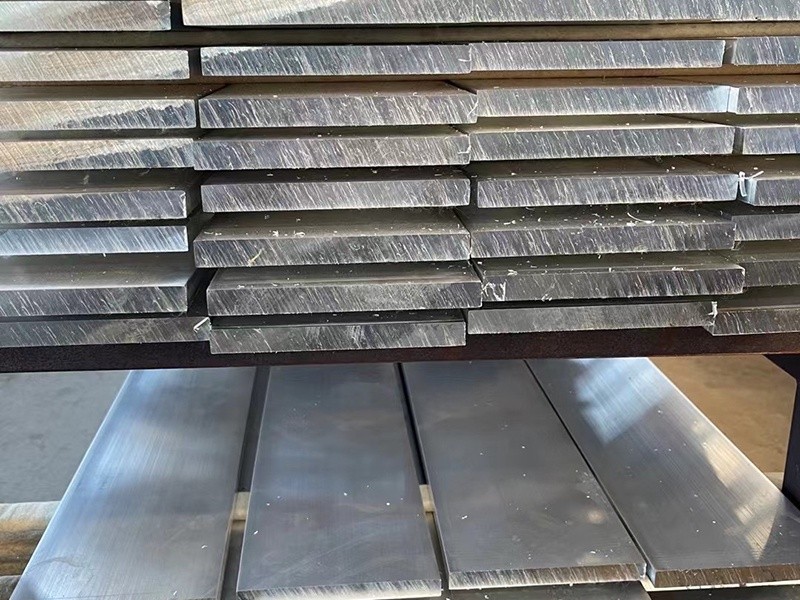
How Can I Identify and Resolve Connection Problems in My Power Aluminum Busbar System?
Identifying connection problems early is essential for preventing significant system failures. One of the most effective methods is thermographic inspection. Using an infrared camera allows operators to detect hot spots along the power aluminum busbar, which are strong indicators of poor connections, high resistance, or overloading. If a hot spot is identified, the immediate step is to power down the system and inspect the connection point. Often, the solution involves cleaning the contact surfaces to remove any oxide layer and re-applying a suitable joint compound.
When reassembling, it is critical to use the correct tightening torque specified by the manufacturer. Over-tightening can deform the aluminum, while under-tightening leaves the connection loose, both of which degrade conductivity. Utilizing proper hardware, such as Belleville washers, can help maintain consistent pressure on the joint, compensating for thermal expansion and contraction. Regular maintenance schedules that include these checks are a cornerstone of a reliable power distribution network.
Troubleshooting Checklist for Busbar Connections
What Environmental Factors Should Be Considered During Installation?
Environmental factors play a significant role in the performance and longevity of a power aluminum busbar. Moisture and humidity are primary concerns, as they can accelerate the formation of aluminum oxide, reducing the effectiveness of connections. In outdoor or harsh industrial environments, such as metallurgy or chemical processing, corrosive gases and dust can also degrade the busbar material. Shandong Jinhao Aluminum Co., Ltd. addresses these challenges by offering aluminum profiles with superior corrosion resistance, ensuring stable performance even in demanding applications.
To mitigate environmental impacts, proper sealing and enclosure of the busbar system are often necessary. In applications like new energy or rail transit, where exposure to the elements is common, utilizing protective coatings or anodized aluminum can significantly extend the system's life. Additionally, ensuring proper ventilation within the busbar enclosure is crucial to manage heat dissipation effectively. A well-designed system will account for these variables, ensuring the power aluminum busbar maintains its structural adaptability and efficient conductivity over time.
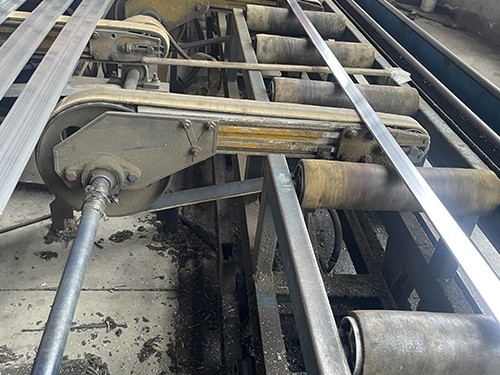
How Does Material Selection Impact the Troubleshooting Process?
The choice of material fundamentally influences both the initial installation success and long-term maintenance requirements. Different aluminum alloys, such as 1060, 6063, or 6061-T6, offer varying degrees of conductivity, strength, and workability. Selecting an inappropriate alloy for a high-current application might lead to excessive heating, requiring frequent troubleshooting. Conversely, choosing a high-strength alloy for a complex routing path might make bending and shaping difficult during installation, leading to structural stress.
Working with an experienced Aluminum busbar manufacturer can streamline material selection. Shandong Jinhao Aluminum Co., Ltd. provides expert product consultation to ensure the chosen alloy aligns with the specific requirements of your project, whether it's for industrial electronics, cold storage, or construction. By leveraging high-quality materials with stable conductivity and low weight, many common installation and operational issues can be preemptively avoided, reducing the overall need for complex troubleshooting.
What Are the Best Practices for Long-Term Maintenance of Power Aluminum Busbars?
Long-term maintenance is less about constant repair and more about consistent monitoring and preventive action. Implementing a routine inspection schedule is the most effective strategy. This should include visual checks for physical damage, corrosion, or discoloration, alongside periodic thermographic surveys to catch temperature anomalies before they escalate into failures. Ensuring that the operating environment remains within the design parameters of the power aluminum busbar system is also vital for long-term operating value.
- Regularly check the torque on all bolted connections.
- Clean the busbars periodically to remove dust and debris that could impede heat dissipation.
- Inspect support structures for signs of wear or movement caused by thermal expansion.
- Update maintenance logs to track the history of the system and predict future needs.
Effective troubleshooting of a power aluminum busbar system relies on a solid understanding of the material's properties, proper installation techniques, and a commitment to regular maintenance. By anticipating common issues such as connection degradation, thermal expansion, and environmental wear, operators can ensure their power distribution networks remain robust and efficient. When planning your next project, carefully consider the specific demands of your application and prioritize high-quality materials. For specialized requirements and comprehensive support, consulting with experienced manufacturers like Shandong Jinhao Aluminum Co., Ltd. can provide the technical expertise necessary to optimize your system's performance and reliability.
Navigation
Send Us A Message
Professional field of aluminum bars
24/7 before-sales and after-sales services
Comprehensive technical support