
Top 5 Applications Where Power Aluminum Busbars Outperform Copper
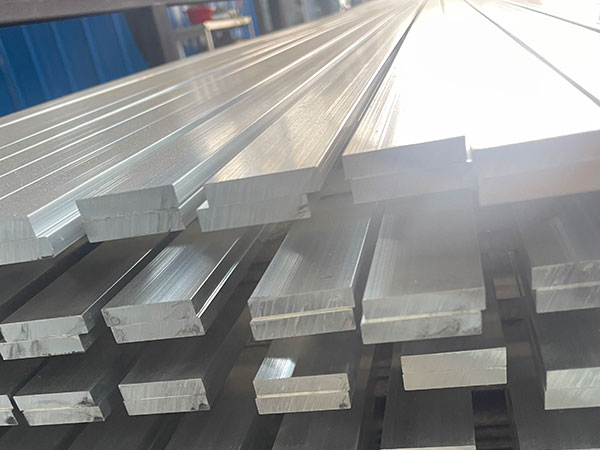
When engineering modern power systems, material selection is critical to balancing performance and cost. For decades, copper has been the default choice. However, the landscape is shifting. Discover the top 5 applications where a power aluminum busbar not only rivals but actively outperforms its copper counterpart, offering engineering project managers a strategic advantage in efficiency, weight reduction, and overall project viability.
Renewable Energy Installations
Solar and wind farms require extensive power distribution networks spread over vast areas. The sheer volume of material needed makes copper prohibitively expensive. A power aluminum busbar significantly reduces the upfront material costs.
Furthermore, the lighter weight of an aluminum busbar simplifies handling and installation. This lightweight structure helps lower handling and installation effort across large outdoor sites.
- Consider aluminum busbars to minimize foundational support requirements in expansive solar arrays.
- Evaluate the total cost of ownership, factoring in material savings versus slightly larger busbar cross-sections.
Ensure proper joint preparation techniques, like applying joint compound, to prevent oxidation in outdoor environments.

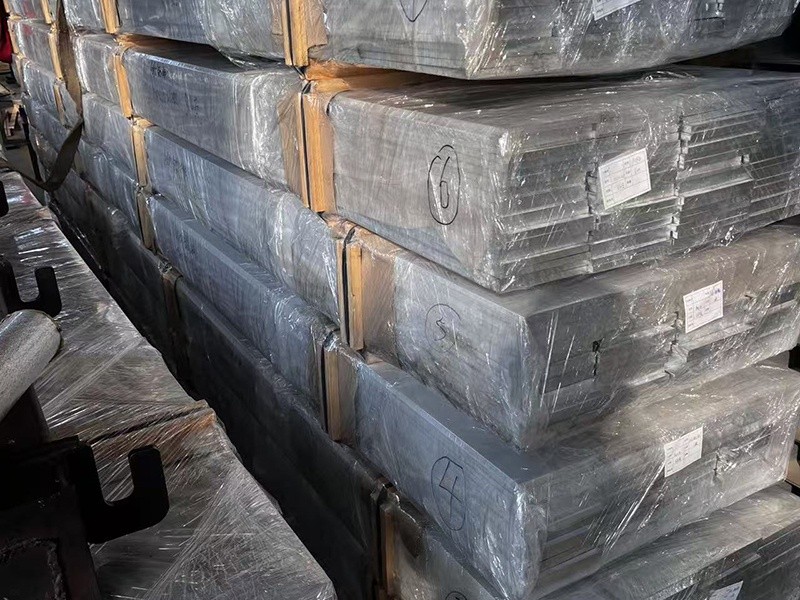
Electric Vehicle Charging Infrastructure
The rapid expansion of EV charging networks demands scalable and cost-effective power solutions. A power aluminum busbar provides favorable thermal conductivity to support the heat transfer requirements of high-power charging stations.
The 6063 aluminum busbar is particularly well-suited for this application due to its balanced performance. It is moderately soft and hard, which helps reduce manufacturing difficulty during punching, forming, and installation.
One common risk is neglecting the thermal cycling effects in fast-charging stations. Proper mounting and expansion joints are crucial.
Large-Scale Data Centers
Data centers consume enormous amounts of power. Efficient power transmission and distribution are paramount. Aluminum busbars offer good electrical conductivity for general power transmission within these facilities.
The weight savings are significant when routing power across extensive server halls. Using a power aluminum busbar overhead reduces structural loads on the building infrastructure.
- Utilize aluminum busbars for primary power distribution from the main switchgear to individual data halls.
- Factor in the larger spatial requirements of aluminum when designing overhead containment routes.
- Specify high-quality, factory-assembled aluminum busway systems to ensure consistent joint integrity.
Industrial Manufacturing Facilities
Industrial control electronics and automated production lines require robust power distribution. A power aluminum busbar provides a cost-effective material choice for a wide range of standard applications within manufacturing plants.
The easy machining for cutting, drilling, bending, and assembly makes aluminum highly adaptable to complex industrial layouts.
Commercial High-Rise Buildings
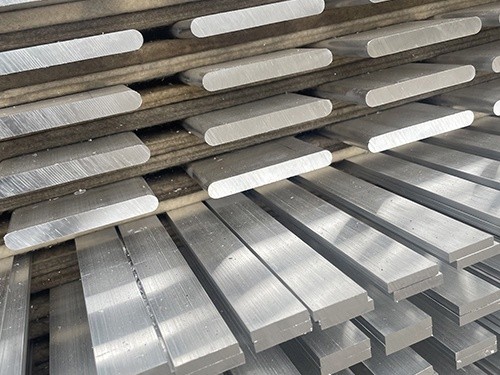
Vertical power distribution in high-rise buildings presents unique challenges. The weight of copper busbars in long vertical risers can be immense. A power aluminum busbar offers a lightweight structure that simplifies transport, handling, and installation.
Choosing a 6063 aluminum busbar for building infrastructure helps minimize the load on structural supports. It also facilitates easier integration into power distribution cabinets.
When specifying a power aluminum busbar, review the project's specific spatial constraints, weight limitations, and budget to maximize the advantages of this versatile material.
Navigation
Send Us A Message
Professional field of aluminum bars
24/7 before-sales and after-sales services
Comprehensive technical support