
Pure Aluminum Busbar Conductivity: What Affects Real Performance
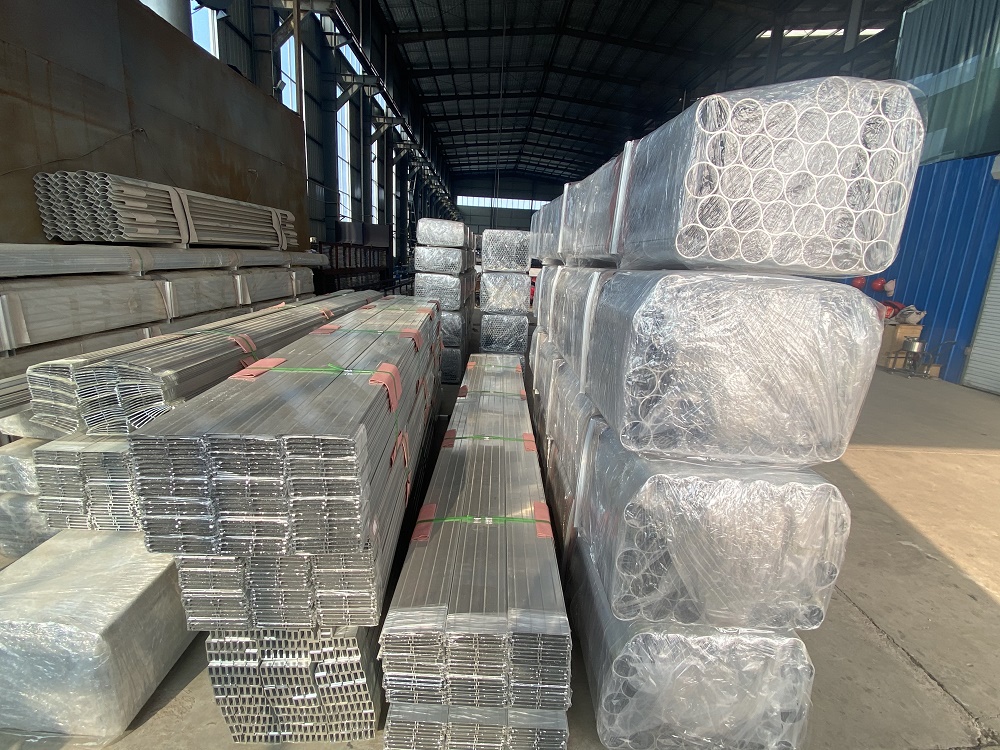
Pure aluminum busbar is often chosen for conductivity, yet actual performance is shaped by more than a catalog value. In power distribution, rail transit, equipment lines, and new energy systems, the difference between stable transmission and avoidable loss usually comes from material control, joint quality, heat behavior, and the service environment.
Why conductivity figures do not tell the whole story
A laboratory rating reflects ideal conditions. Real installations introduce vibration, dust, humidity, load fluctuation, and uneven contact pressure.
That is why Pure aluminum busbar selection should start with operating conditions, not only conductivity percentage.
The aluminum industry pays close attention to this because lightweight conductors can improve system design, but only when performance remains predictable over time.
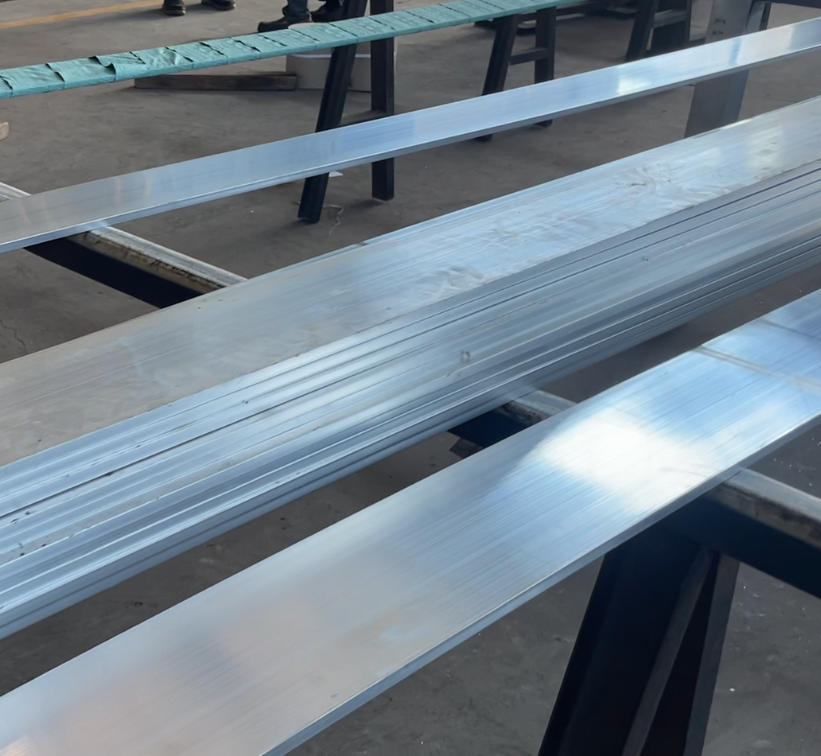
Key factors behind real performance
Purity matters first. Higher aluminum purity generally supports better conductivity, while uncontrolled composition can increase resistance and temperature rise.
Surface condition matters just as much. Oxide film, scratches, or contamination at contact points can weaken current transfer.
Joint design is another common issue. Poor fastening torque or limited contact area often creates local heating before the busbar body becomes the problem.
Installation layout also affects results. Tight spacing, weak ventilation, and high ambient temperature reduce the current-carrying margin of a Pure aluminum busbar.
What deserves routine checking
- Contact surface cleanliness and oxidation condition
- Torque consistency at bolted joints
- Temperature rise during peak load periods
- Signs of discoloration, loosening, or vibration stress
How this connects with fabrication quality
Consistent raw material and process control make a visible difference. Producers with standardized inspection, smelting, casting, and deep-processing capability usually deliver more reliable dimensional and electrical consistency.
Shandong Jinhao Aluminum builds around that logic, combining premium aluminum raw materials, precision processing, and full-process quality control for industrial applications that demand stable performance.
In related fabrication work, support parts and machined components also influence final assembly quality. For example, Aluminum rod can be useful where low weight, corrosion resistance, and good machinability are needed for fixtures, connectors, or equipment support components.
Practical judgment in daily use
A good Pure aluminum busbar is not simply the one with the highest stated conductivity. It is the one matched to current load, joint method, enclosure conditions, and maintenance frequency.
When comparing options, it helps to review material certification, dimensional accuracy, surface treatment, and inspection records together.
If the application includes outdoor exposure, moisture, or corrosive air, long-term surface stability deserves extra attention.
The next step is straightforward: map the actual load, heat, and connection conditions first, then compare busbar and supporting aluminum components against those realities before final selection.
Navigation
Send Us A Message
Professional field of aluminum bars
24/7 before-sales and after-sales services
Comprehensive technical support