
New Zealand Opens Safeguard Probe on Aluminum Profiles
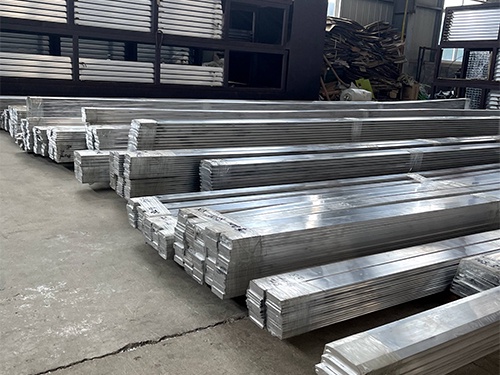
On May 28, 2026, New Zealand opened a safeguard investigation into certain imported aluminum profiles under WTO rules to examine whether a surge in imports has caused serious injury to domestic industry. For exporters in Asia-Pacific and China, as well as overseas importers and distributors serving the New Zealand market, the development deserves attention because it may reshape near-term customs, documentation, cost, and delivery arrangements rather than remaining a routine trade headline.
What Has Been Confirmed So Far
The confirmed facts are limited but commercially significant. New Zealand has formally initiated a safeguard investigation covering certain imported aluminum profiles. The review is being conducted within the WTO safeguard framework and focuses on whether increased imports have caused serious injury to the domestic industry. Based on the event summary provided, the investigation could, within the next three to six months, lead to temporary additional duties or quota restrictions. The same summary indicates that this may directly affect delivery timing and cost structures for exporters from Asia-Pacific and China supplying the New Zealand market, while also increasing customs uncertainty and tightening document expectations for overseas importers and distributors.
Where Trade Friction May Reach the Supply Chain
Export shipments may face timing and cost pressure
For exporters shipping aluminum profiles to New Zealand, the immediate exposure is not only tariff risk but also uncertainty around shipment planning. If temporary duties or quota measures are introduced during or after the investigation window, contract pricing, shipment sequencing, and delivery commitments may all come under pressure. What deserves closer attention is whether current export files, origin-related documents, and supporting trade records are sufficiently complete to withstand stricter scrutiny during customs clearance.
Importers and distributors may need tighter clearance control
For importers and distributors, the practical issue is that a safeguard case often changes the compliance threshold before any final commercial adjustment is made. In this case, the provided information already points to higher customs uncertainty and stricter documentation requirements. That means businesses may need to review supplier qualifications, product descriptions, origin certificates, and transaction paperwork more carefully to reduce the risk of delay, dispute, or unexpected landed-cost changes.
Procurement teams may need alternative sourcing scenarios
For procurement and supply planning functions, the investigation introduces a new variable into replenishment decisions. Analysis shows that if a temporary duty or quota mechanism emerges within the indicated three-to-six-month window, companies dependent on stable inbound flow to New Zealand may need to reassess inventory buffers and supplier concentration. This is less about proving a final market shift today and more about preparing for a rules-driven interruption in normal sourcing rhythm.
Supply chain service providers may see execution complexity rise
Logistics, customs brokerage, and related service providers may also be affected because trade remedy investigations often require closer coordination on paperwork, timing, and shipment classification. From an industry perspective, any increase in review intensity can translate into more communication around origin support, shipment scheduling, and clearance readiness, especially for cargo already moving toward the New Zealand market.
What Companies Should Watch Now
Recheck origin and supplier documentation
The event summary specifically highlights the need to reassess supplier qualifications and proof of origin. Companies involved in this trade flow should therefore focus on whether existing origin documents, supplier records, and transaction files are internally consistent and ready for stricter review. This is a compliance preparedness issue, not yet a confirmed change in final import conditions.
Track any change in duty or quota execution
The current situation should be monitored as a live trade-rule process. Observably, the most sensitive variable is whether the investigation moves toward temporary additional duties or quota limits within the next three to six months. Until a clearer execution outcome appears, businesses should avoid treating potential measures as settled fact while still preparing operational scenarios around them.
Review inventory and delivery commitments
Because the provided information points directly to possible disruption in delivery rhythm and cost structure, companies with open orders, scheduled replenishment, or committed lead times into New Zealand should review inventory positioning and delivery promises. The practical objective is to identify where customs uncertainty could affect service levels or landed-cost assumptions.
Prepare for stricter clearance coordination
Importers, distributors, and their service partners should pay closer attention to the quality and completeness of commercial and compliance documents used in customs procedures. Analysis shows that even before any temporary measure is confirmed, a more demanding review environment can raise the importance of document alignment across supplier, exporter, importer, and clearance agent records.
Why This Looks More Like a Trade Signal Than a Final Outcome
From an industry perspective, this development is more appropriate to understand as an execution signal than as a completed policy outcome. The confirmed step is the launch of a safeguard investigation, not the imposition of a final trade restriction. At the same time, the possibility of temporary duties or quotas within a relatively short period means market participants cannot treat the case as distant or procedural only. Observably, the main value of this update lies in alerting companies to review compliance readiness and sourcing resilience before any formal measure changes import economics.
How the Market May Need to Read This Stage
The significance of this event lies in its potential to shift trade operations before any final conclusion is reached. For affected businesses, the immediate issue is not a confirmed long-term market rewrite but a period of elevated compliance, customs, and supply planning uncertainty. It is more appropriate to read this as a rule-development process that already warrants operational review, while the final scope and intensity of impact still require continued observation.
Source Basis and Ongoing Verification
This article is generated from the user-provided news title, event date, and event summary. For developments of this type, relevant source categories usually include official notices, trade or customs authority releases, regulatory publications, industry association updates, standard-setting documents, and reporting by authoritative media. No specific official source link was provided in the input, so the underlying official reference still needs continued verification. Further monitoring should focus on any detailed policy wording, enforcement interpretation, tender or procurement document changes, market feedback, and how companies adjust actual execution during the investigation period.
Navigation
Send Us A Message
Professional field of aluminum bars
24/7 before-sales and after-sales services
Comprehensive technical support