
New Zealand Opens Probe Into Aluminum Extrusions
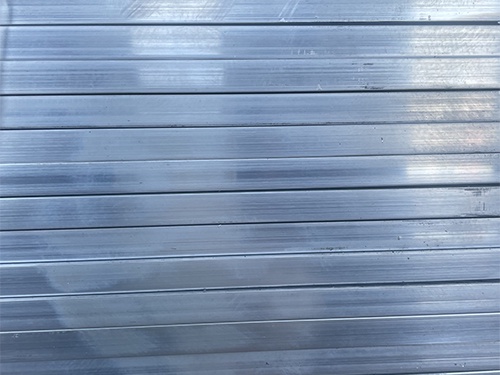
On May 28, 2026, New Zealand launched a safeguard investigation into certain imported aluminum extrusions, starting a WTO-based review of whether temporary import restrictions are warranted. For exporters of industrial and construction aluminum profiles, as well as importers, distributors, and customs-facing supply chain operators, this development deserves attention because it may affect clearance timing, contract execution, and downstream cost control in a relatively direct way.
What Has Been Confirmed So Far
The confirmed information is limited but commercially significant. New Zealand has formally opened a safeguard investigation covering some imported aluminum extrusions. The review is being conducted under WTO rules to assess whether temporary import restrictions should be applied. Based on the event summary provided, the possible outcomes under consideration may include anti-dumping duties, quotas, or additional inspection requirements. The scope covers a broad range of industrial and construction aluminum profiles, and that product coverage substantially overlaps with the core export products of Shandong Jinhao Aluminum.
Where Pressure May Appear First in the Trade Chain
Export shipments may face a higher compliance threshold
From an industry perspective, direct trading companies are likely to focus first on customs timing and admissibility risk. If the investigation leads to tighter border measures or additional checks, the immediate impact may not only be on tariff cost, but also on document readiness, cargo release timing, and the predictability of delivery schedules.
Manufacturers may need to reassess delivery commitments
For processors and manufacturers shipping aluminum profiles to New Zealand, the main concern is whether existing delivery promises remain realistic under a changing trade-control environment. Analysis shows that when a product scope overlaps with core export lines, production planning and outbound scheduling can become more exposed to delays tied to customs treatment rather than factory capacity alone.
Distributors and buyers may see cost transmission risks
For channel distributors, procurement teams, and downstream buyers, the issue is not limited to the import stage. Observably, if duties, quotas, or extra inspection steps are introduced, landed cost calculations, inventory timing, and resale pricing may all come under pressure. That makes this development relevant not only to exporters, but also to businesses managing stock turnover and customer delivery commitments in the destination market.
Service providers may need closer coordination on clearance
Supply chain service providers, especially those involved in customs documentation and shipment coordination, may need to pay closer attention to product descriptions, category coverage, and procedural changes. What deserves closer attention is the possibility that operational friction could emerge even before any final trade measure materially changes price.
What Companies Should Watch Now
Track how the official wording evolves
Companies should pay close attention to how the product scope and procedural language develop in subsequent official statements. In practice, the commercial impact often depends on how covered products are defined and how border enforcement is implemented, not only on the headline that an investigation has started.
Review exposure by product line and destination orders
Businesses with exports of industrial or construction aluminum profiles to New Zealand should map which active orders, quotations, and repeat product categories could fall within the investigated range. This is especially relevant where the affected scope overlaps with core export products.
Prepare documentation and customer communication early
Analysis shows that customs risk and contract performance risk can move together in situations like this. Exporters and related service teams should therefore examine supporting documents, shipment files, and customer-facing delivery communication so that any delay, inspection, or cost change can be addressed with less disruption.
Separate policy signals from immediate operational changes
It is more appropriate to distinguish between the investigation itself and any eventual trade measure. The launch of a probe is already a policy signal that matters, but operational decisions should still be based on confirmed procedural changes rather than assumptions about final outcomes.
How This Development Should Be Read at This Stage
This section is analysis rather than confirmed fact. At present, the news is better understood as an active trade-risk signal than as a settled market outcome. The reason the industry needs to keep watching is that safeguard investigations can alter commercial expectations before they produce final restrictions, particularly when product coverage is broad and closely aligned with existing export lines. Observably, the combination of compliance risk, clearance uncertainty, and contract performance pressure is what gives this case its practical importance.
Why Continued Monitoring Matters
At this point, a cautious interpretation is the most appropriate one. The confirmed fact is that New Zealand has opened a safeguard investigation into certain imported aluminum extrusions; the broader market consequences still depend on how the review develops and whether concrete measures follow. For the industry, the significance lies less in a confirmed result today and more in the need to manage short-term customs and delivery risk while watching for longer-term trade policy direction.
Basis of This Article
This article is based on the user-provided news title, event date, and event summary. For developments of this kind, relevant source types usually include official notices, company disclosures, industry association updates, authoritative media coverage, and standards or trade-related documents. No specific official source link was provided in the input, so the underlying official publication and any later procedural updates still require ongoing verification. The key follow-up points are the official scope definition, any procedural changes affecting clearance, and whether temporary import restrictions are ultimately adopted.
Navigation
Send Us A Message
Professional field of aluminum bars
24/7 before-sales and after-sales services
Comprehensive technical support