
Key Standards for Chinese Aluminum Busbar Factories
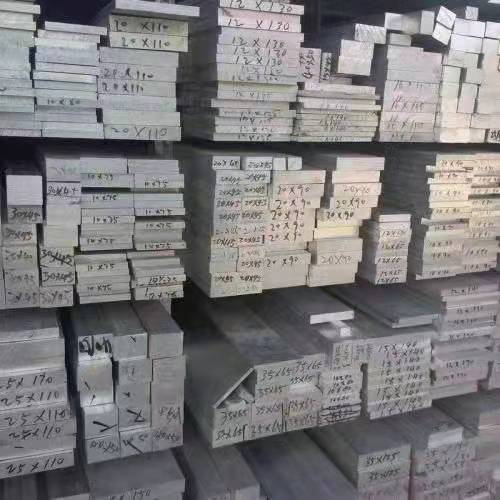
Key Standards for Chinese Aluminum Busbar Factories
Choosing a Chinese aluminum busbar factory is rarely about price alone. The real test is whether the supplier can keep alloy quality stable, hold tight tolerances, and document compliance without gaps.
In practical projects, that matters more when busbars serve power systems, automation lines, rail transit, or new energy equipment. A capable source should combine production discipline with responsive customization.
What standards should be checked first?
Start with material traceability, dimensional accuracy, conductivity requirements, and surface quality. These are the basics that directly affect installation fit, electrical performance, and downstream reliability.
A reliable Chinese aluminum busbar factory should also show how raw materials are controlled, how extrusion or deep processing is managed, and how inspections are recorded from batch to shipment.
How do you judge manufacturing depth, not just factory scale?
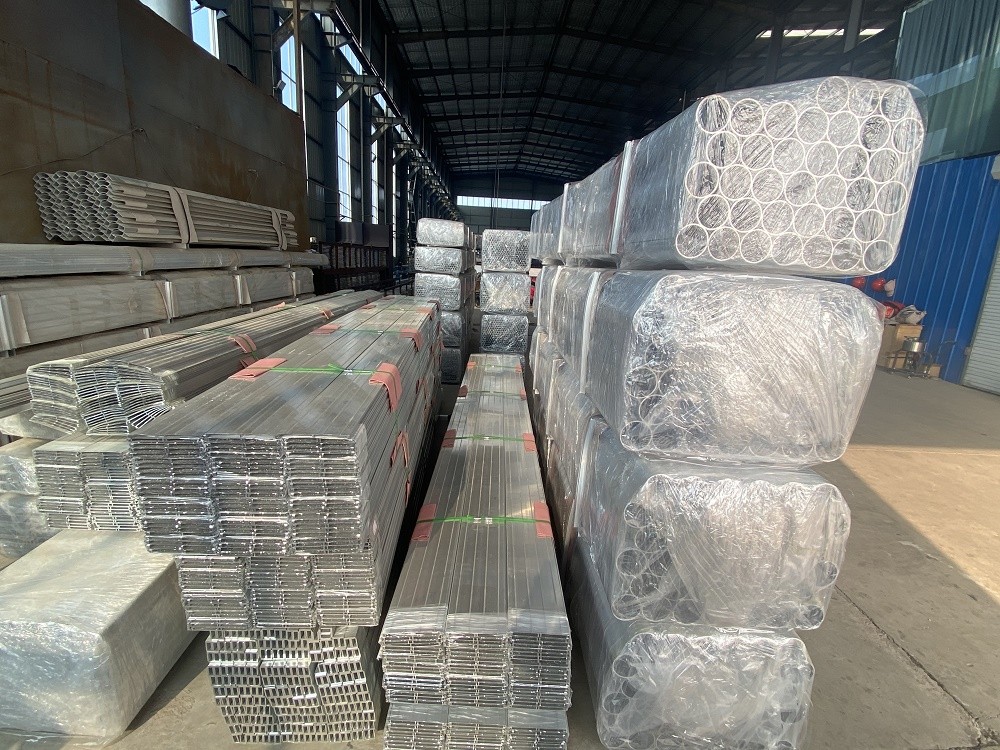
A large workshop does not automatically mean a stronger process. More useful signs are smelting and casting control, precision extrusion, secondary machining, and full-process quality inspection.
Shandong Jinhao Aluminum is a good example of this broader capability model. Its focus on compliant operation, standardized process control, and after-sales support reflects what many projects actually need from a Chinese aluminum busbar factory.
Where do customization and related products become important?
This usually appears when the busbar must match special connectors, compact layouts, or mixed structural parts. In those cases, a supplier with broader aluminum processing experience often responds faster and with fewer revisions.
For example, projects that also require round stock for machining or support parts may benefit from access to Aluminum rod. Its light weight, corrosion resistance, and machinability fit fixtures, connectors, and custom assemblies around the main busbar system.
What are the most common evaluation mistakes?
The first mistake is comparing quotations without matching technical scope. A lower price can hide weaker alloy control, loose tolerances, or limited inspection coverage.
Another common issue is ignoring delivery coordination. Even a qualified Chinese aluminum busbar factory should be checked for logistics stability, response speed, and support when drawings or quantities change late.
- Confirm applicable standards before sampling.
- Review test records, not only declarations.
- Check whether customization affects lead time.
So what should the next step look like?
A sound review starts with drawings, alloy grade, conductivity targets, tolerances, and surface expectations. Then compare suppliers by process control, documentation quality, and problem-solving speed, not just by output capacity.
If a Chinese aluminum busbar factory can show stable raw materials, mature processing, and dependable service across customization and delivery, the evaluation becomes much clearer and far less risky.
Navigation
Send Us A Message
Professional field of aluminum bars
24/7 before-sales and after-sales services
Comprehensive technical support