
How to Source Aluminum Rod in 2026
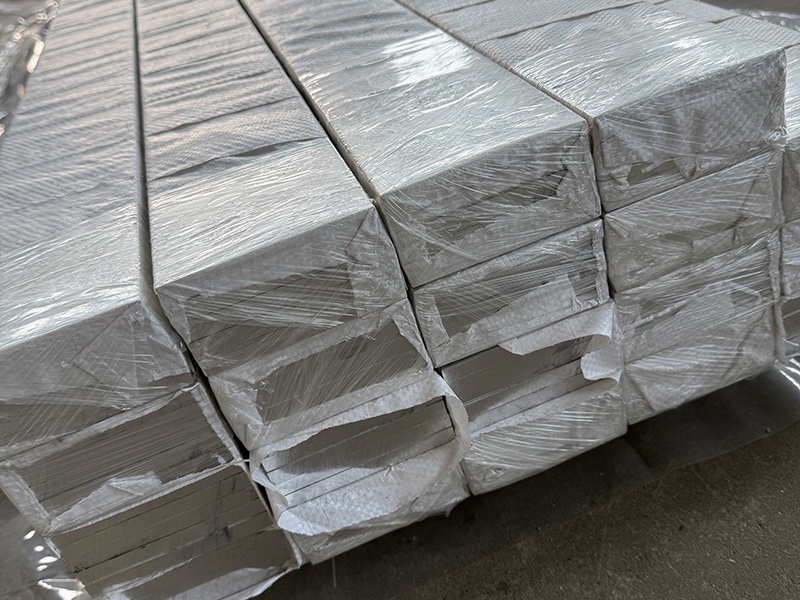
Sourcing the right aluminum rod in 2026 requires more than comparing quotations. For buyers, engineers, quality teams, distributors, and project managers, the real challenge is finding a supplier that can deliver the correct alloy, stable dimensions, consistent mechanical performance, reliable documentation, and on-time supply at scale. The best sourcing decision is usually not the lowest initial price, but the one that reduces quality disputes, production interruptions, and long-term procurement risk.
In practice, most aluminum rod sourcing failures come from a few predictable issues: unclear grade specifications, inconsistent processing quality, weak traceability, limited customization ability, and unstable lead times. If you want to source aluminum rod efficiently in 2026, you need a structured evaluation process that combines technical review, supplier verification, commercial comparison, and quality control planning.
What buyers are really looking for when sourcing aluminum rod in 2026
User intent behind this topic is highly practical. Most readers are not looking for a generic definition of aluminum rod. They want to know how to identify a dependable supplier, what technical details matter before ordering, how to avoid supply and quality problems, and how to balance price with performance.
Different stakeholders focus on different concerns:
- Procurement teams want stable pricing, reliable delivery, flexible MOQ, and clear contract terms.
- Engineers and technical evaluators want the correct alloy, tolerances, surface quality, machinability, strength, and corrosion resistance.
- Quality and safety personnel want inspection standards, compliance records, batch traceability, and test reports.
- Project managers want supply continuity and low risk of delay.
- Distributors and commercial decision-makers want consistent product quality, customization support, and a supplier that can support long-term market development.
This means a useful sourcing guide must go beyond “find a cheap manufacturer” and focus on supplier capability, material consistency, process control, and total procurement value.
Start with the right specification, not the supplier list
Before comparing factories or trading companies, define exactly what kind of aluminum rod you need. Many sourcing mistakes happen because buyers request “aluminum rod” without enough technical detail, forcing suppliers to quote against assumptions.
Your sourcing specification should include:
- Alloy grade
- Temper or heat treatment condition
- Diameter range and length
- Dimensional tolerance requirements
- Mechanical property targets
- Surface finish expectations
- End-use application
- Machining, extrusion, forging, welding, or further processing needs
- Required standards and inspection documentation
- Packaging and logistics requirements
For example, a rod used in automated production equipment may prioritize dimensional consistency and machinability, while a rod used in transport or energy applications may require tighter strength and corrosion-resistance control. If the final application is not communicated clearly, the supplier may provide a product that is technically acceptable on paper but unsuitable in actual use.
How to evaluate an aluminum rod supplier beyond price
In 2026, the strongest suppliers will be those that combine raw material control, process stability, customization ability, and responsive service. Price still matters, but it should be evaluated together with capability and risk.
When screening suppliers, review the following areas:
1. Production capability
Check whether the supplier has integrated or well-controlled production processes such as smelting, casting, extrusion, precision cutting, finishing, and inspection. A supplier with stronger process control is usually better positioned to maintain consistency across batches.
2. Alloy and size range
Confirm whether the supplier can provide the alloy grades, rod diameters, and custom lengths you need now and in future projects. This is especially important for OEM buyers and distributors who may later need broader specification coverage.
3. Quality management system
Ask about incoming raw material checks, in-process inspection points, finished product testing, and nonconformance handling. A qualified manufacturer should be able to explain how it controls dimensional variation, surface defects, and mechanical property consistency.
4. Customization support
Many industrial users do not buy standard materials alone. They need rods adapted for secondary processing, custom lengths, special tolerances, or coordinated supply with related aluminum products. Suppliers with engineering support and custom manufacturing capacity often create better long-term value than low-cost standard sellers.
5. Delivery reliability
Lead time is often a hidden cost driver. Delayed material can stop machining, assembly, or installation work. Ask how the supplier manages production scheduling, raw material availability, and export logistics.
6. Communication and after-sales service
A supplier becomes much more valuable when it can answer technical questions quickly, support model selection, and respond clearly to quality issues. In cross-border sourcing, communication efficiency directly affects purchasing risk.
For buyers evaluating industrial aluminum product partners, it can also be useful to review broader supply capability in profiles, bars, rods, and custom processing. In some cases, companies that offer one-stop sourcing support can reduce vendor management complexity. If you are reviewing supply channels, you may come across references such as 无 during your market comparison process.
Key technical checks before placing an order
Technical review is where many sourcing decisions are won or lost. Even experienced buyers should avoid approving a quotation before clarifying the following details.
Alloy grade suitability
Different aluminum alloys offer different strength, corrosion resistance, conductivity, and fabrication performance. The “best” alloy depends entirely on the application. Always confirm that the quoted material matches your operating environment and downstream process.
Dimensional accuracy
If the aluminum rod will be machined, assembled with precision parts, or fed into automated equipment, tolerance control is critical. Poor diameter consistency can increase scrap rate, processing time, and equipment wear.
Mechanical properties
Yield strength, tensile strength, elongation, and hardness may all matter depending on the application. Ask for test data where needed, especially for load-bearing or safety-related uses.
Surface quality
Surface defects such as scratches, cracks, oxide irregularities, or contamination can affect appearance, machining, coating, or final product performance. Define acceptable quality levels in advance.
Straightness and internal soundness
For some engineering uses, straightness and internal structural integrity are as important as external dimensions. If the rod is intended for machining or structural applications, these checks should not be overlooked.
Documented compliance
Request mill test reports, inspection records, and any required compliance documentation before mass ordering. For regulated or quality-sensitive industries, this is essential.
How to reduce procurement risk in international aluminum rod sourcing
Global sourcing offers cost and supply advantages, but it also introduces risks related to communication, lead time, standard interpretation, and quality claims. A simple risk-control framework can help prevent expensive mistakes.
Use a sample-first approach
Before committing to volume orders, request samples or a trial batch. This allows your engineering, machining, and quality teams to verify real-world performance.
Create a written quality agreement
Do not rely only on drawings and quotations. Define alloy, dimensions, tolerances, surface standards, inspection method, packaging, labeling, and complaint handling in writing.
Verify traceability
Each batch should be traceable to production and inspection records. This helps resolve quality issues faster and supports internal quality systems.
Check export and logistics readiness
Even a good manufacturer can become a weak supplier if export packaging, shipping coordination, or delivery scheduling is poorly managed. Confirm how goods are packed, protected, labeled, and shipped.
Compare total cost, not unit price only
The cheapest quotation may become the most expensive if it results in rework, downtime, delayed installation, or customer complaints. Include testing, freight, defect risk, and inventory impact in your cost evaluation.
What makes a supplier suitable for long-term cooperation
If your business needs recurring supply, project support, or broad industrial aluminum solutions, look beyond the first purchase. A strong long-term partner usually shows several characteristics:
- Stable product quality across repeated batches
- Clear and timely technical communication
- Ability to handle customized specifications
- Consistent compliance with industry standards
- Efficient response to quality or delivery issues
- Capacity to support changing project requirements
Manufacturers with integrated R&D, production, sales, and after-sales service can be especially valuable in this context. Companies with strong raw material selection, standardized process control, precision extrusion, smelting and casting capability, and full inspection systems are generally better positioned to serve industrial buyers who need both performance and reliability. This matters even more in sectors such as machinery, automation, rail transit, electronics, and new energy, where product consistency and custom support directly affect downstream operations.
A practical supplier checklist for 2026 buyers
Use the checklist below before final supplier approval:
- Is the alloy grade clearly confirmed for your application?
- Are dimensions, tolerances, and lengths fully defined?
- Can the supplier provide required test reports and inspection data?
- Does the manufacturer have stable production and quality control processes?
- Has a sample or trial order been verified internally?
- Are packaging, labeling, and shipping conditions documented?
- Is the lead time realistic and contractually agreed?
- Can the supplier support future customization or volume expansion?
- Is there a clear process for after-sales response and quality claims?
If the answer to several of these questions is unclear, the sourcing process is not ready yet.
Final thoughts
To source aluminum rod successfully in 2026, the smartest approach is to treat procurement as a technical and operational decision, not just a price comparison exercise. The right supplier should match your alloy and dimensional requirements, maintain stable production quality, provide clear inspection and compliance support, and deliver reliably over time.
For procurement teams, engineers, quality managers, and distributors, the real value lies in reducing uncertainty. A dependable aluminum rod source helps protect production schedules, product quality, and customer satisfaction. When evaluating options, prioritize specification clarity, process capability, documentation, and service responsiveness. Those factors are what turn a simple material purchase into a stable supply advantage.
Navigation
Send Us A Message
Professional field of aluminum bars
24/7 before-sales and after-sales services
Comprehensive technical support