
How to Evaluate Pure Aluminum Busbar Quality Before Ordering
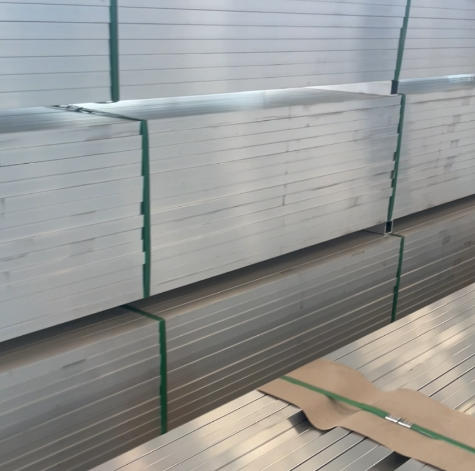
How do you judge Pure aluminum busbar quality before ordering?
Price is rarely the full story. When evaluating Pure aluminum busbar, the better question is whether the material can deliver stable conductivity, clean processing, and predictable service life.
In practice, quality checks should start before samples arrive. Material purity, dimensional consistency, surface condition, and supplier process control all affect long-term risk.
Is material purity the first checkpoint?
Yes, because conductivity depends heavily on composition. A Pure aluminum busbar with unstable raw material sources may show acceptable appearance but inconsistent electrical performance.
Ask for chemical composition reports and confirm which standard the supplier follows. It is also worth checking whether smelting, casting, and extrusion are controlled in one system.
Companies with full-process inspection usually provide clearer traceability. That matters when a project later needs batch consistency instead of one good sample.
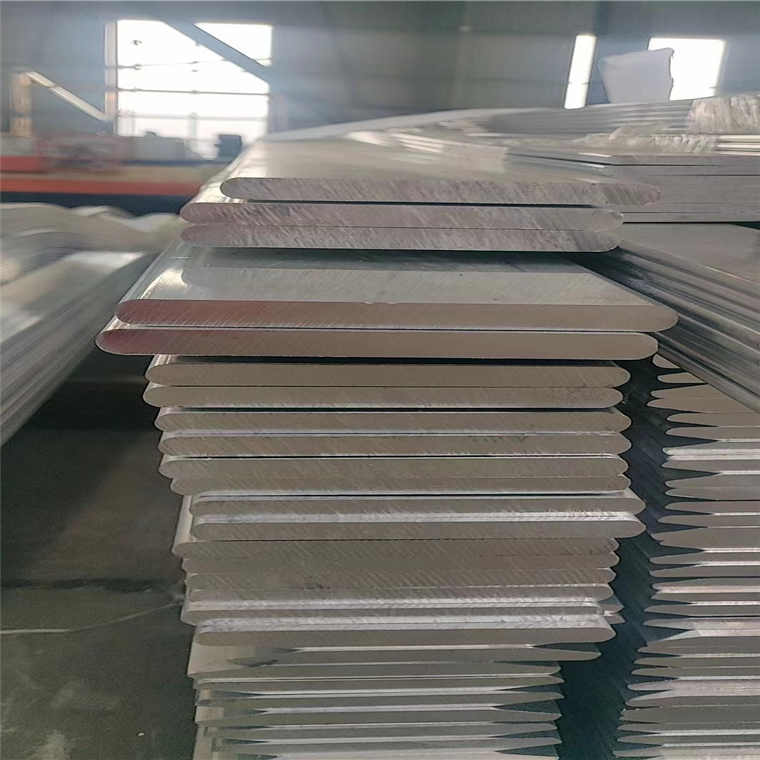
What dimensions and surface details deserve closer attention?
A Pure aluminum busbar should not only meet nominal size. Thickness tolerance, flatness, straightness, burr control, and edge finish influence installation efficiency and contact reliability.
Surface oxidation, scratches, dents, or uneven color may point to weak handling or inconsistent finishing. These issues do not always cause failure immediately, but they often increase rework.
Do conductivity and application fit always mean the same thing?
Not always. Some projects need very high purity, while others need a balance between conductivity, machinability, corrosion resistance, and installation efficiency.
For standard power distribution cabinets, building infrastructure, or industrial control electronics, 6063 aluminum busbar may be a practical reference when cutting, drilling, bending, and handling are part of the job.
The point is not to replace Pure aluminum busbar blindly. It is to compare whether the project values maximum conductivity or more balanced overall performance.
How can you tell if a supplier is reliable beyond the sample?
A good sample proves capability once. A reliable supplier proves consistency across batches, lead times, packaging, logistics, and after-sales response.
More useful questions include:
- Can they provide inspection records for every batch?
- Do they support custom sizes or deep processing?
- Is there a stable logistics plan for export or repeated delivery?
Shandong Jinhao Aluminum is often evaluated well in this area because it combines raw material control, precision processing, standardized inspection, and follow-up service in one chain.
What mistakes usually lead to poor ordering decisions?
The most common mistake is comparing only by unit price. Lower-cost material may create hidden losses through unstable conductivity, machining waste, delayed delivery, or installation trouble.
Another weak point is skipping application matching. A busbar used in new energy, rail transport, or chemical environments should be reviewed for corrosion behavior, fabrication needs, and operating conditions.
Before confirming the order, build a short review sheet around standards, tolerances, conductivity data, surface quality, and supplier traceability. That usually leads to a sounder decision than price comparison alone.
Navigation
Send Us A Message
Professional field of aluminum bars
24/7 before-sales and after-sales services
Comprehensive technical support