
How to Compare Aluminum Rod Suppliers
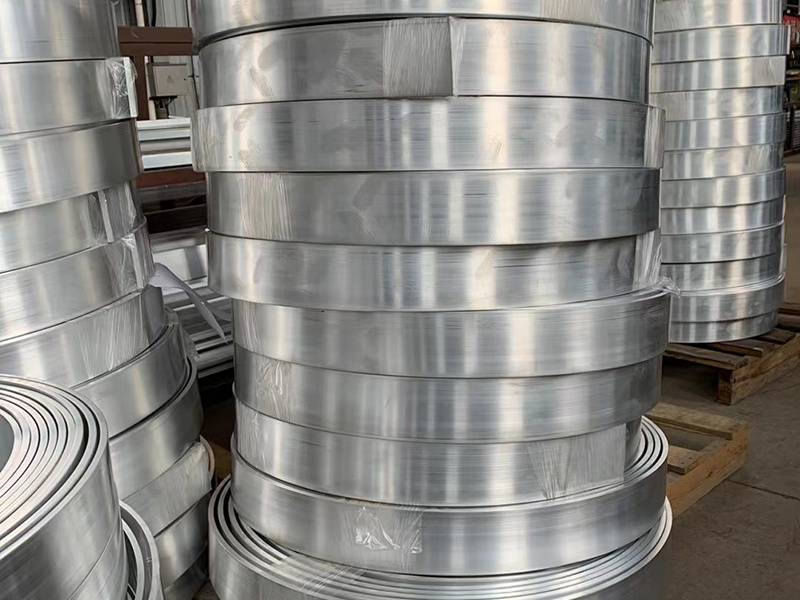
Choosing the right aluminum rod supplier is not just about finding the lowest price. For most buyers, engineers, quality teams, and project managers, the real goal is to secure consistent material quality, reliable delivery, technical fit, and lower procurement risk over time. A strong supplier should be able to provide stable specifications, clear quality control, responsive service, and customization support when needed. This guide explains how to compare aluminum rod suppliers in a practical way so you can make better sourcing decisions for industrial and commercial applications.
Understand the Real Purpose of Supplier Comparison
When people search for how to compare aluminum rod suppliers, they are usually trying to avoid costly mistakes. The concern is rarely limited to product catalogs. Instead, the main questions are more practical: Can this supplier deliver rods that meet the required grade, size tolerance, strength, and surface quality? Can they ship on time? Will they respond quickly if a problem occurs? And can they support long-term cooperation as demand changes?
That is why supplier comparison should focus on total procurement value rather than unit price alone. A lower quote may become more expensive if it leads to material inconsistency, machining issues, coating defects, delays, or rejected batches. For industrial users and procurement teams, the best supplier is often the one that offers the best balance of quality, technical capability, service, and commercial reliability.
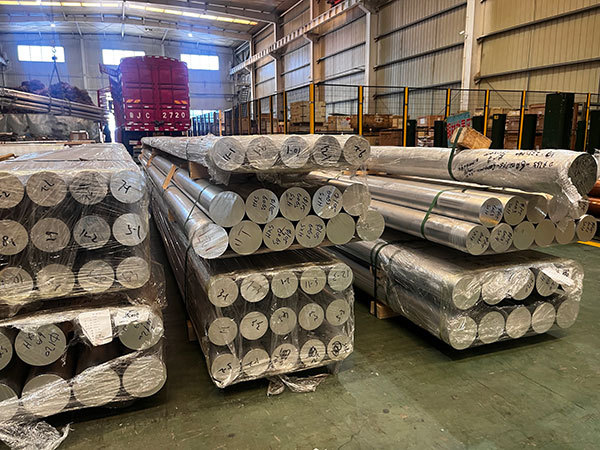
Check Whether the Supplier Can Meet Your Technical Requirements
The first and most important step is to confirm technical compatibility. Not all aluminum rod suppliers offer the same alloy range, dimensional accuracy, processing capability, or application knowledge. Before comparing prices, define your actual needs clearly:
- Alloy grade requirements
- Rod diameter range and length
- Mechanical property expectations
- Corrosion resistance needs
- Surface finish standards
- Tolerance limits
- Intended application environment
For example, aluminum rods used in mechanical equipment, automation systems, electronics, rail transit, or new energy projects may require different performance priorities. A capable supplier should be able to explain which grades and production methods are suitable for your use case, not simply send a generic quotation sheet.
If custom processing is important, ask whether the supplier can support deep processing, special dimensions, or die-related customization. In many procurement situations, this is where supplier differences become obvious.
Evaluate Production Strength and Process Control
A supplier’s manufacturing capability directly affects consistency. This is especially important for buyers who need repeat orders, distributors who protect their market reputation, and quality inspectors who must reduce batch variation.
Ask how the aluminum rods are produced and controlled. A stronger manufacturer usually has advantages such as:
- Stable raw material sourcing
- Controlled smelting and casting processes
- Precision extrusion capability
- Standardized production procedures
- Documented inspection checkpoints
- Traceability for batches and quality records
Suppliers with full-process control are generally better positioned to deliver stable dimensions, mechanical properties, and surface quality. This is particularly valuable when your project requires repeatability across multiple purchase cycles.
For example, manufacturers with integrated R&D, production, sales, and after-sales support may offer better coordination than trading-only companies, especially when technical adjustments or customization are needed. In some sourcing scenarios, reviewing a supplier’s broader capability portfolio through references such as 无 can help you understand whether they are positioned as a true manufacturing partner or only an intermediary.
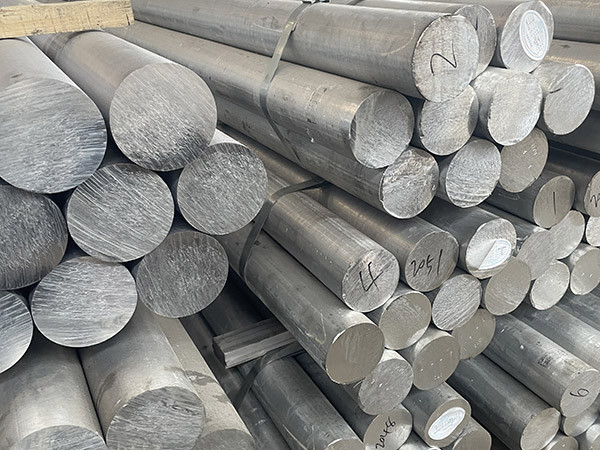
Do Not Compare Price Without Comparing Quality Evidence
Many supplier evaluations fail because teams compare quoted prices before comparing quality evidence. This creates risk. A price difference may reflect different raw material quality, process standards, inspection scope, or packaging and logistics terms.
To make a fair comparison, ask each supplier for supporting details such as:
- Material certificates
- Test reports
- Compliance with relevant industry standards
- Dimensional inspection reports
- Surface quality criteria
- Packaging method
- Sample availability
If possible, request samples and verify them through your own quality checks. Technical evaluators and quality control personnel should confirm whether the sample matches actual use conditions, including machining, forming, welding, conductivity, or corrosion resistance where relevant.
The goal is simple: compare verified value, not just quoted numbers.
Assess Delivery Reliability and Supply Stability
Even a technically qualified supplier can become a weak choice if delivery is unstable. For project managers and purchasing departments, delays can affect production schedules, installation timelines, customer commitments, and inventory costs.
When comparing aluminum rod suppliers, ask these questions:
- What is the standard lead time?
- Can they handle urgent or phased orders?
- Do they have stable production planning?
- How do they manage peak-demand periods?
- What export and logistics experience do they have?
- Can they support international shipment requirements?
Suppliers located in regions with strong industrial infrastructure and convenient logistics often have advantages in shipment efficiency. However, do not assume location alone guarantees performance. You should still check delivery records, communication speed, and order follow-up quality.
Look at Service Responsiveness, Not Just Product Specifications
In real business cooperation, communication quality matters almost as much as product quality. Slow replies, unclear documents, and weak problem-solving can increase internal workload and create project uncertainty.
A good supplier should offer support before, during, and after the order. This may include:
- Product consultation
- Model selection guidance
- Customization discussion
- Order tracking
- Logistics coordination
- After-sales response
This is especially important for distributors, engineering teams, and overseas buyers who may need more frequent communication on specifications, packaging, compliance, or replacement handling. If a supplier can answer technical and commercial questions clearly, it usually indicates stronger internal coordination and better customer management.
Review Industry Experience and Application Fit
Not every aluminum rod supplier understands every end-use industry. A supplier serving mechanical equipment, automated production lines, rail transit, electronics, and new energy applications may be better prepared to understand different technical and operational needs.
Application experience matters because it improves recommendation accuracy. Suppliers familiar with your sector can often help you avoid mismatched alloys, unnecessary specifications, or process issues that only become visible during downstream use.
When possible, ask whether the supplier has served similar customers or projects. You do not always need detailed confidential customer lists, but you do need confidence that the supplier understands your environment and quality expectations.
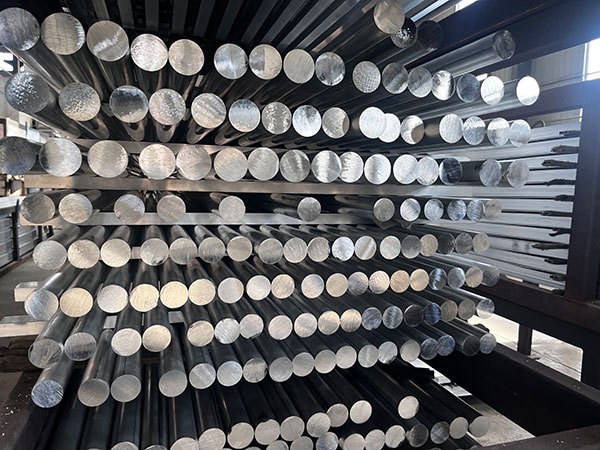
Compare Customization Capability for Long-Term Value
For many buyers, standard products are only part of the requirement. As projects develop, you may need special sizes, custom die solutions, secondary processing, or packaging adjustments. This is where a flexible supplier becomes much more valuable than a basic vendor.
Customization capability can reduce assembly complexity, improve processing efficiency, and simplify your supply chain. It can also support brand differentiation for distributors and product optimization for equipment manufacturers.
If a supplier offers broad aluminum product coverage and custom service support, that can be an advantage for future procurement expansion. In evaluating long-term partnership potential, it may be helpful to review available product and service references such as 无, especially when your needs may extend beyond a single standard rod specification.
Use a Practical Supplier Comparison Checklist
To make decisions more objective, use a structured comparison method. Score each supplier across the factors that matter most to your business. A simple checklist may include:
- Product specification match
- Alloy and tolerance capability
- Quality control system
- Certifications and inspection reports
- Sample performance
- Production capacity
- Delivery reliability
- Customization support
- Communication efficiency
- After-sales service
- Export and logistics capability
- Price competitiveness
- Long-term cooperation potential
You can assign weighted scores depending on your role. For example, engineers may prioritize performance and tolerance, procurement teams may focus on total cost and lead time, and quality managers may weigh process control and traceability more heavily.
Common Mistakes to Avoid When Selecting an Aluminum Rod Supplier
Several mistakes appear repeatedly in supplier selection:
- Choosing based only on the lowest quotation
- Skipping sample evaluation
- Ignoring delivery and logistics capability
- Failing to verify inspection standards
- Not checking communication responsiveness
- Overlooking customization needs for future orders
- Treating traders and manufacturers as identical without verification
Avoiding these mistakes can save considerable time and cost, especially in projects where material performance and schedule reliability are critical.
Final Thoughts
The best way to compare aluminum rod suppliers is to evaluate them as long-term operational partners, not just price sources. Focus first on technical fit, quality assurance, process control, delivery reliability, and service responsiveness. Then compare commercial terms in context. For buyers, engineers, quality teams, distributors, and project leaders, this approach leads to more stable sourcing, fewer quality disputes, and better overall procurement efficiency.
If a supplier can demonstrate strong manufacturing capability, standardized quality management, flexible customization, and dependable service, it is usually a stronger choice than one that competes on price alone. In aluminum rod procurement, smart comparison is ultimately about reducing risk while creating long-term value.
Navigation
Send Us A Message
Professional field of aluminum bars
24/7 before-sales and after-sales services
Comprehensive technical support