
How to Choose the Right Aluminum Rod
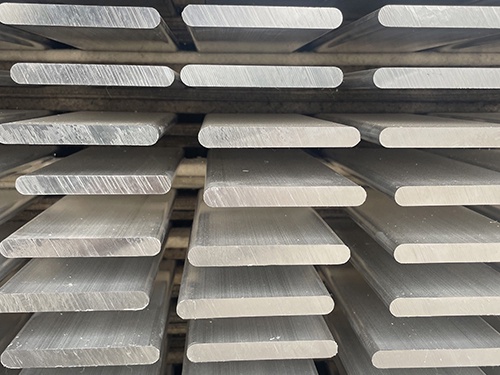
Choosing the right Aluminum row is essential for ensuring strength, durability, and performance in industrial and commercial applications. Whether you are evaluating material specifications, comparing suppliers, or planning a new project, understanding key selection factors can help reduce costs and improve efficiency. This guide will walk you through the main points to consider when selecting an aluminum rod that matches your technical and business needs.
For engineers, buyers, quality inspectors, distributors, and project managers, aluminum rod selection is rarely only about price. The right choice affects machining stability, load performance, corrosion behavior, delivery risk, and long-term maintenance cost. A rod that looks acceptable on paper may still cause rework, poor fit, or shorter service life if the alloy, diameter tolerance, temper, or surface condition does not match the application.
In the aluminum industry, the most practical selection process combines technical review with supply capability assessment. Companies such as Shandong Jinhao Aluminum Co., Ltd., with experience in aluminum profiles, bars, rods, and deep-processing solutions, highlight how full-process control, standardized inspection, and responsive service can support both routine purchasing and customized industrial demand.
Understand the Core Requirements Before You Compare Aluminum Rod Options
The first step in choosing an aluminum rod is to define the working conditions. In most industrial projects, this means clarifying at least 4 points: load requirement, corrosion environment, machining method, and dimensional accuracy. A rod used in automated equipment frames has different expectations from one used in electrical parts, transport components, or general fabrication.
Users and technical evaluators should also confirm whether the rod will be machined, bent, welded, cut, or anodized after purchase. These downstream processes can change the ideal alloy and temper. For example, a rod selected for CNC machining may prioritize consistency and dimensional stability, while a rod for structural support may emphasize higher strength and tighter straightness control.
Procurement teams often make the mistake of requesting only diameter and length. In reality, an effective inquiry should include alloy series, temper, tolerance range, surface requirement, quantity, and expected delivery cycle. Even a difference of ±0.1 mm or ±0.3 mm can affect assembly fit in precision applications.
Key questions to define before selection
- What mechanical performance is required: light-duty, medium-duty, or high-strength service?
- Will the rod operate indoors, outdoors, in humid areas, or in chemically aggressive environments?
- Is the rod for direct use, or will it undergo cutting, drilling, turning, welding, or surface finishing?
- What is the acceptable tolerance for diameter, straightness, and length, such as ±0.2 mm, ±0.5 mm, or tighter?
- Is the order a one-time batch, a 3–6 month rolling demand, or a long-term supply program?
Typical requirement mapping by use case
When the intended application is clearly defined, the screening process becomes faster and more reliable. A project manager can avoid over-specification, while a buyer can reduce the risk of selecting a rod that is inexpensive upfront but costly in operation.
The table below shows how common application priorities influence aluminum rod selection criteria.
This comparison shows that there is no universal “best” aluminum rod. The right product is the one that fits the actual load, process, and commercial constraints of the project. That is why early requirement definition can reduce re-selection cycles by 1–2 rounds and improve sourcing efficiency.
Choose the Right Alloy, Temper, and Dimensions
Alloy selection is one of the most important technical decisions. In the aluminum market, different alloy series offer different balances of strength, corrosion resistance, weldability, and machinability. While the final choice depends on the end use, buyers commonly compare 1xxx, 5xxx, 6xxx, and 7xxx series depending on performance targets and budget.
For many industrial aluminum rod applications, 6xxx series materials are widely considered practical because they provide a good combination of moderate-to-high strength, corrosion resistance, and extrusion suitability. If the part must withstand a more demanding structural load, a higher-strength option may be reviewed, but engineers should also consider processing difficulty and cost increase.
Temper is equally important. A difference between softer and harder conditions can affect formability, machining behavior, and final performance. If a rod must be bent or further formed, an overly hard temper may create unnecessary cracking risk. If it must hold dimensional accuracy under working load, a stronger temper may be preferred.
What dimensions matter most
Diameter is the most visible parameter, but not the only one. In many purchasing cases, the complete dimensional checklist includes diameter, length, straightness, roundness, and cutting tolerance. For custom projects, the requested length may range from 500 mm to 6000 mm, while standard stock programs may support faster dispatch for common sizes.
A small tolerance deviation can create large costs during assembly. If the rod enters bearings, sleeves, or machined housings, even a minor mismatch may lead to vibration, friction, or scrap. Quality and safety teams should therefore review tolerance requirements before approval rather than after delivery.
The following table offers a practical overview of common selection logic for alloy and temper discussion.
For companies seeking stable industrial supply, it is often beneficial to work with manufacturers that can support both standard aluminum rods and customized deep-processing needs. In some sourcing pages or inquiry workflows, product references may appear as 无, but the real evaluation should still focus on actual specification fit, inspection discipline, and delivery reliability.
Evaluate Surface Quality, Process Quality, and Inspection Standards
A suitable aluminum rod must not only meet nominal dimensions but also maintain stable process quality. For operators and quality control staff, inspection should cover appearance, tolerance, internal consistency, and packaging condition. Surface defects such as deep scratches, dents, oxidation marks, or contamination may reduce processing efficiency and may also affect finishing quality.
In many projects, quality issues do not come from the alloy itself but from inconsistent production control. Reliable suppliers typically manage raw material input, smelting and casting stability, extrusion accuracy, cutting precision, and final inspection as a connected process. This full-chain discipline is especially important when batch-to-batch consistency matters over 3 months, 6 months, or longer contracts.
Technical and purchasing teams should ask how the supplier handles inspection records, traceability, and nonconforming material. A clear quality system reduces risk during incoming inspection and can shorten internal approval time by several working days.
Practical inspection checklist
- Check diameter, length, and straightness against order requirements and confirm whether tolerance is within the agreed range.
- Review surface condition under adequate light to identify scratches, pits, deformation, or oxidation patches.
- Confirm batch identification and production traceability for repeated orders or regulated industrial projects.
- Verify packaging protection, especially for long-distance transport where impact and moisture can damage the rod surface.
- Request material and inspection documentation when the project requires a more formal quality review process.
How standardized control supports purchasing confidence
Manufacturers with standardized control from raw materials to finished goods generally provide more predictable results. Shandong Jinhao Aluminum Co., Ltd. emphasizes premium raw materials, precision extrusion, smelting and casting, and full-process standardized control. For B2B buyers, this kind of production logic matters because it improves the likelihood of receiving aluminum rod products that match specification, application, and follow-up processing needs.
This is also where supplier capability becomes a practical business issue rather than a branding statement. If quality inspection is comprehensive and after-sales response is organized, distributors, project managers, and end users can reduce hidden costs such as replacement delay, workshop interruption, and repeated communication.
Compare Suppliers by Delivery Capability, Customization, and Service Support
Selecting the right aluminum rod supplier is as important as selecting the rod itself. A technically acceptable product may still fail the project if the supplier cannot support stable lead times, custom cutting, ongoing replenishment, or problem resolution. For business evaluators and procurement managers, supplier assessment should combine product quality with operational response capability.
A practical comparison often includes 5 dimensions: manufacturing capability, specification coverage, customization support, logistics efficiency, and after-sales responsiveness. For example, if your project needs multiple diameters delivered in staged batches over 2–4 weeks, the supplier’s planning flexibility becomes a critical advantage.
Enterprises with integrated R&D, production, sales, and after-sales functions are often better positioned to manage custom industrial requests. This is especially relevant for customers in machinery, automation lines, rail transit, electronic appliances, and new energy sectors, where application needs can shift from standard purchase to semi-custom or fully customized procurement.
Supplier comparison points that matter in real projects
The table below can be used by purchasing, engineering, and project teams as a simple supplier review tool during pre-qualification or quotation comparison.
A strong supplier relationship is not only about one order. It supports long-term consistency, easier model selection, and smoother replenishment planning. For distributors and agents, this also improves customer retention because product quality and service response remain stable across repeated transactions.
If you are reviewing potential sources, ask for a quotation structure that separates material, processing, tolerance requirement, and logistics. This makes cross-supplier comparison clearer and helps identify whether a lower price is based on reduced quality scope rather than better cost control.
Avoid Common Selection Mistakes and Build a Better Procurement Process
Many aluminum rod purchasing problems can be traced back to a few repeated mistakes. The first is choosing by price alone. A lower unit price may appear attractive, but if the rod has poor straightness, wider tolerance, or unstable batch quality, the total cost can rise through machining loss, delayed installation, or extra inspection work.
The second mistake is under-specifying the requirement. An order that only states “aluminum rod, 20 mm” leaves too much room for mismatch. Buyers should define diameter, alloy, temper, quantity, tolerance, surface expectation, and delivery format. In many factory environments, a more detailed RFQ can reduce clarification exchanges by 30% or more.
The third mistake is ignoring future service and replenishment. If a product will be used across multiple projects or maintenance cycles, it is important to confirm whether the supplier can maintain stable supply over time. This is especially important for equipment manufacturers and engineering contractors who need continuity over 6–12 months.
A 5-step buying process for better results
- Define application conditions, including load, environment, and downstream processing method.
- Confirm technical specification, including alloy, temper, size, tolerance, and surface requirement.
- Compare at least 2–3 qualified suppliers on quality control, delivery cycle, and service support.
- Review samples or inspection records when the project has tight tolerance or repeated-use demand.
- Establish incoming inspection and feedback rules before mass purchase or long-term cooperation.
FAQ: Questions buyers and engineers often ask
Below are common practical questions that can help refine aluminum rod selection and supplier communication.
How do I choose between standard and customized aluminum rod supply?
If your application uses common diameters, standard lengths, and moderate tolerance, standard supply is usually faster and simpler. If the rod requires custom cutting, special surface expectations, or integration with deep-processing steps, customized supply becomes more efficient despite a longer lead time, often by several days to 2 weeks.
What should quality teams inspect first after delivery?
Start with quantity, specification label, and visible surface condition. Then verify key dimensions such as diameter and length on sampled pieces. If the rod is for precision assembly, straightness and tolerance should be checked before warehouse acceptance to prevent internal process disruption.
Is one aluminum rod suitable for every industry?
No. A rod suitable for general fabrication may not meet the requirements of rail transit, automated production lines, or electronic applications. Industry use determines the needed balance between strength, corrosion resistance, dimensional precision, and supply reliability.
Choosing the right aluminum rod requires a balanced view of performance, process compatibility, quality stability, and supplier service. When alloy, temper, dimensions, inspection standards, and delivery capability are aligned with the application, buyers can reduce project risk and improve both operational efficiency and long-term value.
For customers looking for reliable aluminum alloy products, Shandong Jinhao Aluminum Co., Ltd. offers a broad product portfolio covering industrial aluminum profiles, aluminum bars, aluminum rods, and customized deep-processing support. With standardized quality control, practical model selection assistance, and one-stop service from consultation to logistics and after-sales, the company can support a wide range of industrial sourcing needs.
If you are planning a new project, evaluating suppliers, or refining your procurement standards, now is a good time to discuss your technical requirements in detail. Contact us today to get a customized solution, consult product details, and explore more efficient aluminum material options for your application.
Navigation
Send Us A Message
Professional field of aluminum bars
24/7 before-sales and after-sales services
Comprehensive technical support