
How to Choose a 6101 Aluminum Busbar: Conductivity, Strength, Size, and Temper
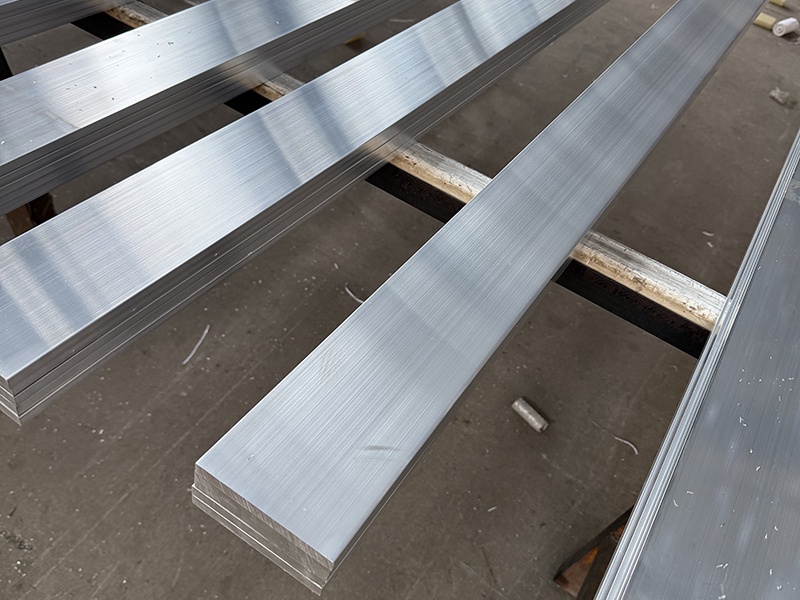
Start with the Real Job of a 6101 Aluminum Busbar
Choosing the right 6101 aluminum busbar is rarely about one number alone. Conductivity, strength, size, and temper all interact under real operating loads.
A solid selection process helps reduce voltage drop, avoid overheating, and keep installation practical. That matters in power distribution, rail transit, new energy, and industrial electronics.
For many projects, 6101 aluminum busbar is preferred because it balances electrical performance with lower weight and useful mechanical strength.

What to Check First
- Confirm continuous current, peak load, allowable temperature rise, and installation length first. These values set the baseline for sizing a 6101 aluminum busbar correctly.
- Check whether the bar also carries structural load or vibration. If yes, strength and temper become just as important as conductivity.
- Review joint count, bolt spacing, and surface contact quality. Connection losses often create more trouble than the busbar body itself.
- Match the environment early. Humidity, chemical exposure, and outdoor use affect corrosion allowances, coating decisions, and maintenance frequency.
Conductivity: Don’t Evaluate It in Isolation
The first question is usually conductivity, and that makes sense. A 6101 aluminum busbar is often selected for stable conductivity with a lower system weight than many alternatives.
Still, conductivity only helps when section size is adequate. A highly conductive bar that is too small can still run hot and waste energy.
Strength, Size, and Temper Need to Work Together
A common mistake is choosing thickness only by ampacity tables. In practice, width-to-thickness ratio, support spacing, and short-circuit forces can change the final decision.
Temper matters here. A harder temper may improve mechanical stability, but it can reduce forming flexibility during bending or assembly. That trade-off should be checked before drawings are frozen.
- Use wider sections when possible to improve heat dissipation and reduce resistance, but confirm enclosure space and joint design before finalizing dimensions.
- If repeated bending or complex fabrication is required, verify temper suitability early. A mismatch here can increase cracking risk or rework cost.
- For vibration-prone installations, review support intervals and fastening details. Mechanical stability often depends on system layout, not only material grade.
Different Applications Change the Priority
In new energy cabinets or industrial electronics, compact space usually pushes size optimization. Here, thermal performance and cabinet interconnection details deserve extra attention.
In rail transit or long busbar runs, lower weight and structural adaptability become more valuable. A 6101 aluminum busbar can support that balance well when supports and joints are engineered correctly.
For broader material comparison, some projects also review options from an Aluminum busbar manufacturer covering 1060 / 1070, 6063, and 6061-T6 for different current transmission and grounding structures.
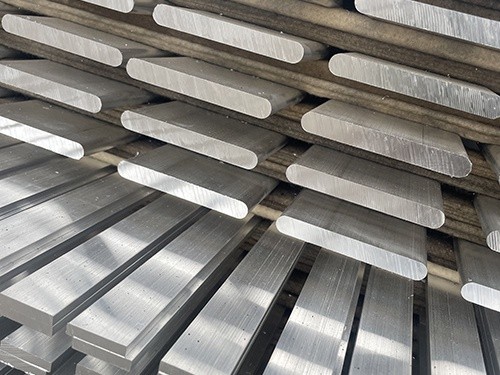
Don’t Overlook Process Control and Supplier Capability
Material consistency is just as important as nominal grade. Precision extrusion, smelting and casting control, and full inspection directly affect dimensional stability and long-term performance.
Shandong Jinhao Aluminum Co., Ltd. builds its aluminum alloy products around standardized process control, compliant production, and full-cycle service, from model selection to after-sales support.
That kind of support is useful when a 6101 aluminum busbar must be customized for busbar systems, equipment assembly, or demanding environments requiring corrosion resistance and good thermal conductivity.
A Simple Way to Finalize the Decision
Start with current, temperature rise, and installation space. Then verify mechanical loads, joint design, and temper-related fabrication limits.
If two options look similar, choose the one with clearer processing quality, better dimensional control, and more complete technical support. That usually reduces risk later.
In short, the best 6101 aluminum busbar is the one that fits the electrical load, survives the structure, and stays practical to manufacture and install. That is the decision path worth following.
Navigation
Send Us A Message
Professional field of aluminum bars
24/7 before-sales and after-sales services
Comprehensive technical support