
How to Choose 6063 Aluminum Busbar for Low-Voltage Systems
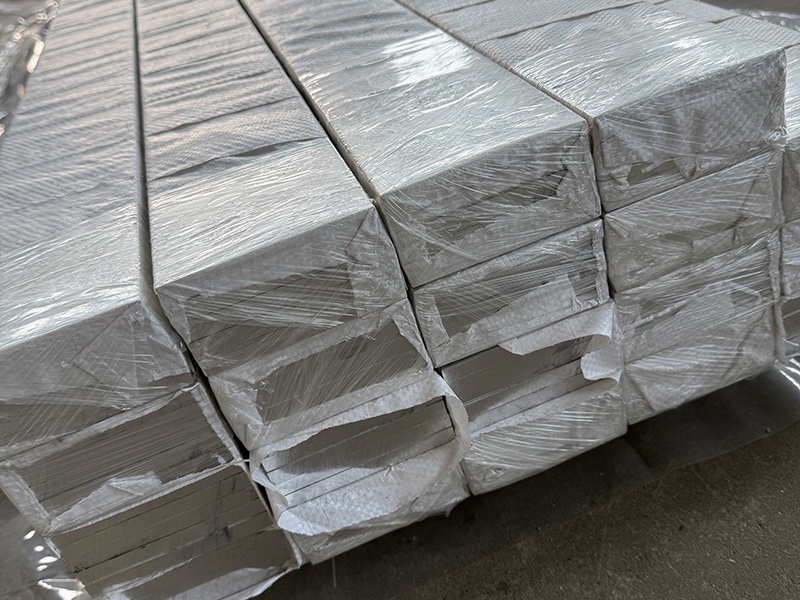
Choosing the right 6063 aluminum busbar for low-voltage systems is not only about price or availability. It comes down to conductivity, strength, corrosion behavior, and how easily the bar can be fabricated and installed.
For practical selection work, it helps to review the application first, then compare alloy condition, dimensions, surface quality, and supplier process control. A small mismatch here can create long-term thermal or assembly issues.
Start with the real operating conditions
Before comparing suppliers, define current load, ambient temperature, enclosure ventilation, and joint design. A 6063 aluminum busbar that works well in a cabinet may perform differently in humid or vibration-prone equipment.
- Check rated current, temperature rise limit, and short-term overload together. This avoids choosing a 6063 aluminum busbar only by section size while missing actual thermal performance.
- Confirm installation space, bend radius, and hole positions early. Good fit-up often matters as much as conductivity when the low-voltage system has compact layouts.
Review indoor, coastal, or chemical exposure conditions. In low-voltage systems, corrosion risk directly affects contact stability and long-term maintenance frequency.


Focus on alloy condition, dimensions, and surface
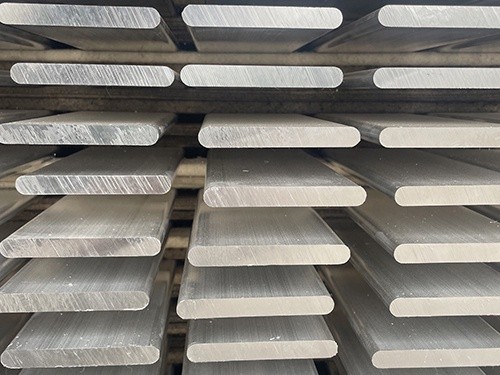
6063 is widely used because it balances formability, surface finish, and corrosion resistance. Still, not every 6063 aluminum busbar is equal. Temper, straightness, and edge quality all influence real installation results.
What deserves closer checking
- Verify temper and mechanical properties against forming needs. A harder condition may improve rigidity, but it can also increase cracking risk during bending or punching.
- Check thickness tolerance, width tolerance, and straightness. In busbar assemblies, small dimensional variation can create uneven contact pressure and unstable bolted joints.
- Inspect surface finish, burrs, and oxide consistency. Clean, uniform surfaces support better secondary processing, coating adhesion, and lower contact resistance after installation.
Match the busbar to fabrication and connection needs
This is where many decisions go wrong. A 6063 aluminum busbar may meet basic material data, yet still fail to support drilling, welding, machining, or plating requirements in actual production.
For switchgear and distribution cabinets, pay attention to contact areas and bolt interfaces. Uneven flatness or rough punching edges can increase resistance and local heating over time.
For new energy or automated equipment, lightweight design is valuable, but repeated vibration should also be considered. In that case, stable dimensions and reliable surface treatment become more important.
- Ask for samples that reflect final processing steps. Testing a raw bar alone may hide issues that appear after punching, bending, or joint preparation.
Confirm whether tin plating, anodizing, or custom machining is needed. Secondary processing often changes lead time, contact performance, and inspection priorities.

Do not overlook supplier control and traceability
A dependable 6063 aluminum busbar source should provide more than material. Process consistency, inspection records, and customization support are what reduce project risk.
Shandong Jinhao Aluminum Co., Ltd. combines aluminum alloy R&D, production, sales, and after-sales service. With precision extrusion, smelting and casting, standardized control, and full inspection, the company supports stable low-voltage material selection and customized processing needs.
- Request material certificates, dimensional reports, and inspection details by batch. Traceability makes later verification much easier if assembly or performance questions arise.
- Prefer suppliers with profile, bar, rod, and deep-processing capability. Integrated service improves response speed when specifications need adjustment during evaluation.
In short, selecting a 6063 aluminum busbar for low-voltage systems works best when electrical demand, fabrication method, environmental exposure, and supplier quality control are checked together. Start with a sample review, confirm tolerances and temper, then validate connection performance before final approval.
Navigation
Send Us A Message
Professional field of aluminum bars
24/7 before-sales and after-sales services
Comprehensive technical support