
Guinea Starts Bauxite Export Quotas on June 22
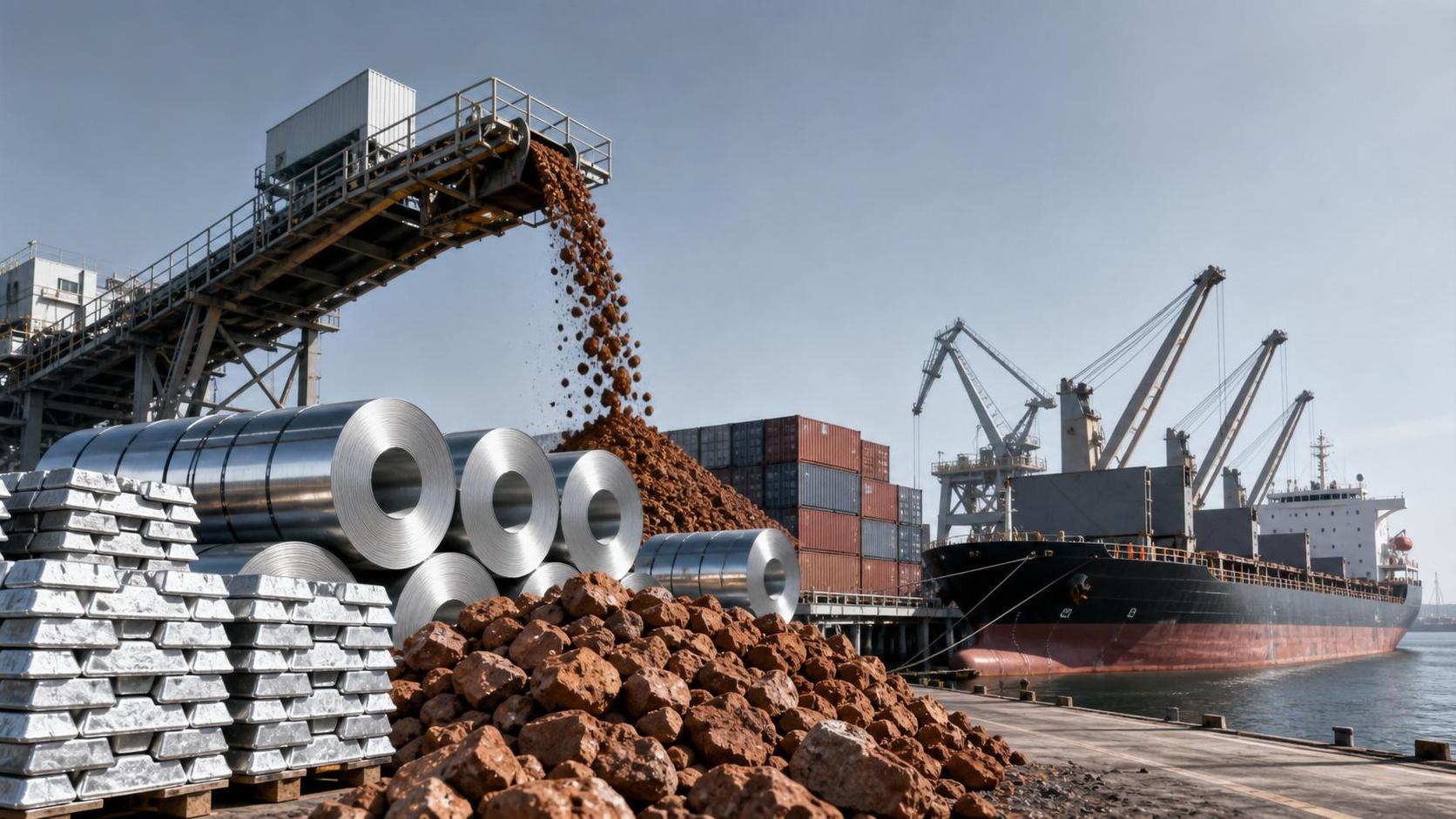
On June 22, 2026, Guinea formally began implementing bauxite export controls through an annual quota system, with the first round of quota applications opened to companies in key importing markets including China, the United States, and Europe. For the aluminum value chain, this is not just a policy update at the raw material end: it directly raises attention around bauxite supply rhythm, alumina production costs, and the potential repricing of aluminum and aluminum products over the next three to six months, especially for buyers managing long-term contracts and overseas procurement plans.
What Has Been Confirmed So Far
According to the provided information, the Guinean government officially put its bauxite export control policy into effect on June 22, 2026. The policy introduces an annual export quota mechanism for the first time, and the initial quota allocation has been opened for application by companies from major importing destinations such as China, the United States, and Europe.
The same information indicates that the measure is expected to tighten the pace of global bauxite supply. It also states that alumina production costs may rise by 5–8%, with the effect then passing through to primary aluminum and aluminum product pricing.
Where the Pressure May Appear Across the Chain
Raw material traders face a tighter supply rhythm
From an industry perspective, direct trading participants may be affected first because the policy changes the pace at which exportable bauxite reaches the market. What deserves closer attention is not only total access to material, but also whether quota allocation timing affects shipment planning, contract execution, and near-term purchasing arrangements.
Alumina buyers and producers need to watch cost transmission
Analysis shows that companies exposed to alumina costs are likely to focus on how a 5–8% increase in production cost could move through existing procurement and pricing structures. The key business impact may appear in raw material budgeting, offer validity periods, and the timing of purchase decisions tied to upstream cost assumptions.
Aluminum processors may see renewed quote adjustments
For processing and manufacturing businesses, the main issue is not the Guinean policy itself, but the likelihood that higher upstream costs will be reflected in primary aluminum and fabricated aluminum quotations. Observably, this puts more attention on margin management, order pricing windows, and whether customer quotations can remain fixed under changing input conditions.
Overseas buyers need to reassess contract mechanics
The provided information specifically points to possible repricing pressure on Chinese aluminum product offers in the next three to six months. For overseas procurement teams, the practical concern is whether long-term agreements still reflect realistic cost assumptions, especially where fixed-price mechanisms or delayed adjustment clauses are in place.
What Companies Should Track Now
Follow any further clarification on quota execution
Analysis shows that the policy signal and actual trade impact may not move at exactly the same speed. Companies should therefore continue watching for any further official wording or operational clarification related to how the export quota mechanism is applied in practice.
Review products and orders most exposed to alumina cost changes
What deserves closer attention is which product lines, customer segments, or regional orders are most sensitive to upstream raw material repricing. This is especially relevant for businesses with offers linked closely to alumina and primary aluminum input costs.
Recheck long-term pricing and cost-lock structures
For procurement and sales teams, the immediate practical issue is whether existing cost-lock arrangements remain workable under a possible upstream reset. Businesses involved in long-term negotiations may need to revisit price adjustment clauses, quotation validity, and internal approval assumptions.
Prepare for communication around delivery and quotation changes
Observably, if upstream supply rhythm tightens, the first business challenge may be communication rather than outright disruption. Suppliers, traders, and buyers may all need to align more carefully on delivery cycles, quotation revisions, supporting documents, and contract performance expectations.
Why This Looks Like More Than a One-Day Headline
Analysis shows that this development is best understood as an active market signal rather than a fully settled outcome. The confirmed fact is that Guinea has begun implementing export quotas; the broader industry question is how strongly and how quickly that mechanism reshapes supply timing and cost pass-through. For that reason, the development matters both as a short-term pricing factor and as a policy signal that the upstream bauxite trade environment may be entering a more managed phase.
How to Read the Current Signal
At this stage, it is more appropriate to understand the June 22 measure as a material upstream policy change with clear near-term cost implications, but with downstream effects that still require observation. The strongest immediate relevance is for bauxite trade, alumina cost management, aluminum quotation strategy, and long-term contract review. Rather than assuming a fixed market outcome, the industry should treat this as a development that warrants close tracking over the coming three to six months.
Basis of This Article
This article is based on the user-provided news title, event date, and event summary. For developments of this type, commonly relevant source categories may include official government announcements, company disclosures, industry association information, authoritative media reports, and related trade or standards documents. A specific official source link was not provided in the input, so further verification remains necessary. Continued attention should be paid to any follow-up official clarification, quota implementation details, and signs of cost transmission into alumina, primary aluminum, and aluminum product quotations.
Navigation
Send Us A Message
Professional field of aluminum bars
24/7 before-sales and after-sales services
Comprehensive technical support