
EU CBAM Transition Rule for Aluminum Takes Effect on Oct 1
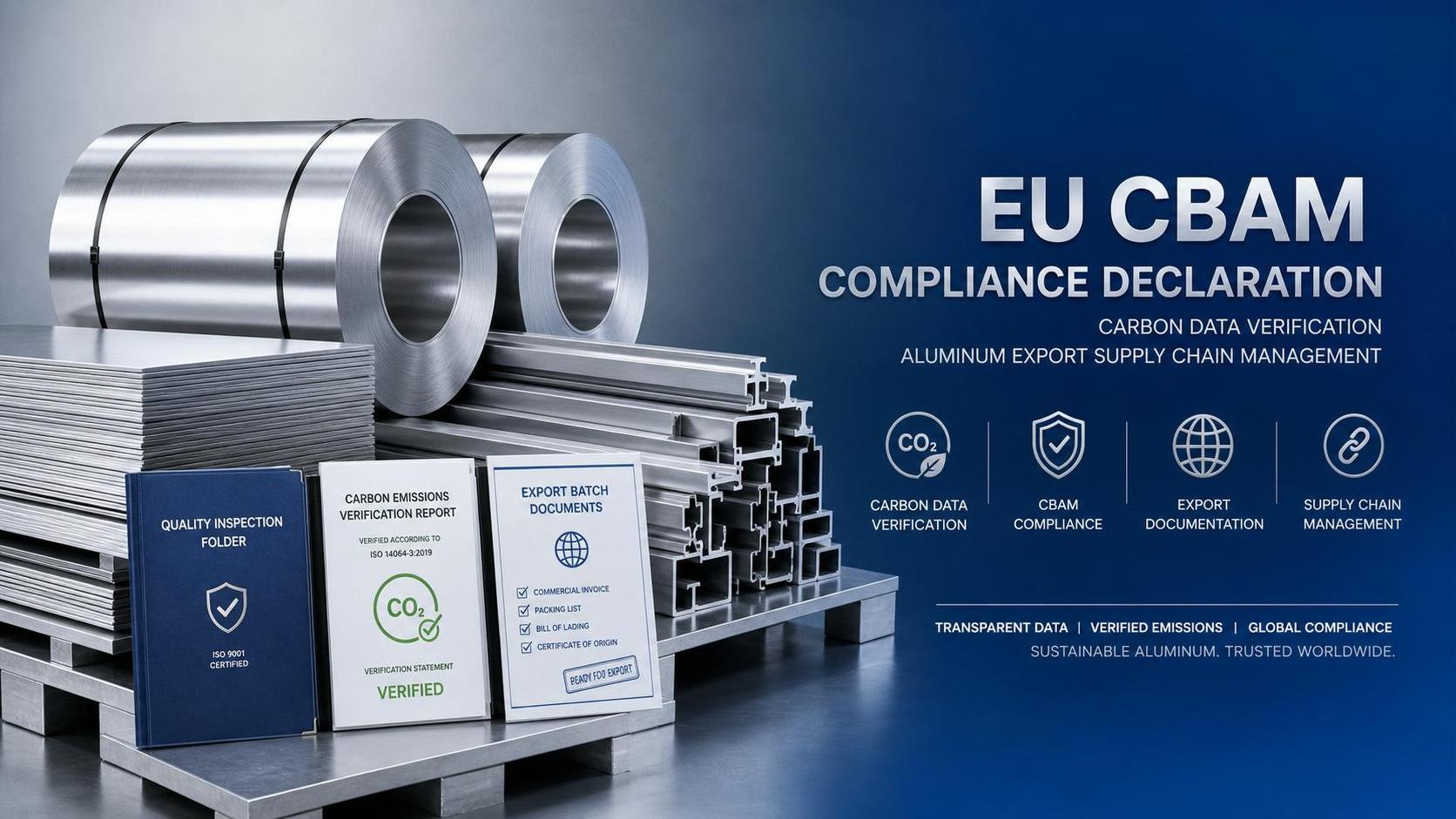
On October 1, 2026, the EU’s transition-phase implementation rule for CBAM in the aluminum sector takes effect, turning carbon reporting into a practical compliance requirement for exporters of primary aluminum, recycled aluminum, and aluminum products shipped to the EU. For exporters, overseas importers, procurement teams, and supply-chain service providers, the immediate issue is no longer general policy awareness but whether verified embedded emissions data can be submitted through the CBAM portal in a form that supports customs clearance and commercial execution.
What the New Requirement Formally Sets Out
According to the information provided, the European Commission formally issued the transition-phase implementation rule for CBAM aluminum products on July 13, 2026. The rule states that from October 1, 2026, exporters of primary aluminum, recycled aluminum, and aluminum products, including profiles, plates, sheets, strips, and foil, exported to the EU must submit verified embedded carbon emissions data through the CBAM portal.
The same summary indicates that Chinese aluminum exporters are required to engage in advance with EU-recognized third-party verification bodies and to update their disclosure systems for production energy consumption and electricity sources. The rule directly affects customs compliance for overseas importers and the cost structure of procurement.
Where the Pressure Moves Across Trade and Supply Chains
Export execution shifts from shipment documentation to emissions documentation
From an industry perspective, aluminum exporters are likely to feel the impact first because the rule links market access to the ability to provide verified embedded emissions data. The affected business steps are not limited to regulatory filing; they also include internal data preparation, coordination with verification bodies, and alignment of export documents with product and production records. What deserves closer attention is whether the exporter’s existing disclosure process can support CBAM portal submission without creating delays in order handling or delivery scheduling.
Importers and buyers face a tighter compliance screen at clearance and sourcing stage
Overseas importers and procurement teams are also directly exposed because the summary explicitly notes the effect on customs compliance and purchasing cost structure. Analysis shows that buyers will need to pay closer attention to whether upstream suppliers can provide verified carbon data in time, whether disclosures on energy use and electricity sources are complete, and whether supplier qualification review now needs to incorporate CBAM-related readiness alongside conventional price and delivery considerations.
Verification and supply-chain coordination become operational rather than optional
The requirement to work with EU-recognized third-party verifiers means compliance activity is likely to extend beyond exporters themselves. Supply-chain service providers and companies involved in compliance support may see a more active role in document preparation, data coordination, and transaction timing. Observably, the rule makes verification status and data traceability more relevant to commercial continuity, especially where multiple product forms or processing stages are involved.
What Companies Should Review Now
Check whether current emissions records are submission-ready
Analysis shows that companies shipping aluminum products to the EU should first review whether current records on production energy use and electricity sources are organized in a way that can support verified submission through the CBAM portal. The key point is not only data availability, but whether the disclosure structure can withstand external verification and transaction-level use.
Confirm verifier engagement before shipment pressure builds
Because the provided summary specifically refers to EU-recognized third-party verification bodies, companies should closely track verifier engagement and timing. It is more appropriate to understand this as a practical preparation issue: if verification arrangements lag behind shipment planning, the compliance burden may move directly into delivery coordination and customer communication.
Revisit supplier qualification and procurement review criteria
For manufacturers, traders, and purchasing teams, what deserves closer attention is whether supplier onboarding and ongoing review now need to include carbon-data readiness, disclosure completeness, and verification coordination capability. This is particularly relevant where procurement decisions have been driven mainly by price, lead time, and product specification.
Monitor how contract and delivery discussions begin to change
The input does not provide detailed enforcement outcomes, so no fixed execution result should be assumed. Still, observation suggests companies should watch for changes in document requests, bid requirements, delivery conditions, and customer-side compliance checks connected to CBAM reporting. The practical issue is whether carbon data becomes a precondition for smooth transaction execution rather than a separate reporting exercise.
Why This Reads as an Execution Signal
Observably, this development is more than a broad policy statement because it sets a start date and identifies a concrete reporting route through the CBAM portal, together with verification and disclosure expectations. Analysis shows that the market should treat it as an execution signal within the transition phase, especially for companies already serving EU-bound aluminum trade. At the same time, it remains necessary to continue watching how compliance language is applied in operational settings, including verification practice, customer requirements, and documentation expectations.
How the Market May Need to Interpret It
A measured reading of this update is that CBAM compliance in aluminum is moving closer to day-to-day trade execution. The immediate significance is not that all market effects are already settled, but that data verification, disclosure discipline, and procurement screening are becoming more central to export feasibility and importer compliance. It is more appropriate to understand this as a landed rule change with ongoing implementation questions, rather than as a fully settled outcome.
Basis of This Article and What Still Needs Verification
This article is generated from the user-provided news title, event date, and event summary. For events of this kind, relevant source categories would typically include official announcements, releases from regulatory authorities, customs or trade administration information, industry association updates, standards-related documents, and reporting by authoritative media. No specific official source link was provided in the input, so the underlying official link still requires follow-up verification. Observably, the points that still merit continued attention include detailed implementation language, verification practice, changes in tender or purchasing documents, market feedback, and how companies carry the requirement into actual export operations.
Navigation
Send Us A Message
Professional field of aluminum bars
24/7 before-sales and after-sales services
Comprehensive technical support