
EU CBAM Starts First Carbon Levy for Aluminum Imports
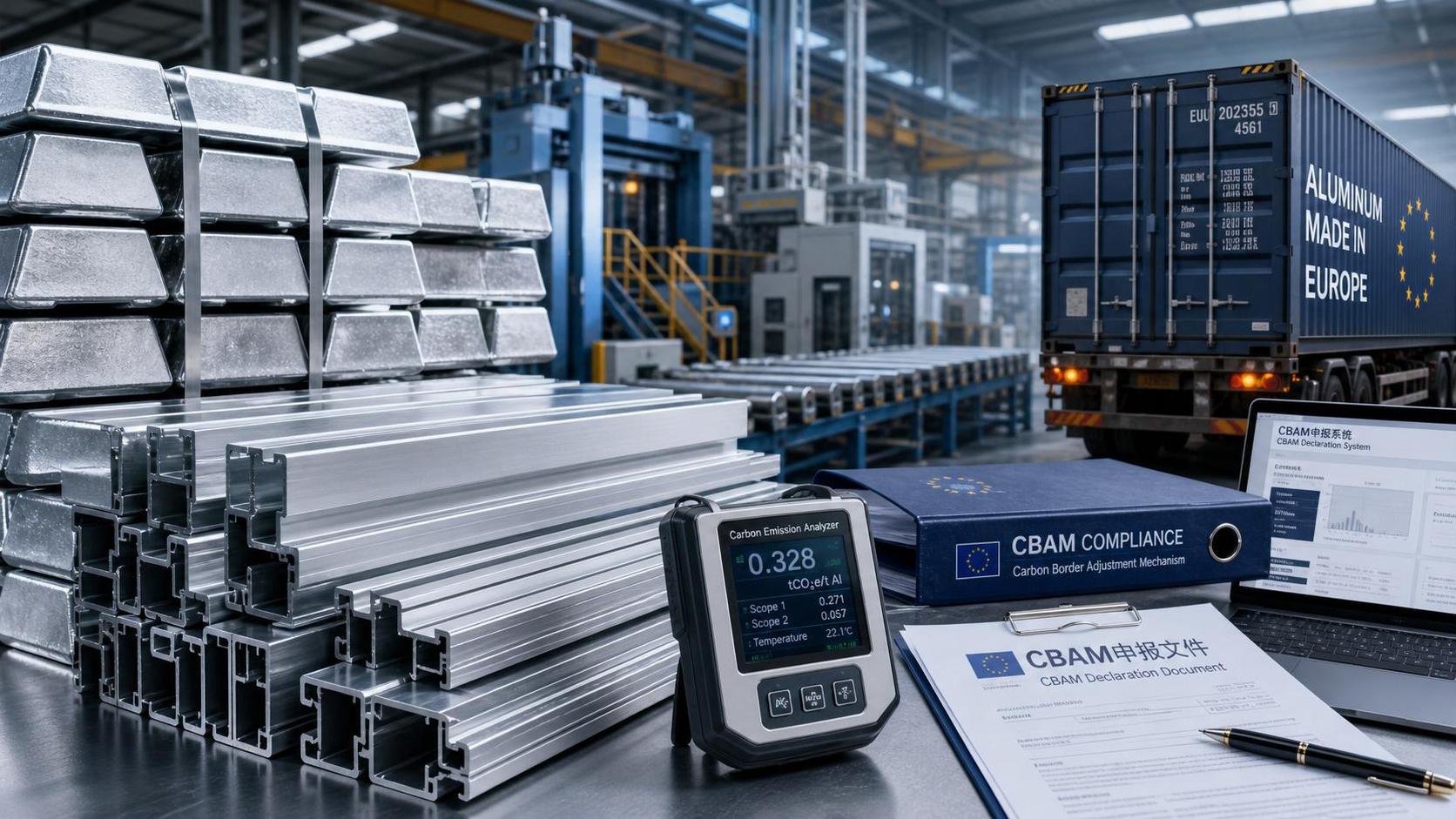
On July 1, 2026, the EU moved the aluminum segment of CBAM into a new implementation stage by requiring the first declaration and payment of embedded carbon costs for primary aluminum and aluminum alloy products. For Chinese exporters, this shifts compliance from broad policy awareness to document-ready execution, because certified measured emissions data covering upstream electricity, alumina refining, and electrolytic aluminum production must now be submitted through the CBAM system. The development is especially relevant for exporters, EU importers, overseas distributors, and supply chain teams managing customs clearance, delivery timing, and procurement compliance.
What Has Changed From July 1
According to the information provided, from July 1, 2026, the EU Carbon Border Adjustment Mechanism (CBAM) placed primary aluminum and aluminum alloy products into the second phase of the transition period. In this phase, importers are required for the first time to declare and pay a carbon levy based on embedded emissions.
The same information states that Chinese aluminum exporters must submit certified measured emissions data through the CBAM system. The required data covers upstream electricity, alumina refining, and electrolytic aluminum production. If complete and certified data is not provided, shipments may face customs delays or rejection.
The policy also directly affects procurement compliance costs and delivery cycles for overseas distributors.
Where the Immediate Pressure Will Be Felt
Export transactions are becoming more document-dependent
From an industry perspective, direct trading companies are likely to feel the impact first because product movement into the EU is now tied more closely to emissions reporting quality. The main pressure point is not only product eligibility, but whether the exporter can provide certified measured data in a form that supports the importer's CBAM filing and payment process.
Procurement and distributor operations face added coordination costs
Overseas distributors and procurement teams may be affected through higher compliance handling requirements and longer decision cycles. What deserves closer attention is the link between purchasing and customs readiness: if emissions data is incomplete or certification is not in place, purchasing plans and delivery commitments may need to be adjusted even before the goods reach clearance.
Manufacturing and upstream production records come under closer scrutiny
For processing manufacturers and upstream production participants, the likely impact is concentrated in data traceability across electricity use, alumina refining, and electrolytic aluminum production. Analysis shows that the operational issue is less about a general sustainability statement and more about whether production-stage emissions can be measured, certified, and passed downstream in a usable format.
Supply chain service providers may see tighter timing requirements
Logistics, customs, and related service providers may also be affected because the risk described in the event is directly tied to clearance delay or refusal. In practice, that means delivery schedules and handoff timing may depend more heavily on whether CBAM-related documentation is complete before shipment reaches the import process.
Practical Priorities for Companies Now
Focus on whether emissions data is complete across the full required chain
The immediate issue is not simply submitting a form. Companies need to pay attention to whether the required measured emissions data is available for upstream electricity, alumina refining, and electrolytic aluminum production as a connected data set, because the requirement described in the event covers all three areas.
Check certification readiness before shipment windows tighten
Observably, certified data is now a gatekeeping factor rather than a secondary compliance file. Exporters, importers, and their service partners should pay close attention to whether certification has been completed in time to support filing through the CBAM system, especially where delivery timing is contract-sensitive.
Separate policy wording from shipment execution risk
What deserves closer attention is the difference between understanding the rule in principle and being able to execute against it in a live shipment. The event information makes clear that the business risk is operational: customs delay or rejection. Companies therefore need to assess the practical readiness of documents, internal coordination, and customer-facing communication, not just the policy headline.
Prepare customer and supplier communication around lead times
Because the policy directly affects compliance cost and delivery cycles for overseas distributors, firms should pay attention to how they communicate with EU-side buyers, distributors, and upstream suppliers. The key issue is expectation management around documentation lead time, clearance timing, and whether any shipment could be exposed to avoidable disruption if required data is missing.
Why This Looks Like More Than a One-Off Filing Change
Analysis shows that this development is better understood as a concrete implementation signal rather than a symbolic policy step. The first collection of an embedded carbon levy for the affected aluminum categories means the compliance burden has moved into day-to-day trade execution. That does not by itself establish a final long-term market outcome, but it does indicate that emissions data quality is becoming part of transaction readiness.
It is more appropriate to understand this as both a short-term operational change and a longer-term compliance signal. In the short term, the pressure is on customs clearance, procurement coordination, and delivery timing. In the longer term, the need for certified measured data across upstream and production stages suggests that carbon disclosure is becoming more tightly connected to cross-border aluminum trade.
How the Market May Need to Read This Stage
At this stage, the significance of the update lies in its practical effect on aluminum trade with the EU. The event does not merely point to a future compliance direction; it introduces an immediate filing and payment requirement with direct consequences for shipment handling. A neutral reading is that companies should treat this as an active operating condition rather than a policy issue that can be deferred.
At the same time, it remains appropriate to continue watching how implementation details, documentation practices, and trade-side coordination evolve in actual business use. The current signal is clear, but the full operational impact across different roles in the supply chain still requires continued observation.
Basis of This Article
This article is based on the user-provided news title, event date, and event summary concerning the start of the first CBAM carbon levy for the aluminum sector in the EU and the requirement for Chinese exporters to submit complete carbon emissions data.
For this type of industry update, relevant source categories would usually include official notices, company disclosures, industry association updates, authoritative media coverage, and standards-related documents. However, no specific official source link was provided in the input, so the exact source record still requires ongoing verification.
Further monitoring should focus on any subsequent official wording, implementation clarifications, and operational updates that affect filing practice, certification expectations, customs processing, and delivery scheduling.
Navigation
Send Us A Message
Professional field of aluminum bars
24/7 before-sales and after-sales services
Comprehensive technical support