
EU CBAM Charges Begin for Aluminum on June 12
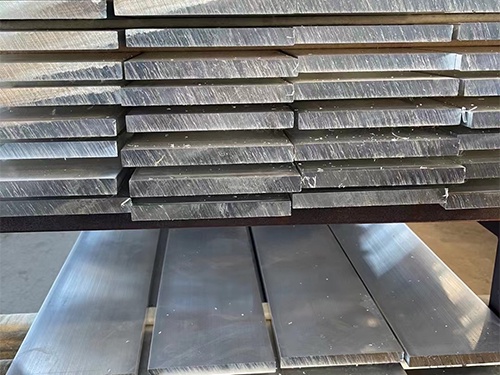
On June 12, 2026, the EU formally moved its CBAM requirements for imported aluminum into mandatory declaration and fee collection, covering primary aluminum and major aluminum products including unwrought aluminum, alloy profiles, and flat-rolled products. For exporters, importers, processors, and supply-chain compliance teams, this is not just a customs update: it directly affects landed cost calculations, supplier qualification, document readiness, and the commercial value of certified low-carbon aluminum.
What Takes Effect on June 12
According to the provided information, from June 12, 2026, the EU Carbon Border Adjustment Mechanism (CBAM) starts mandatory reporting and charge collection for imported electrolytic aluminum and key aluminum products. The covered products include unwrought aluminum, aluminum alloy profiles, and aluminum sheet, strip, and foil. The benchmark carbon emissions intensity is set at 1.55 tons of CO₂ per ton of aluminum.
Under this framework, coal-power-based aluminum producers are required to purchase CBAM certificates for the emissions gap. By contrast, certified Chinese green-power aluminum, including examples such as hydropower-based aluminum in Yunnan and wind-solar integrated projects in Inner Mongolia, may submit traceability documentation to obtain a 15% to 20% green premium and benefit from a priority customs clearance channel.
The provided summary also makes clear that the policy directly affects overseas importers' cost accounting, supplier access decisions, and carbon-compliance audits across the supply chain.
Where the Immediate Pressure Appears in the Aluminum Trade
Cost calculation shifts to the front of procurement
From an industry perspective, overseas importers and direct trading companies are likely to feel the first impact in pricing and sourcing decisions. Once CBAM-related fees are collected, the difference between higher-carbon and certified lower-carbon supply becomes a concrete commercial variable. What deserves closer attention is that purchasing decisions may no longer depend only on product specification and delivery terms, but also on whether carbon intensity and traceability documents can support import compliance.
Supplier screening becomes more document-driven
For processors, manufacturers, and procurement teams buying aluminum feedstock, the issue is not limited to raw material price. Analysis shows that supplier admission standards may increasingly depend on whether a producer can provide verifiable carbon data and traceability proof. In practical terms, this can affect supplier onboarding, annual reviews, and contract discussions with EU-facing customers.
Compliance and logistics functions face a tighter handoff
Supply-chain service providers and customs-related teams may be affected through document flow, declaration accuracy, and delivery timing. Because certified green-power aluminum can obtain priority customs clearance, the operational value of complete and auditable documentation becomes more visible. Observably, the commercial gap between compliant and weakly documented shipments may emerge not only in price, but also in clearance efficiency and execution risk.
What Companies Need to Watch Now
Check whether products fall within the covered scope
Companies involved in unwrought aluminum, alloy profiles, and aluminum sheet, strip, and foil should first verify whether their product mix is directly exposed to the new CBAM charging and declaration requirements. This is a practical starting point for exporters, traders, and EU-facing buyers because scope confirmation affects quotation logic, delivery commitments, and customer communication.
Prepare traceability evidence before customers request it
Analysis shows that the value of certified green-power aluminum depends not only on production attributes but also on the ability to present traceability proof. For suppliers seeking the stated 15% to 20% premium and priority clearance treatment, document readiness is likely to matter as much as production origin. This makes supporting records, proof chains, and internal coordination a near-term focus area.
Separate policy language from transaction execution
What deserves closer attention is the difference between the policy signal and day-to-day execution. A rule may state a benchmark emissions intensity and a premium opportunity, but the commercial outcome for each shipment still depends on whether the required documentation can be accepted and used in real transactions. For that reason, procurement teams and sales teams need aligned communication with customers on certificate responsibilities, pricing assumptions, and compliance handoff.
Review supplier access and audit exposure
The provided information explicitly points to supplier access and supply-chain carbon compliance audits. For companies serving the EU market, this means current supplier pools may need to be reviewed through a carbon-compliance lens, not only through cost and capacity. In the short term, businesses may need to identify which suppliers can support CBAM-related requirements and which relationships carry higher documentation risk.
Why This Looks Like a Market Filter, Not Just a Fee
Observably, this development can be read as more than a simple increase in import cost. The provided facts indicate that CBAM is now shaping how aluminum supply is evaluated at three levels at once: emissions intensity, documentary traceability, and customs treatment. Analysis shows that this creates a clearer distinction between conventional high-carbon aluminum and certified green-power aluminum in commercial negotiations.
At the same time, it is more appropriate to understand this as an active industry signal rather than a fully settled market outcome. The rule is already operative in the sense described in the provided information, but its broader commercial effect will depend on how buyers, suppliers, and service providers implement compliance requirements in actual transactions.
How to Read the June 12 Milestone
In practical terms, the June 12 start date marks a real shift in the way EU-bound aluminum trade must be managed. The confirmed facts point to immediate consequences for carbon cost allocation, supplier qualification, and customs handling, while also creating a premium window for certified green-power aluminum. A balanced reading is that this is both a short-term operational change and a longer-term signal about how carbon performance is being embedded into aluminum trade rules.
For now, it is more appropriate to understand this development as a compliance-driven market adjustment that deserves continued attention, especially for companies with EU-linked sales, sourcing, or logistics responsibilities.
Basis of This Article
This article is based on the user-provided news title, event date, and event summary. The specific official source link was not provided in the input, so the underlying policy wording and any later implementation details still require ongoing verification. For this type of development, the source categories typically worth monitoring include official policy announcements, corporate disclosures, industry association updates, authoritative media reports, and relevant standards or compliance documents. Continued attention should focus on any further official clarification related to covered product scope, documentation practice, and operational compliance requirements.
Navigation
Send Us A Message
Professional field of aluminum bars
24/7 before-sales and after-sales services
Comprehensive technical support