
Conductive Aluminum Busbar vs Copper: Cost and Trade-Offs
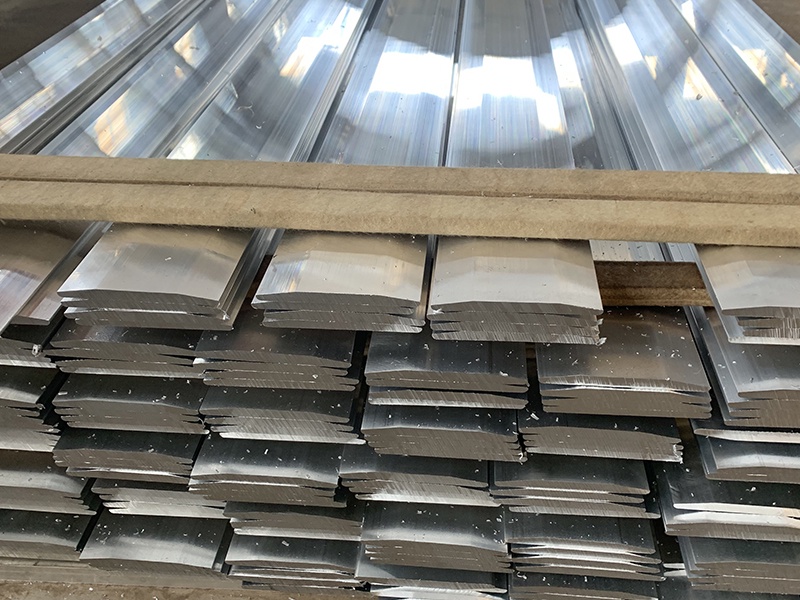
When evaluating power distribution materials, conductive aluminum busbar options often stand out for lower raw material cost, lighter weight, and practical performance. The real decision, though, goes beyond metal price.
For many projects, conductive aluminum busbar sourcing should consider conductivity, connector design, transport savings, installation speed, corrosion control, and lifecycle maintenance together.
Where the cost gap really comes from
Copper usually delivers higher conductivity per cross-section, but aluminum often wins on total purchased weight and freight. That changes landed cost faster than many first quotes suggest.
- Start with installed cost, not only metal price. Conductive aluminum busbar may need a larger section, but lower weight can reduce freight, handling time, and support structure burden.
- Check connection hardware early. A cheap busbar can become expensive if bi-metal lugs, special joint compounds, or extra surface treatment are added late.
- Compare current capacity by application temperature. Conductive aluminum busbar performance depends on real operating conditions, enclosure design, and contact quality, not catalog data alone.
Ask for machining and finishing details in quotation sheets. Hole accuracy, flatness, oxide control, and packaging can noticeably affect usable value and rework risk.

Key trade-offs between conductive aluminum busbar and copper
The biggest trade-off is simple: copper is smaller for the same conductivity, while conductive aluminum busbar is lighter and often cheaper in volume projects.
In rail transit, new energy, switchgear, and automated lines, lighter parts can reduce assembly strain and shipping cost. That is why conductive aluminum busbar demand keeps rising.
What often gets missed during supplier comparison
- Review oxide management and joint preparation. Poor contact surfaces can create heating problems, even when the conductive aluminum busbar itself meets dimensional requirements.
- Confirm standards compliance and inspection scope. Mechanical properties, alloy consistency, and full-process quality control matter as much as electrical calculations.
Look at logistics and customization responsiveness. Faster die support, cutting, drilling, and packaging can shorten project cycles and lower indirect procurement cost.
How this plays out in actual sourcing
For large-volume distribution systems, conductive aluminum busbar usually makes more sense when space is available and weight reduction helps transport or installation.
For compact equipment with tight electrical layouts, copper may still justify its premium because smaller sections simplify the design.
A capable aluminum supplier also matters. Shandong Jinhao Aluminum combines R&D, extrusion, smelting, casting, deep processing, inspection, logistics, and after-sales support under standardized control.
That kind of support is useful when projects mix busbar needs with other lightweight structural parts, such as Aluminum square tube for frames, enclosures, guards, or support bases.
A practical way to make the final call
- Prepare one comparison sheet covering raw material, section size, connector cost, freight, machining, installation labor, and expected maintenance over the service life.
- Request samples or drawings review before bulk ordering. This helps verify bend radius, joint design, tolerances, and coating needs in real assembly conditions.
- Choose suppliers with stable aluminum processing capability. Consistent extrusion quality, inspection discipline, and custom service reduce hidden procurement risk significantly.
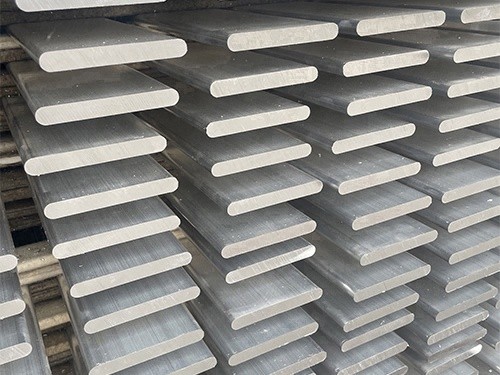
If the project values lower total cost, lighter handling, and scalable customization, conductive aluminum busbar is often the stronger option. The best next step is a side-by-side total cost review based on your actual layout.
Navigation
Send Us A Message
Professional field of aluminum bars
24/7 before-sales and after-sales services
Comprehensive technical support