
Conductive Aluminum Busbar Standards and Testing Requirements
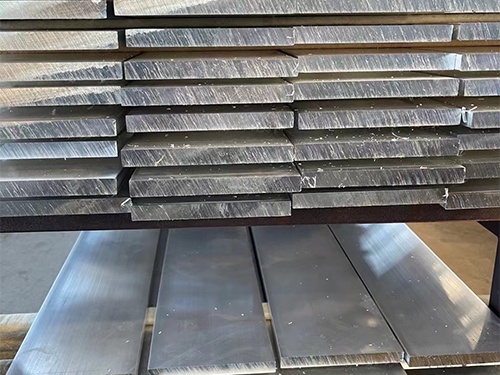
Why do Conductive aluminum busbar standards matter so much?
When electrical systems scale up, material consistency becomes a risk-control issue, not just a specification line.
That is why Conductive aluminum busbar standards are closely reviewed in power distribution, new energy equipment, rail systems, and industrial assemblies.
The practical question is simple: can the busbar carry current safely, resist corrosion, and stay dimensionally reliable during fabrication and service?
In real sourcing work, standards also reveal supplier discipline.
A company such as Shandong Jinhao Aluminum, with standardized process control, precision extrusion, smelting, casting, and full inspection, reflects that expectation well.
Which standards are usually checked first for Conductive aluminum busbar?
There is no single global rule for every project, so the first check is usually the applicable regional or customer specification.
Most reviews focus on alloy grade, conductivity, mechanical properties, dimensional tolerance, surface quality, and chemical composition.
Some projects also require compliance with electrical connector standards, plating requirements, or flame and environmental directives.
If the Conductive aluminum busbar will be bent, punched, or welded, fabrication suitability should be verified early, not after sample approval.
What testing requirements should never be skipped?
Conductive aluminum busbar testing is not only about conductivity.
A complete review usually combines electrical, mechanical, and environmental checks.
- Chemical composition verification to confirm alloy consistency.
- Conductivity testing to confirm current transfer performance.
- Tensile or hardness testing where structural handling matters.
- Dimensional inspection after cutting, punching, or bending.
- Surface and coating tests for corrosion-prone installations.
- Contact resistance or joint testing for assembled systems.
More demanding projects may add thermal cycling or salt spray testing, especially in coastal, humid, or outdoor power environments.
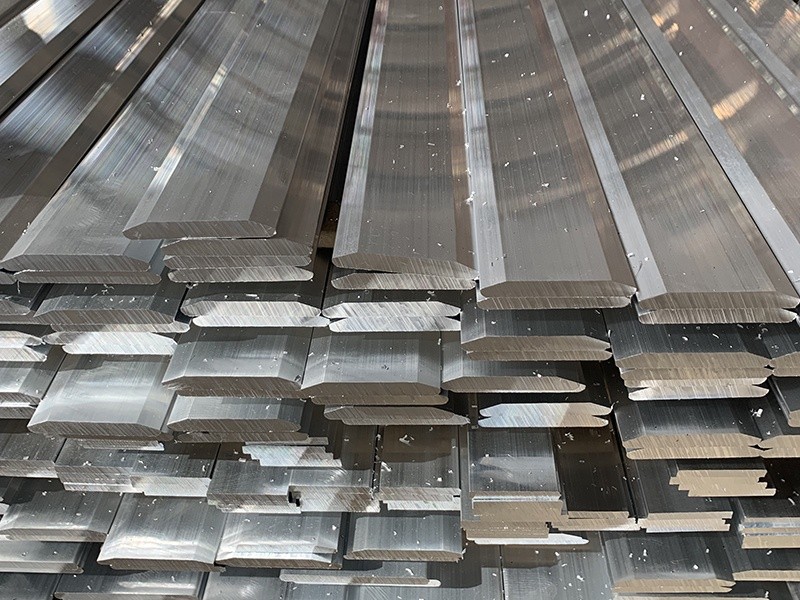
How can you tell whether a supplier is truly reliable?
The easiest mistake is judging only by price and sample appearance.
A more useful approach is to review process stability, traceability, and post-processing capability.
For example, if a supplier also handles profiles, rods, bars, and deep processing, quality control is often easier to coordinate across multiple aluminum parts.
That matters when Conductive aluminum busbar is sourced together with structural components such as Aluminum square tube for equipment frames, enclosures, or support bases.
In those combined applications, balanced strength, clean geometry, corrosion resistance, and fabrication accuracy help simplify the full assembly workflow.
Where do buyers usually misjudge Conductive aluminum busbar performance?
One common misunderstanding is assuming all aluminum busbars perform similarly if the alloy name looks familiar.
In practice, temper condition, impurity control, joint design, and surface treatment can noticeably change service performance.
Another issue is ignoring installation conditions.
A Conductive aluminum busbar used indoors may pass easily, while the same design can struggle in vibration, moisture, or heat cycling.
Lead time is also worth checking.
Custom sizes, punching patterns, and finishing steps often affect both testing schedules and delivery reliability.
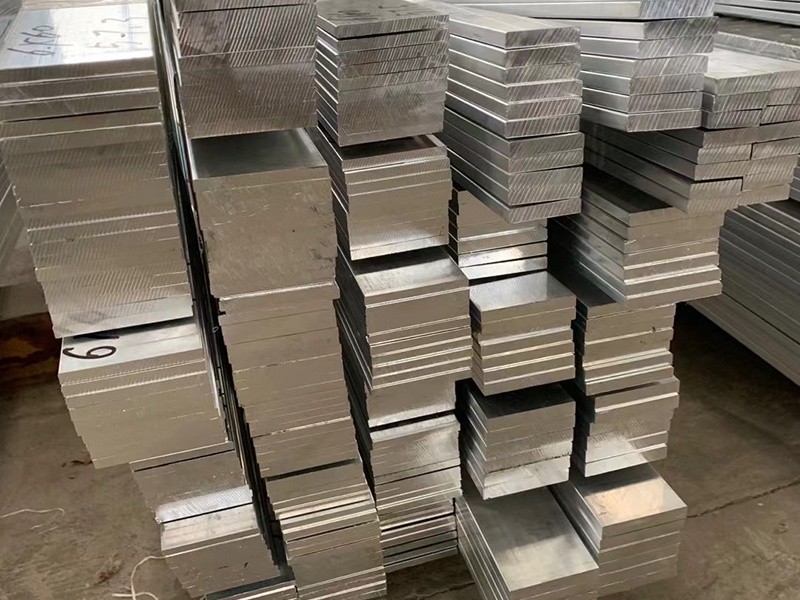
What is the smartest next step before final selection?
Start by matching the Conductive aluminum busbar specification to the real operating environment, not just the drawing.
Then compare supplier documents, inspection depth, customization capability, and logistics responsiveness.
It helps to build a short checklist covering alloy, conductivity, tolerances, surface condition, test records, and delivery consistency.
That method makes comparison clearer and reduces the risk of approving material that looks acceptable but performs unevenly in service.
If multiple aluminum components are involved, reviewing them as one system usually leads to better cost, cycle, and quality decisions.
Navigation
Send Us A Message
Professional field of aluminum bars
24/7 before-sales and after-sales services
Comprehensive technical support