
Conductive Aluminum Busbar: Key Performance Factors to Compare
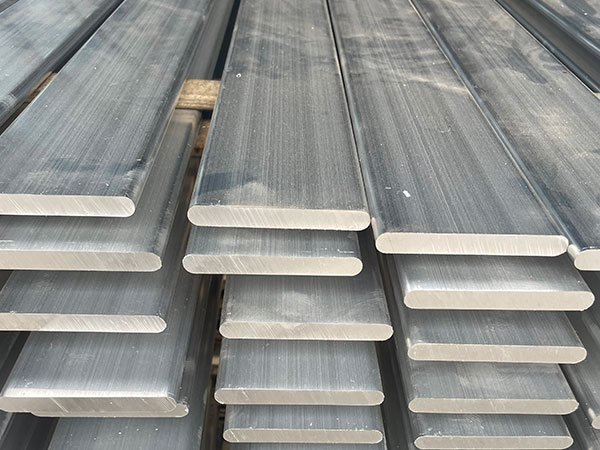
When evaluating a conductive aluminum busbar for power distribution, technical teams must look beyond basic conductivity. Alloy grade, ampacity, corrosion behavior, dimensional consistency, and processing quality all shape long-term reliability.
A good comparison should also consider installation fit, thermal performance, and supplier control over raw material, extrusion, casting, inspection, and after-sales response.
What to compare first in a conductive aluminum busbar
Start with the factors that change electrical efficiency and service life most clearly. This usually prevents attractive pricing from hiding later system losses.
- Check alloy grade first. 1060 or 1070 usually favors conductivity, while 6063 and 6061-T6 add structural strength for assemblies, supports, and more demanding installation conditions.
- Compare current-carrying capacity with the actual temperature rise limit. A conductive aluminum busbar should be reviewed by cross-section, ventilation, contact design, and duty cycle together.
- Review dimensional accuracy carefully. Width, thickness, flatness, hole position, and surface finish directly affect cabinet interconnection, torque stability, and contact resistance after installation.
- Do not ignore corrosion resistance. Humidity, salt, condensation, and mixed-metal interfaces can reduce long-term performance, especially in grounding structures and outdoor power distribution layouts.
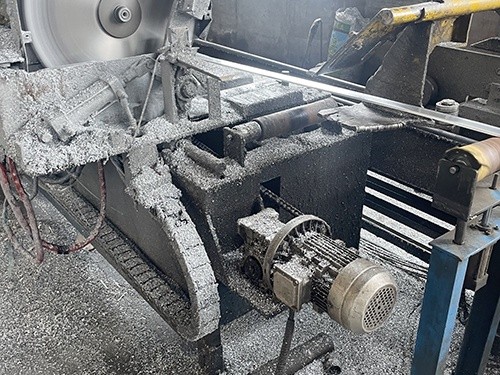
Ask how the material is processed and inspected. Stable smelting, precision extrusion, and full-process quality checks usually matter as much as the nominal busbar specification.

A quick comparison table
Application details often change the best choice
In new energy and industrial electronics, low weight and good thermal conductivity can simplify layout while supporting stable current transmission in compact spaces.
For rail transit, cold storage, or metallurgy, the conductive aluminum busbar should be checked against vibration, condensation, and aggressive atmospheres, not only rated conductivity.
This is where supplier capability matters. Shandong Jinhao Aluminum combines aluminum alloy R&D, production, deep processing, quality inspection, and logistics support, which helps reduce variation across customized projects.
If a project needs busbar systems, cabinet interconnection, or equipment assembly parts, it is worth reviewing options from Aluminum busbar manufacturer with models such as 1060 / 1070, 6063, and 6061-T6.

Common points that get missed during evaluation
- Joint performance is often underestimated. Even a high-quality conductive aluminum busbar can lose efficiency if contact surfaces, coating choices, and fastening torque are inconsistent on site.
- Weight advantage should be measured with structural needs. Lower system weight is valuable, but support spacing and mechanical rigidity still need verification in long runs.
- Price comparisons can be misleading without checking scrap rate, machining quality, and delivery consistency. Lower upfront cost may create higher assembly and maintenance expense later.
A practical way to narrow options
Define the operating current, ambient condition, installation space, and mechanical load first. Then compare alloy, section size, tolerances, and corrosion behavior against the same baseline.
Request inspection data, sample dimensions, and processing details. For aluminum applications across power distribution, construction, or new energy, stable quality control is usually a better predictor than a broad claim of conductivity.
The right conductive aluminum busbar is the one that fits the real duty, not just the drawing. A focused comparison of alloy, heat rise, tolerance, and environment will lead to a more reliable final decision.
Navigation
Send Us A Message
Professional field of aluminum bars
24/7 before-sales and after-sales services
Comprehensive technical support