
Common Failure Risks of 1070 Aluminum Busbar in Outdoor Installations
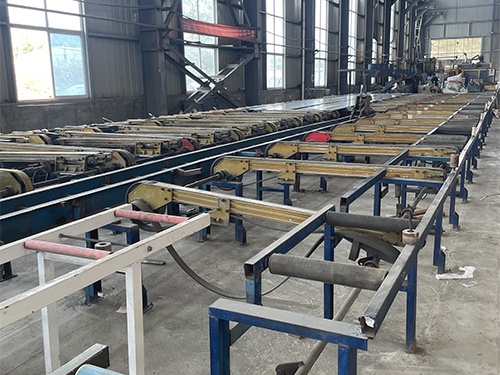
Why outdoor conditions change the risk profile
The weak point of a 1070 aluminum busbar outdoors is rarely the alloy alone. Failures usually start when moisture, dust, salt, heat cycling, and connection pressure act together over time.
In practical power systems, the same conductor behaves differently on a coastal frame, inside a ventilated cabinet, or near a solar inverter. That is why inspection standards cannot rely on conductivity data only.
Manufacturers with stable extrusion, casting, and full-process quality control, such as Shandong Jinhao Aluminum, tend to focus on this broader match between material behavior and installation reality.
More exposed sites usually fail at the joints first
In open substations and rooftop systems, a 1070 aluminum busbar often faces rainwater ingress, airborne contaminants, and repeated temperature swings. The joint area becomes the first location to monitor.
Oxide growth can increase contact resistance. Once resistance rises, local heating follows. The result is often discoloration, bolt loosening, and unstable current transfer rather than sudden full breakage.
This is more common where installation torque is inconsistent or where copper and aluminum interfaces are left without proper transition treatment.
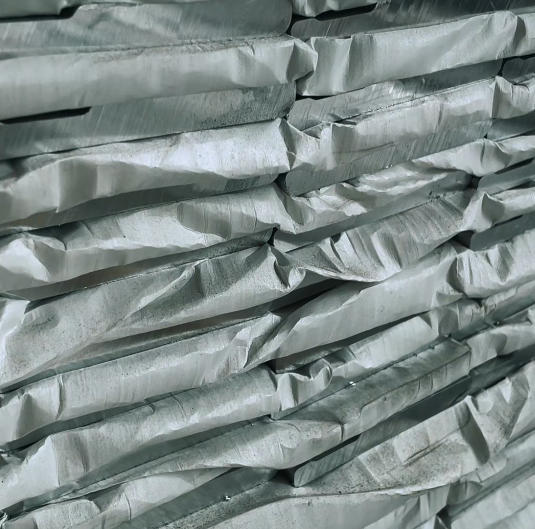
Different outdoor scenes do not ask for the same judgment
Where material selection needs a more careful comparison
A 1070 aluminum busbar offers high aluminum purity and useful conductivity, but outdoor use may demand more than electrical performance. Mechanical strength, forming needs, and corrosion margin should be reviewed together.
For some building infrastructure, cabinet, or general conductive applications, 6063 aluminum busbar can be a practical alternative when balanced corrosion resistance, machining ease, and installation efficiency matter more than chasing one parameter.
That comparison matters in projects with drilling, bending, or frequent assembly work, especially when long-term maintenance access is limited.
The common misjudgments are usually simple
- Choosing a 1070 aluminum busbar by conductivity alone, without checking local humidity, salt exposure, or mixed-metal contact.
- Treating all outdoor installations as one category, even though shaded cabinets and open support structures age very differently.
- Focusing on purchase cost, while ignoring shutdown losses, retightening cycles, and replacement labor.
- Skipping periodic infrared inspection after commissioning.
Useful actions before the next installation cycle
Start by separating the project into actual outdoor conditions, not generic product categories. Then compare load, enclosure level, joint design, maintenance interval, and corrosion exposure.
For each 1070 aluminum busbar application, confirm torque standards, surface treatment, transition connection design, and inspection frequency before release.
That approach usually reduces failure risk more effectively than changing material after problems appear in service.
Navigation
Send Us A Message
Professional field of aluminum bars
24/7 before-sales and after-sales services
Comprehensive technical support