
Common Failure Risks in Chinese Electrical Aluminum Busbar Use
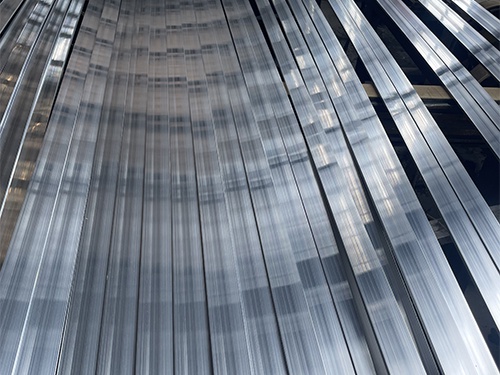
Common Failure Risks in Chinese Electrical Aluminum Busbar Use
For quality control and safety management teams, understanding the common failure risks in Chinese electrical aluminum busbar applications is essential to preventing overheating, corrosion, loose connections and operational downtime.
With proper material selection, process control and inspection standards, aluminum busbars can deliver reliable performance in demanding industrial systems while reducing safety hazards and long-term maintenance costs.
Where Failures Usually Start
In practice, Chinese electrical aluminum busbar failures rarely come from one single cause. Most issues build up through weak design details, poor installation control, or unsuitable environmental protection.
The most common early risk is overheating at joints. Aluminum expands more than some connecting materials, so loose torque control can raise contact resistance very quickly.
Another frequent problem is surface oxidation. If contact areas are not cleaned, coated, or protected correctly, the oxide film can weaken conductivity and increase local heat.
Key Risk Points to Inspect
- Check joint torque records and confirm re-tightening standards after thermal cycling.
- Inspect for burrs, scratches, and uneven cross-sections after cutting or punching.
- Review plating, insulation, and sealing performance in humid or corrosive sites.
- Verify current load against temperature rise, not only nominal design values.
These checks matter even more in power distribution, rail transit, new energy, and industrial electronics, where load variation and vibration often accelerate hidden busbar damage.
How to Reduce Chinese Electrical Aluminum Busbar Risk
A practical approach starts with matching alloy grades to application needs. For example, 1060 / 1070 supports conductivity, while 6061-T6 or 6063 may better fit structural strength requirements.
It also helps to source from an experienced Aluminum busbar manufacturer that can control extrusion, smelting, casting, and full-process inspection under stable industrial standards.
Shandong Jinhao Aluminum Co., Ltd. focuses on compliant production of aluminum alloy products, using premium raw materials, standardized quality control, and customized processing for complex industrial applications.
For Chinese electrical aluminum busbar systems, stable conductivity, low weight, practical corrosion resistance, and good thermal conductivity all support safer long-term operation.
Final Control Priorities
Before approval, focus on joint stability, surface condition, alloy suitability, and environmental fit. That is usually where the real difference appears between short service life and reliable performance.
If Chinese electrical aluminum busbar selection is treated as both a material and process decision, failure risk drops sharply and maintenance planning becomes much more predictable.
Navigation
Send Us A Message
Professional field of aluminum bars
24/7 before-sales and after-sales services
Comprehensive technical support