
Common Design Mistakes with Chamfered Aluminum Busbars
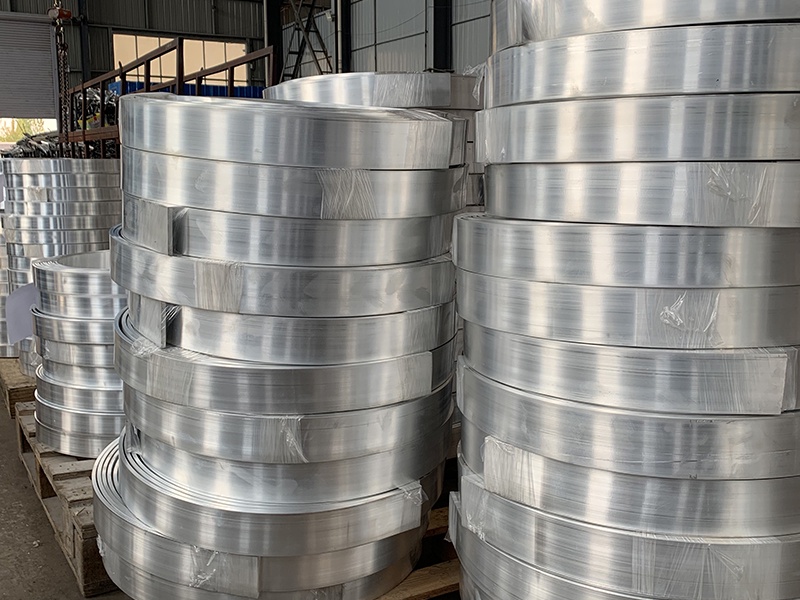
Why do chamfered edges help, yet still cause problems?
A chamfered aluminum busbar usually improves handling, insulation clearance, and assembly comfort. It can also reduce sharp-edge damage during installation.
The trouble starts when the chamfer is treated as a cosmetic detail. In real busbar systems, edge geometry affects contact area, heat flow, and fastening stability.
That is why small drawing errors often become overheating points later. For daily operation, this matters more than appearance.
Which design mistake shows up most often in a chamfered aluminum busbar?
The most common mistake is excessive chamfering near connection zones. If too much material is removed, the effective current path becomes narrower.
This can raise resistance and create local temperature rise. The issue becomes more obvious in power distribution, cabinet interconnection, and new energy equipment.
Another frequent problem is poor transition design between the chamfer and flat section. Abrupt changes may weaken the part under vibration or repeated tightening.
A quick way to judge the risk
Can material choice make a bad edge design worse?
Yes, especially when alloy selection does not match the application. A chamfered aluminum busbar in rail transit or industrial electronics faces different mechanical and thermal demands.
For example, 1060 / 1070 favors conductivity, while 6061-T6 supports stronger structural performance. 6063 is often chosen when forming consistency and surface quality matter.
What matters is not only alloy grade, but how the section, joint area, and chamfer work together. Shandong Jinhao Aluminum follows standardized control in extrusion and inspection, which helps keep these details consistent.
What installation issues usually come from poor chamfer planning?
A badly planned chamfered aluminum busbar often creates alignment trouble first. Operators may notice uneven seating, washer tilt, or unexpected gaps at the connection face.
Over time, these small misfits can lead to oxidation, vibration loosening, and higher maintenance frequency. In cold storage or metallurgy projects, this becomes more sensitive.
- Keep the chamfer away from the main pressure-bearing contact surface.
- Check hole position, washer diameter, and tightening path together.
- Review thermal expansion where long busbar systems run continuously.
How should you evaluate a safer busbar option before use?
A practical review starts with the real load, mounting method, and environment. Then compare conductivity, weight, corrosion resistance, and thermal behavior as one package.
This is where a source with deep-processing experience is useful. A reference such as Aluminum busbar manufacturer can help you compare profiles for grounding structures, equipment assembly, and long-term operating value.
If the design needs low weight with stable conductivity and good thermal conductivity, the edge treatment should be checked as carefully as the alloy itself.
What is the simplest takeaway before finalizing a design?
Do not judge a chamfered aluminum busbar only by clean appearance or easy handling. The safer approach is to review current path, joint pressure, alloy grade, and service environment together.
If overheating, loosening, or repeated rework has happened before, recheck the chamfer dimensions first. That small detail often explains larger system instability.
Before the next project, build a short checklist around section loss, contact area, fastening fit, and corrosion exposure. That makes comparison easier and reduces avoidable failures.
Navigation
Send Us A Message
Professional field of aluminum bars
24/7 before-sales and after-sales services
Comprehensive technical support