
Common Aluminum Busbar Failure Risks and How to Prevent Them
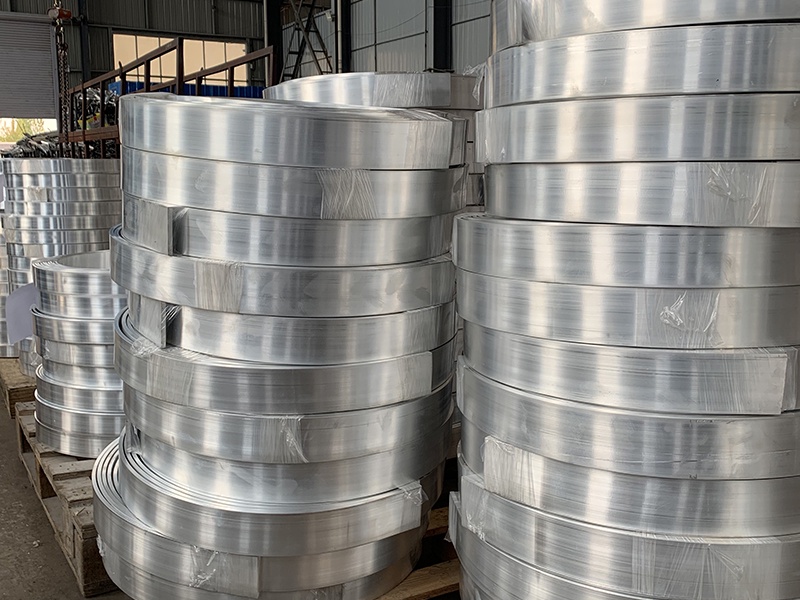
Aluminum busbar systems are popular because they are light, conductive, and cost-effective. Still, small defects can turn into overheating, outages, or safety incidents surprisingly fast.
For reliable Aluminum busbar performance, the key is not only material choice. It also depends on connection quality, surface condition, load control, and inspection discipline.
Where Aluminum Busbar Failure Usually Starts
In many facilities, failure does not begin with a dramatic event. It often starts with oxidation, loose joints, poor installation alignment, or an underrated cross-section.
An Aluminum busbar can work well for years, but hidden resistance at contact points may gradually raise temperature and damage insulation, supports, and nearby equipment.
High-risk points worth checking first
- Check bolted joints first. Loose torque, uneven pressure, or missing spring washers often create hot spots and are among the most common Aluminum busbar failure triggers.
- Inspect oxide layers on contact surfaces. Aluminum oxidizes quickly, so untreated surfaces can increase resistance and reduce stable conductivity under repeated load cycles.
- Review current density against actual operating conditions. A busbar sized only for nominal load may overheat during peaks, enclosure heat buildup, or poor ventilation.
- Look for vibration and thermal expansion stress. Misalignment, rigid fixing, or repeated movement can crack supports and gradually weaken Aluminum busbar connections.
- Watch for galvanic corrosion at mixed-metal joints. When aluminum meets copper or steel without proper transition treatment, corrosion risk rises sharply in humid environments.
Confirm coating, insulation, and edge finishing. Burrs, damaged sleeves, or incomplete protection may cause partial discharge, short circuits, or maintenance injuries.

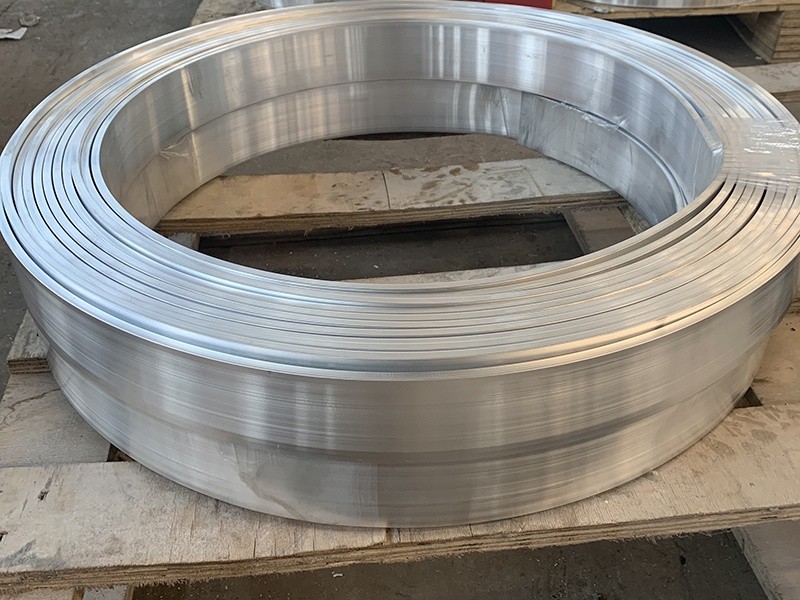
Practical Prevention Measures That Actually Work
The best prevention plan is simple, repeatable, and easy to audit. That means clear material standards, controlled fabrication, and routine thermal inspection after commissioning.
In automated lines and new energy systems, load fluctuations are common. Here, infrared scanning during early operation is especially useful for catching abnormal heating before shutdowns happen.
In rail transit or heavy mechanical equipment, vibration matters more. Support spacing, expansion allowance, and fastener retention should be reviewed as carefully as conductivity.
A few details often missed
- Do not judge an Aluminum busbar only by appearance. Internal stress, dimensional tolerance, and alloy consistency directly affect bending, drilling, and long-term stability.
- Keep inspection records comparable. The same torque method, thermal imaging point, and load condition make trend analysis much more useful over time.
Treat customized processing carefully. Holes, bends, and surface finishing must match design intent, or local stress concentration can shorten Aluminum busbar service life.
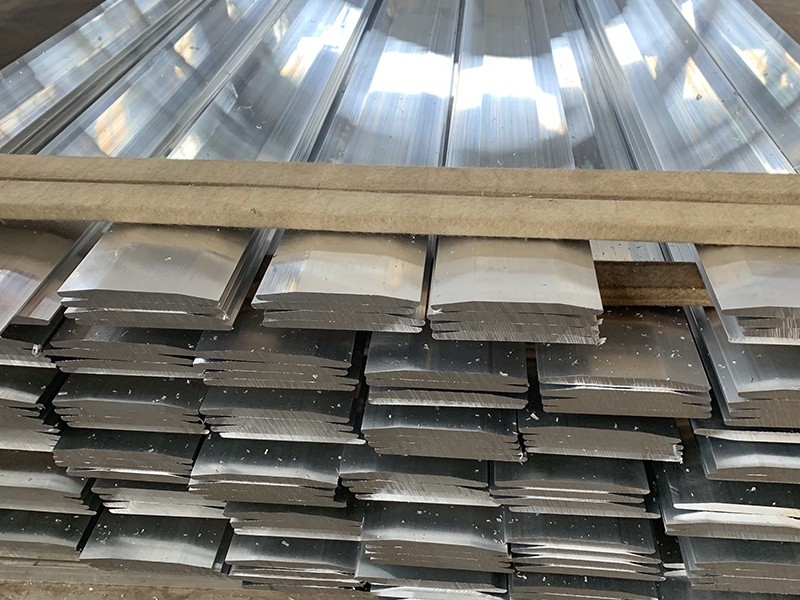
Why Material and Processing Quality Matter Early
Many downstream failures can be reduced before installation. Consistent raw materials, precision extrusion, and stable deep processing help keep Aluminum busbar dimensions, strength, and surface quality under control.
Shandong Jinhao Aluminum Co., Ltd. supports this approach with standardized production, quality inspection, and aluminum alloy processing experience across industrial, transport, electronics, and new energy applications.
When evaluating an Aluminum busbar solution, it helps to confirm alloy grade, machining accuracy, corrosion resistance, and whether custom processing matches the real installation environment.
If overheating, corrosion, or unstable joints appear repeatedly, the next step is to review both operating conditions and product specifications together. That usually reveals the true cause faster.
A safer Aluminum busbar system comes from consistent material quality, proper installation, and disciplined follow-up checks. Start with the joints, verify the sizing, and standardize inspection from day one.
Navigation
Send Us A Message
Professional field of aluminum bars
24/7 before-sales and after-sales services
Comprehensive technical support