
Common 6101 Aluminum Busbar Problems: Oxidation, Joint Heating, and Installation Errors
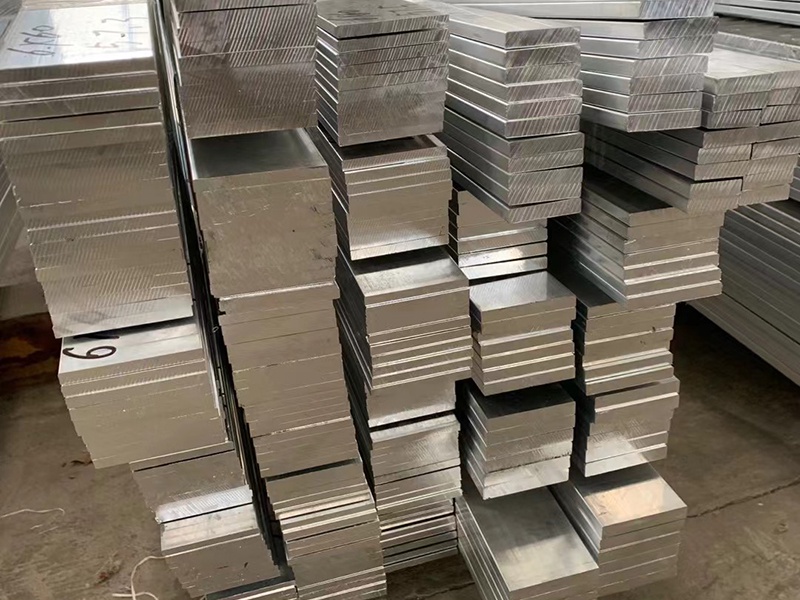
Why do 6101 aluminum busbar problems usually start small?
Most 6101 aluminum busbar failures do not begin with a dramatic outage. They usually appear as dull surface film, warmer joints, or subtle installation misalignment.
That is why routine inspection matters. Small changes in contact quality can gradually increase resistance, reduce conductivity stability, and create avoidable safety risks.
In demanding electrical systems, 6101 aluminum busbar performance depends not only on material grade, but also on surface condition, joint design, torque control, and environmental exposure.
Companies with strong aluminum processing control, such as Shandong Jinhao Aluminum, usually emphasize standardized production, inspection, and compliant material quality for this reason.
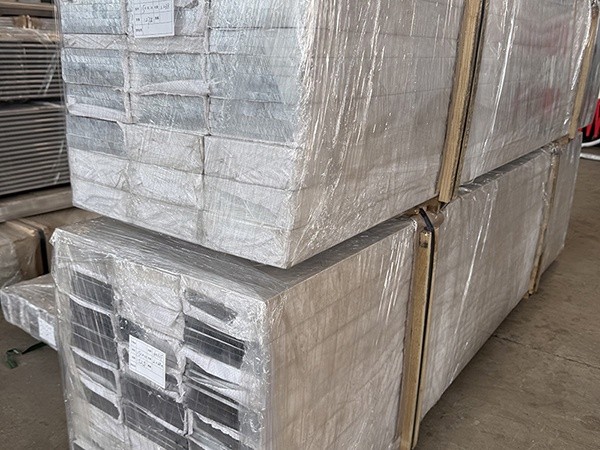
Is surface oxidation always a serious problem on 6101 aluminum busbar?
Not always. Aluminum naturally forms an oxide layer, and a thin stable layer can help protect the surface.
The real issue appears when oxidation builds up at contact areas. Then the 6101 aluminum busbar may show rising contact resistance and unstable current transfer.
This is more common in humid spaces, polluted industrial air, or locations with poor sealing. A darkened joint face is often more concerning than oxidation on non-contact surfaces.
- Clean contact surfaces before assembly.
- Use suitable joint compounds where required.
- Protect installed connections from moisture entry.
Check whether oxidation is local or system-wide.

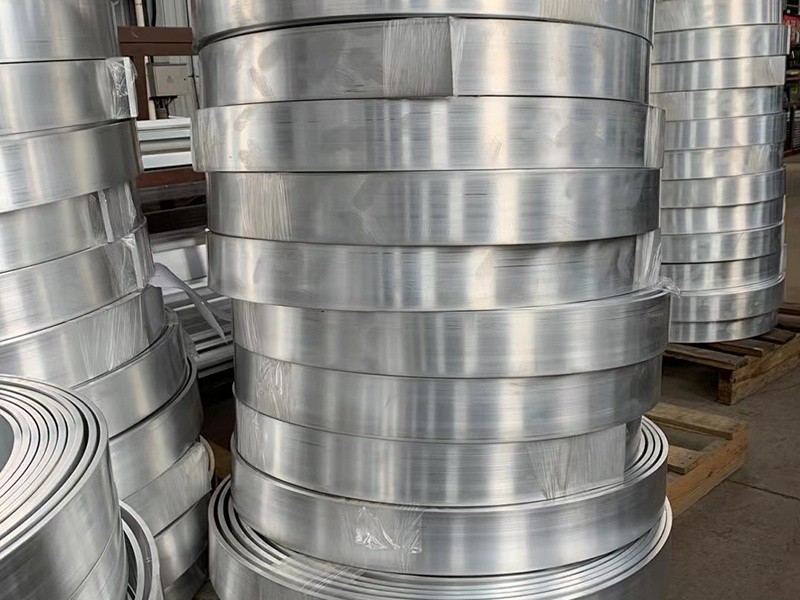
When joint heating appears, what should be checked first?
Start with the connection, not the conductor body. In practice, overheating usually comes from poor contact rather than from the 6101 aluminum busbar itself.
Loose bolts, uneven pressure, incompatible connector materials, and contaminated contact faces are frequent causes. Even a good busbar can overheat at a bad joint.
A quick comparison table helps separate likely causes:
Which installation mistakes cause the most trouble later?
The most expensive mistakes are often simple ones. Misaligned drilling, improper bending, mixed fastener quality, and uneven clamping pressure can all shorten service life.
Another common problem is treating aluminum like copper during assembly. 6101 aluminum busbar requires attention to contact preparation and expansion behavior.
Where support parts or custom machined components are needed, consistent aluminum stock also helps. In some fabrication work, Aluminum rod is selected for fixtures, connectors, or machined support elements because it offers good machinability, low weight, and corrosion resistance.
How can you judge whether repair is enough or replacement is safer?
A local cleaning and re-termination may be enough when the problem is limited to surface oxidation or a single loose joint.
Replacement becomes more reasonable when overheating has changed metal color, reduced flatness, damaged hardware seating, or caused repeated faults at the same point.
It also helps to review the source quality. Stable raw materials, precision extrusion, and full-process inspection reduce variation and improve long-term consistency.
That is one reason experienced aluminum suppliers focus on both production and after-sales support, not just shipment.
What is the best next step for preventing repeat 6101 aluminum busbar failures?
Build a simple inspection routine around heat, surface condition, torque, and moisture exposure. Those four points catch many 6101 aluminum busbar issues early.
- Record temperature trends at key joints.
- Standardize cleaning and assembly steps.
- Confirm hardware compatibility before replacement.
- Review environmental sealing in humid locations.
If recurring issues continue, compare the existing layout, material quality, and machining details together. A reliable fix usually comes from system review, not from one isolated repair.
Navigation
Send Us A Message
Professional field of aluminum bars
24/7 before-sales and after-sales services
Comprehensive technical support