
Chinese Electrical Aluminum Busbar: Key Performance Factors to Check
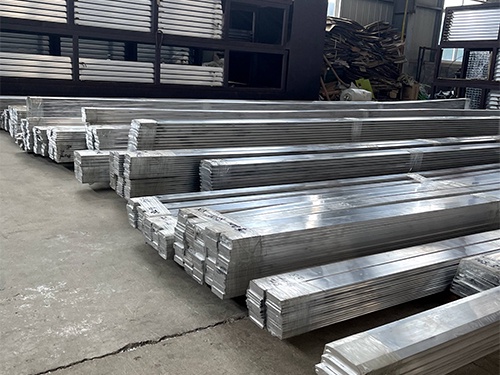
Choosing a Chinese electrical aluminum busbar is rarely about size alone. Conductivity, strength, corrosion behavior, tolerance control, and production consistency all influence heat rise, connection stability, and service life in real operating conditions.
That matters more now because busbars are used across power distribution, new energy systems, transport, and industrial control equipment, where compact layouts and stable current carrying performance are expected together.
What deserves close attention
For any Chinese electrical aluminum busbar, conductivity is the first checkpoint, but it should be read with temperature rise and cross-sectional design. A busbar with acceptable conductivity can still underperform if heat dissipation is poorly considered.
Mechanical strength also matters during punching, bending, fastening, and long-term vibration exposure. In cabinets, rail systems, or building infrastructure, deformation at joints can gradually weaken electrical reliability.
Corrosion resistance is another practical factor. Aluminum naturally offers protection, yet coating condition, storage environment, and contact with dissimilar metals still affect long-term stability, especially in humid or industrial settings.
Process quality behind the material
A strong evaluation should also look at how the busbar is made. Precision extrusion, controlled smelting and casting, and full inspection standards usually say more than a low quoted price.
Shandong Jinhao Aluminum builds around this logic. Its production system combines standardized process control, compliant manufacturing, quality inspection, and deep-processing capability for aluminum bars, rods, and profiles used in demanding industries.
- Check dimensional accuracy at joint areas and drilled holes.
- Review raw material grade and batch consistency.
- Confirm surface condition for oxidation, burrs, or cracks.
- Match forming performance with the intended installation method.
Where material selection affects value
In many standard conductive applications, a balanced alloy can be the more sensible option. The 6063 aluminum busbar is often considered for power distribution cabinets, electronic equipment, refrigeration systems, transportation rail, and general infrastructure projects.
Its appeal comes from a practical mix of good conductivity, light weight, corrosion resistance, favorable thermal transfer, and easy machining for cutting, drilling, bending, and assembly.
That balance can reduce handling effort and avoid over-specifying material where ultra-high performance is unnecessary, while still supporting stable production and installation efficiency.
A useful way to judge the next option
When comparing a Chinese electrical aluminum busbar, start with current load, environment, forming needs, and joint structure. Then verify alloy suitability, tolerances, inspection records, and supplier process discipline before making a final comparison.
This approach creates a clearer basis for selection and helps narrow choices to busbars that fit both electrical performance and real installation conditions.
Navigation
Send Us A Message
Professional field of aluminum bars
24/7 before-sales and after-sales services
Comprehensive technical support