
Chamfered Aluminum Busbar: Key Benefits and Common Uses
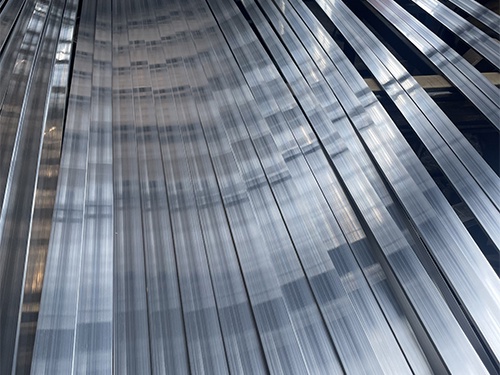
Chamfered aluminum busbar designs are gaining attention because a small edge detail can influence safety, assembly speed, and long-term electrical stability. In aluminum-based power systems, smoother corners help reduce handling risks while supporting clean fits inside compact equipment, cabinets, and distribution layouts.
Why the chamfer matters
A chamfer is the beveled edge added to a busbar after forming or machining. It seems minor, yet it changes how the bar is installed, contacted, insulated, and maintained in real operating environments.
For a Chamfered aluminum busbar, the edge treatment helps avoid burr-related problems. It also supports neater routing where busbar systems connect switchgear, inverter assemblies, grounding structures, or cabinet interconnection points.
Key benefits in industrial use
The main value is practical rather than decorative. In day-to-day use, a chamfer improves both product handling and system integration.
- Safer edges during transport, assembly, and maintenance.
- Better installation efficiency in tight mechanical spaces.
- Reduced risk of insulation damage around sharp corners.
- More consistent contact surfaces for stable conductivity.
- Improved overall finish for customized equipment assembly.
Because aluminum is low in weight, offers good thermal conductivity, and provides practical corrosion resistance, it remains a strong choice where current transmission must stay efficient without adding unnecessary system mass.
Where Chamfered aluminum busbar is commonly used
Common applications stretch across power distribution, new energy systems, rail transit, industrial electronics, cold storage equipment, construction support systems, and metallurgy facilities.
In these settings, the part may serve as a conductor, a grounding element, or a structural connection component. That flexibility explains why profiles and deep-processed aluminum parts are often specified together in one project.
How to evaluate material and processing
Selection should not stop at size and price. Alloy grade, edge finish, tolerance control, and downstream processing all affect real project performance.
For example, 1060 / 1070 grades are often considered for conductivity-focused applications, while 6063 or 6061-T6 may be preferred when structural adaptability is also important. A reference such as Aluminum busbar manufacturer can help compare options across these use cases.
This is where production capability matters. Shandong Jinhao Aluminum combines aluminum alloy R&D, production, sales, and after-sales support, with standardized quality inspection, precision extrusion, smelting, casting, and customization experience for demanding industrial projects.
Useful next checks before deciding
A good comparison starts with the operating current, installation space, connection method, corrosion exposure, and whether the busbar also carries structural requirements.
When reviewing a Chamfered aluminum busbar, it is worth checking the alloy, surface quality, chamfer consistency, conductivity target, and fit with the broader assembly. That approach makes the next step clearer: compare samples, drawings, and processing details against the actual application rather than judging the part in isolation.
Navigation
Send Us A Message
Professional field of aluminum bars
24/7 before-sales and after-sales services
Comprehensive technical support