
Best Fit Applications for Conductive Aluminum Busbar
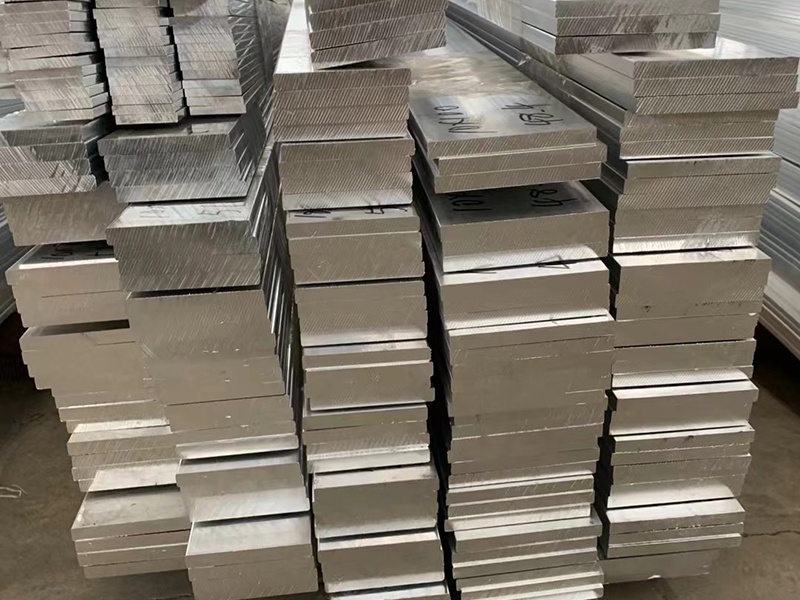
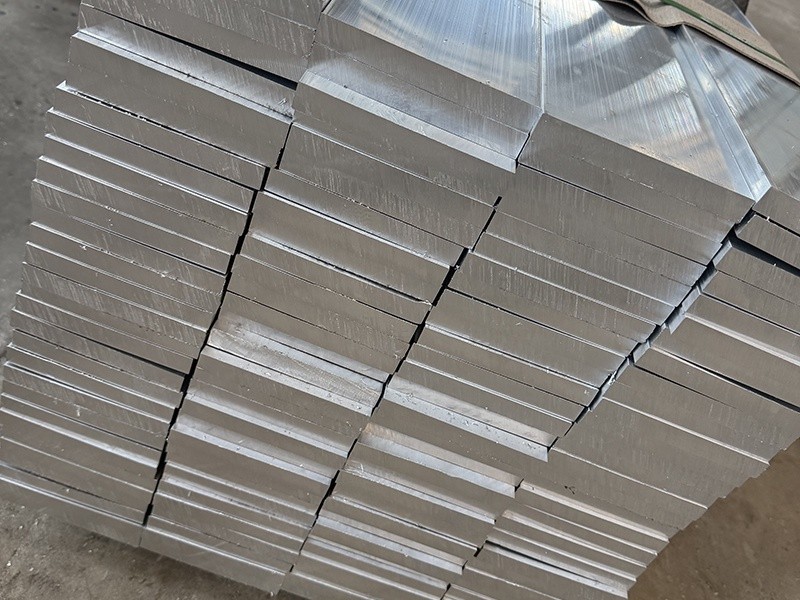
Where Conductive Aluminum Busbar Works Best
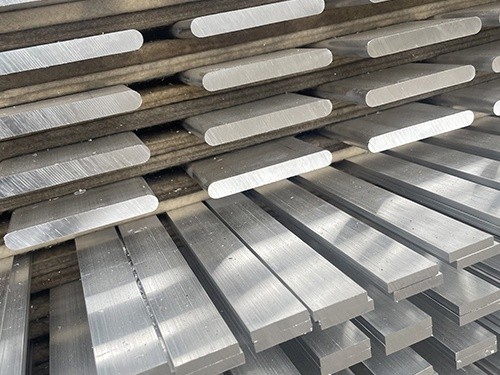
Conductive aluminum busbar is becoming a practical option for lighter, cleaner, and more efficient power distribution. It suits systems that need stable current flow without adding too much structural weight.
In daily operation, the best fit usually comes down to five things: load level, installation space, corrosion exposure, maintenance frequency, and fabrication flexibility.
Shandong Jinhao Aluminum supports these needs with standardized production, precision extrusion, smelting and casting, plus full-process inspection for reliable aluminum alloy products.
Fast checks before choosing a busbar
- Use conductive aluminum busbar where low weight matters, such as compact cabinets, rooftop systems, or transport equipment, because easier handling often shortens installation time and reduces support burden.
- Choose it for medium-to-high current distribution when surface treatment, joint design, and cross-section sizing are confirmed early, helping avoid heat rise, loose connections, and unstable performance later.
- Prefer it in humid or lightly corrosive spaces if oxidation control and protective coatings are planned, since corrosion resistance is good but contact points still need careful treatment.
- Apply conductive aluminum busbar in projects needing custom machining or bending, because aluminum is easier to process and can fit equipment layouts without excessive fabrication complexity.
- Avoid using it blindly in extremely tight thermal zones unless ventilation, spacing, and insulation are reviewed, as heat buildup can cancel out the efficiency advantage of a smart conductor choice.
Common application scenarios
Electrical switchgear and control cabinets are one of the most natural uses for conductive aluminum busbar. Weight savings make assembly easier, especially when multiple levels or long routing paths are involved.
The key is connection quality. Contact surfaces should stay clean, torque values should be consistent, and mixed-metal joints need proper isolation to reduce long-term resistance problems.
New energy systems are another strong match. Conductive aluminum busbar works well in solar combiner systems, inverter connections, battery energy storage, and charging-related distribution structures.
These systems often need lightweight materials plus corrosion resistance. That combination helps during installation and also supports easier long-run maintenance in exposed or semi-exposed environments.
Automated production lines and equipment frames also benefit. In these setups, conductive aluminum busbar can simplify internal power paths while matching lightweight machine structures and modular designs.
For related support parts, round-stock materials may also be useful. A flexible option like Aluminum rod can support fixtures, connectors, or custom-machined electrical support components.
What often gets overlooked
- Do not judge conductive aluminum busbar by conductivity alone; installation quality, contact pressure, and joint protection usually decide whether the system stays efficient after months of operation.
- Check expansion behavior in long runs, especially where temperature changes are frequent, because aluminum movement can affect bolt stability and alignment if support spacing is poorly planned.
- Review coating, plating, or surface finishing needs early, since untreated contact areas may increase resistance, while over-treated surfaces can create assembly issues if specifications are unclear.
Simple comparison points
A practical way to decide
If the system needs reduced weight, decent corrosion behavior, and easier fabrication, conductive aluminum busbar is often a very sensible match. It becomes even more attractive in custom industrial layouts.
The safest next step is simple: confirm current load, environment, joint method, and maintenance access first. Then match the busbar design with proven aluminum processing support from an experienced supplier.
Navigation
Send Us A Message
Professional field of aluminum bars
24/7 before-sales and after-sales services
Comprehensive technical support