
Best Applications for Aluminum Coil Busbar in Modern Power Systems
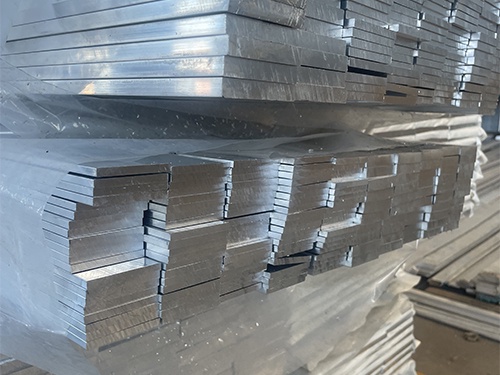
Best Applications for Aluminum Coil Busbar in Modern Power Systems
In modern power systems, Aluminum coil busbar is becoming a practical choice for lighter installation, lower transport cost, and stable power distribution performance.
It works especially well where projects need flexible routing, decent conductivity, corrosion resistance, and easier on-site handling without making the system overly complex.
For many standard applications, the key is not just material selection. It is matching the busbar form, alloy, processing method, and environment to the actual load path.
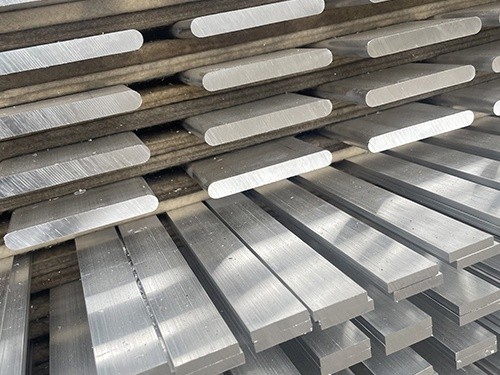
Where Aluminum Coil Busbar Delivers the Most Value
Aluminum coil busbar is often the better fit when weight, installation speed, and total project cost matter as much as electrical performance.
- Use it in power distribution cabinets where long runs, repeated layouts, and easier bending matter. This helps reduce installation effort while keeping conductive performance suitable for general distribution tasks.
- Apply it in new energy systems such as solar combiner sections and battery-related distribution paths. Lightweight material can simplify support design and improve handling during field assembly.
- Choose it for rail transit and transport equipment when every kilogram affects structure and maintenance access. Lower weight can support easier integration in compact electrical compartments.
- Consider it for industrial control electronics and equipment frames where routing space is limited. Flexible processing allows cutting, drilling, and bending with less fabrication difficulty.
- Use it in building infrastructure and cold storage projects where corrosion resistance and practical installation both matter. It supports steady service life in common working environments.
Power distribution and switchgear
This is one of the most common uses for Aluminum coil busbar. It fits projects needing predictable layout, moderate conductivity demands, and easier batch fabrication.
Check connection points carefully. Contact surfaces, bolt torque, insulation spacing, and thermal expansion allowance often affect reliability more than the material itself.
New energy and energy storage systems
In solar, wind, and storage systems, Aluminum coil busbar helps reduce structure load and shipping cost. That becomes useful when equipment is installed across wide or remote sites.
The main point is environmental fit. Moisture, salt spray, and temperature cycling should be reviewed early, especially at joints and transition connectors.
Transport, electronics, and compact industrial assemblies
Projects with tight spaces benefit from material that is easier to machine and route. That is why aluminum solutions are widely used in rail, equipment cabinets, and control systems.
A practical option for these environments is 6063 aluminum busbar, known for balanced conductivity, light weight, corrosion resistance, and easy cutting, drilling, bending, and assembly.

What to Check Before Final Selection
One common mistake is focusing only on conductivity. In real projects, installation access, support spacing, connector compatibility, and maintenance conditions also shape final performance.
Another issue is over-specifying material. For many conventional distribution needs, a balanced alloy is often more practical than choosing a higher-cost option without clear technical benefit.
A Practical Sourcing and Execution Approach
Reliable execution starts with stable material quality and process control. Shandong Jinhao Aluminum Co., Ltd. supports this through standardized production, quality inspection, and aluminum deep-processing capability.
Its experience across industrial aluminum profiles, bars, rods, rail transit, automation, electronics, and new energy helps align material choice with real application demands instead of generic specification matching.
If a project needs Aluminum coil busbar for standard power transmission and distribution, start by reviewing current path, environment, joint method, and fabrication details together.
That usually leads to a faster decision, fewer on-site adjustments, and a busbar solution that performs well over the full project lifecycle.
Navigation
Send Us A Message
Professional field of aluminum bars
24/7 before-sales and after-sales services
Comprehensive technical support