
Aluminum Rod vs Bar: Key Differences
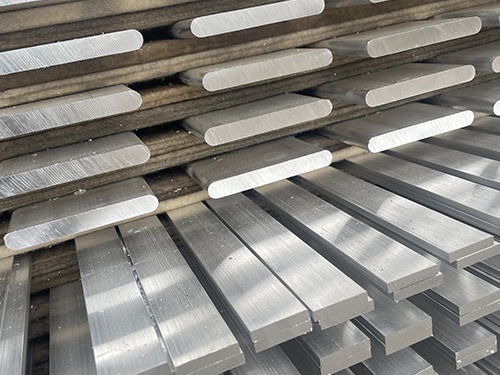
Choosing between an aluminum rod and an aluminum bar is not just a naming issue. It affects machining efficiency, fit tolerance, load performance, waste rate, and overall purchasing cost. In most industrial buying and engineering scenarios, the fastest rule is this: if the material is defined mainly by a round cross-section, it is typically a rod; if it is defined by square, rectangular, flat, or other non-round cross-sections, it is generally treated as a bar. However, the practical decision goes further than shape alone. Tolerance, manufacturing method, end use, and downstream processing all matter.
For engineers, buyers, project managers, and quality teams, the real question is not “rod or bar?” but “which form gives the required performance with the lowest processing and sourcing risk?” This guide explains the key differences clearly so you can make that choice with confidence.
What Is the Main Difference Between Aluminum Rod and Bar?
The most direct difference is cross-sectional shape.
- Aluminum rod: usually round in cross-section.
- Aluminum bar: usually square, rectangular, flat, hexagonal, or other non-round solid forms.
In real-world supply and procurement, terminology can sometimes overlap, especially across regions or suppliers. Some sellers may loosely classify round solid material under both categories. That is why buyers should confirm not only the product name, but also the exact dimensions, alloy, temper, tolerance standard, and intended application.
If your application involves shafts, pins, turned parts, fasteners, connectors, or rotational machining, rod is often the better fit. If your application needs structural support, brackets, frames, tool bases, machined blocks, or flat-cut components, bar is often more suitable.
Why the Difference Matters in Engineering and Purchasing
Many searches for aluminum rod vs bar are driven by a practical concern: avoiding the wrong material choice. A wrong selection can create several issues:
- Higher machining time and tool wear
- Unnecessary material waste
- Overpaying for precision you do not need
- Insufficient strength or poor fit in the final assembly
- Inspection failures due to tolerance mismatch
- Supply delays caused by unclear specifications
For procurement teams, the distinction affects quote accuracy and supplier comparison. For technical evaluators, it affects manufacturability and mechanical performance. For quality and safety personnel, it affects dimensional consistency and compliance with usage requirements. In short, understanding the difference reduces risk across the full project cycle.
Shape, Dimensions, and Cross-Section: The First Screening Step
Shape is the easiest way to identify whether you need rod or bar.
- Rod is mainly chosen when round geometry is required from the start.
- Bar is selected when flat surfaces, edges, or specific profile geometry are needed.
Common examples include:
- Round rod: CNC turning, shafts, spacers, bushings, dowels
- Flat bar: support plates, mounting strips, reinforcement parts
- Square or rectangular bar: machined blocks, brackets, frameworks, fixtures
- Hex bar: fittings, fasteners, wrench-contact parts
This first screening step already answers many sourcing questions. If the final part begins as a rotating or cylindrical component, rod often saves time. If the final part needs flat surfaces or edge reference planes, bar usually offers better material efficiency.
Rod vs Bar in Machining: Which One Saves More Time and Cost?
This is one of the most important decision points for users and buyers.
Aluminum rod is usually more efficient for turned parts. If the part will be produced on a lathe and finished as a round component, starting from round stock reduces excess cutting. That means:
- Less material removal
- Faster cycle time
- Lower tool wear
- Better cost control in high-volume machining
Aluminum bar is usually better for milled, cut, or flat-feature parts. If the part requires slots, flat faces, rectangular geometry, or plate-like sections, bar stock can reduce rework and improve clamping stability during machining.
For example:
- A motor shaft blank is typically better made from round rod.
- A mounting bracket blank is usually better cut from flat or rectangular bar.
So the right question is not which product is “better” overall, but which stock form is closer to the final part geometry.
Mechanical Performance: Is a Rod Stronger Than a Bar?
Not automatically. Strength depends more on alloy, temper, and loading direction than on product name alone.
However, shape influences how force is distributed in actual use:
- Round rod often performs well in applications involving torsion, rotation, or multi-directional stress distribution.
- Flat or rectangular bar may be more suitable where broad contact surfaces, directional stiffness, or mounting stability are required.
Important factors include:
- Alloy grade
- Temper condition
- Cross-sectional area
- Load type: tension, bending, torsion, compression
- Corrosion environment
- Joining method
For instance, a larger flat bar may outperform a small rod in bending resistance for a given assembly, while a rod may be superior for a rotating shaft application. Mechanical suitability should always be judged by the service condition, not by category alone.
Tolerance and Surface Finish: What Quality Teams Should Check
Dimensional tolerance is often where purchasing mistakes happen. Two products may have the same nominal size but very different tolerance levels depending on production route and specification.
Quality and technical teams should confirm:
- Diameter or width/thickness tolerance
- Straightness
- Surface finish
- Edge condition
- Length tolerance
- Alloy and temper certification
- Applicable production or inspection standard
Rod used for precision turning may require tighter diameter control and better straightness. Bar used in structural or general fabrication may prioritize dimensional stability across width and thickness. If the supplier only gives a broad commercial description without measurable tolerances, the buyer should request clearer technical documentation before ordering.
Manufacturers with standardized process control and inspection systems are generally better positioned to supply consistent industrial materials. Companies such as Shandong Jinhao Aluminum Co., Ltd., which focus on aluminum profiles, bars, rods, and customized processing, can be useful for projects requiring both standard supply and tailored specifications. Where suitable, buyers may also review related sourcing references such as 无 during early comparison.
Application-Based Selection: When Should You Choose Aluminum Rod?
Choose aluminum rod when the end use is centered on round geometry or rotational processing. Typical cases include:
- Shafts and axles
- Pins and dowels
- CNC turned components
- Electrical connectors
- Fastener blanks
- Spacers and bushings
- Parts requiring uniform radial dimensions
Rod is often preferred when:
- The final part is cylindrical
- Lathe processing is the main manufacturing method
- Rotational balance matters
- Material waste from square stock would be too high
In industries such as automation equipment, transport components, electronics, and new energy systems, round stock is commonly selected for precision-machined parts where geometry and processing efficiency must align.
When Is Aluminum Bar the Better Choice?
Choose aluminum bar when the application requires flat surfaces, block-like geometry, directional support, or easier cutting into non-round parts.
Typical uses include:
- Structural supports
- Mounting brackets
- Machine fixtures
- Base components
- Frames and reinforcement members
- Milled components with planar faces
- Parts cut into rectangular or polygonal blanks
Bar is usually better when:
- You need easier clamping in milling operations
- The part includes multiple flat reference surfaces
- Assembly design benefits from width and thickness control
- Material utilization is better from a non-round solid section
This is especially relevant in mechanical equipment, production lines, industrial tooling, and fabricated assemblies.
How Buyers Can Compare Quotes Correctly
Price comparisons often become misleading when one supplier quotes rod and another quotes bar without matching all technical details. To compare fairly, procurement teams should align the following:
- Exact shape and dimensions
- Alloy and temper
- Tolerance requirements
- Surface condition
- Standard length or custom cut length
- Minimum order quantity
- Inspection and certification requirements
- Packaging and logistics method
Ask suppliers these practical questions:
- Is this item produced by extrusion, rolling, drawing, or casting?
- What tolerance standard applies?
- Is the stock intended for machining, structural use, or general commercial use?
- Can chemical composition and mechanical property documents be provided?
- Are custom dimensions or deep-processing services available?
These questions reduce hidden cost risk and make quote comparison more meaningful.
Common Mistakes to Avoid
- Choosing only by name: product naming varies by market and supplier.
- Ignoring machining method: wrong stock form increases cycle time and scrap.
- Skipping tolerance review: nominal size alone is not enough.
- Over-specifying precision: tighter tolerances may raise cost unnecessarily.
- Under-specifying quality requirements: this can lead to fit, safety, or assembly issues.
- Not considering logistics: long bars or rods may require special transport or cutting plans.
Another common issue is searching for “Aluminum row” instead of “aluminum rod.” While understandable, this spelling mistake can cause confusion in sourcing. Buyers should use standardized terminology in RFQs and technical drawings to avoid communication problems.
A Simple Decision Guide: Rod or Bar?
Use this quick logic:
- Choose rod if the part is round, turned, shaft-like, or rotational.
- Choose bar if the part is flat, square, rectangular, milled, or structural.
- Check alloy and temper next, because shape alone does not determine performance.
- Confirm tolerance before purchase, especially for precision or safety-critical use.
- Compare based on total processing cost, not only raw material unit price.
For buyers needing flexible supply options across industrial profiles, rods, bars, and custom processing, it can be useful to work with manufacturers that combine production capability, quality control, and after-sales support. If needed, additional product reference access may be reviewed here: 无.
Conclusion
The key difference between aluminum rod and bar is primarily the cross-sectional shape, but the best choice depends on much more than appearance. Rod is usually the right option for round, turned, and rotational parts. Bar is generally better for flat, rectangular, structural, and milled applications. The smartest decision comes from matching stock form to the final part design, machining method, tolerance needs, and total project cost.
If you are evaluating material for industrial use, do not stop at the product label. Confirm dimensions, alloy, temper, tolerance, and intended application. That approach helps engineers improve manufacturability, helps buyers control cost, and helps quality teams reduce downstream risk. In practical terms, choosing the right aluminum form at the start often saves more time and money than any later correction.
Navigation
Send Us A Message
Professional field of aluminum bars
24/7 before-sales and after-sales services
Comprehensive technical support