
Aluminum Rod Grades Explained Simply
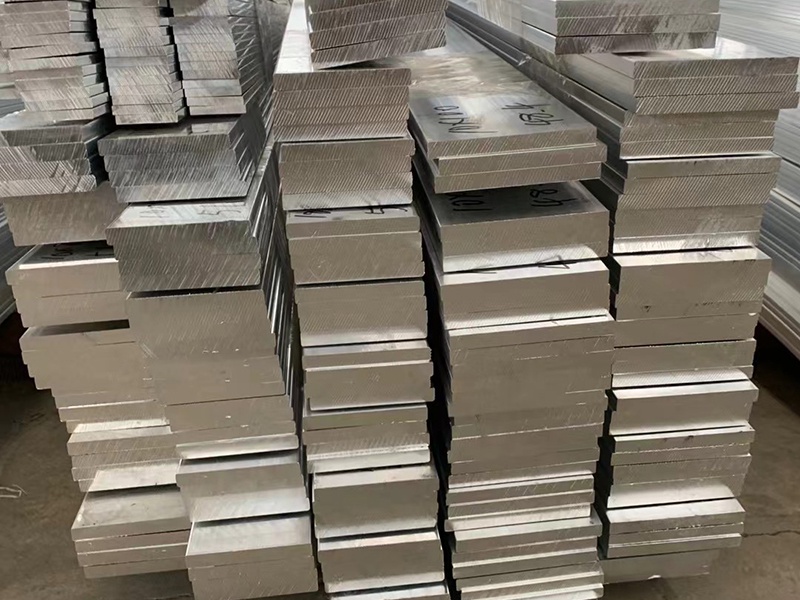
Choosing the right Aluminum row starts with understanding grades, strength, corrosion resistance, and application fit. This guide explains aluminum rod grades in simple terms, helping engineers, buyers, operators, and project decision-makers compare options faster and select reliable materials for industrial, commercial, and customized processing needs.
What do aluminum rod grades really mean in daily purchasing and engineering?
In simple terms, an aluminum rod grade describes the alloy family, chemical composition, and expected performance level of a rod used for machining, fabrication, electrical parts, structural supports, and customized components. For most buyers, the grade answers 3 practical questions: how strong it is, how well it resists corrosion, and how easily it can be processed in cutting, bending, welding, or extrusion-related operations.
Many users confuse shape, temper, and grade. A rod can be round, square, or custom processed, but the grade refers to the alloy itself. Temper, such as T4, T5, or T6, indicates the heat treatment condition. These 3 factors together determine whether a material is suitable for load-bearing parts, conductive applications, outdoor use, or precision-machined assemblies with tolerance expectations such as ±0.1 mm to ±0.5 mm depending on the process route.
For technical evaluators and quality teams, the meaning of grade goes beyond strength values. It affects dimensional stability, surface finish consistency, response to anodizing, and long-term performance under humidity, vibration, or cyclic loading. In sectors like automation equipment, rail transit, electronics, and new energy, choosing the wrong grade may create rework, delayed assembly, or avoidable maintenance within the first 6–12 months of service.
For procurement and business teams, grade selection also influences total cost. A lower-priced alloy may increase downstream machining loss, scrap rate, coating issues, or replacement frequency. That is why experienced suppliers do not recommend aluminum rod only by unit price per kilogram. They compare material properties, processing requirements, batch size, delivery rhythm, and inspection standards before confirming the right option.
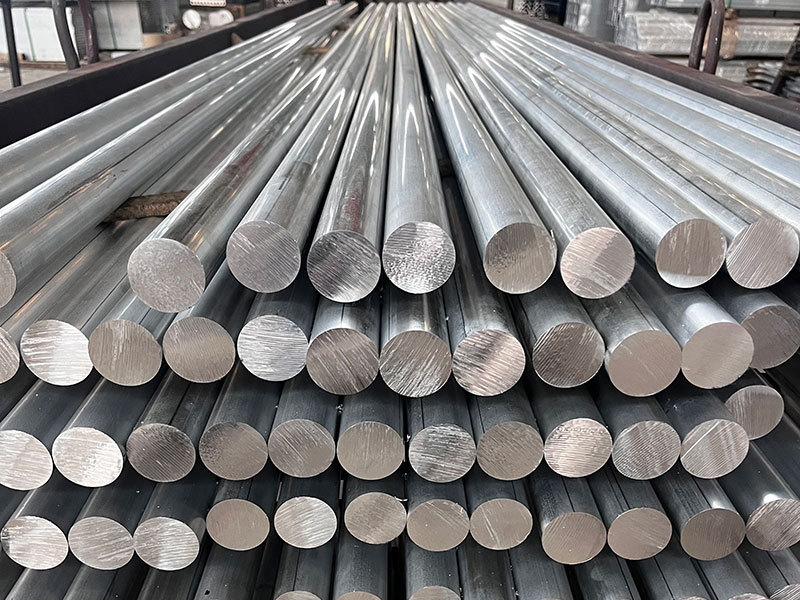
The most common grade families buyers should know
In the aluminum materials industry, buyers often encounter 1xxx, 2xxx, 5xxx, 6xxx, and 7xxx series. Among them, 6xxx series alloys are especially common for aluminum rod because they balance strength, corrosion resistance, machinability, and cost. Grades such as 6061 and 6063 are frequently discussed in industrial procurement because they fit a wide range of applications from support frames to machined parts.
- 1xxx series: high aluminum purity, good conductivity, lower strength, often used where electrical or chemical resistance matters more than load-bearing performance.
- 5xxx series: good corrosion resistance, especially in humid or marine-like environments, with moderate strength and useful weldability.
- 6xxx series: magnesium and silicon alloys, widely chosen for machining, extrusion-based profiles, rods, and general engineering parts.
- 7xxx series: higher strength range, often considered where performance demands are higher, but cost, corrosion behavior, and process compatibility must be checked carefully.
Why simple grade understanding reduces project risk
When projects involve 2–4 departments such as engineering, purchasing, quality control, and project management, misunderstandings often start with incomplete material descriptions. If a drawing says “aluminum rod” without alloy series, temper condition, diameter tolerance, and intended use, the supplier can only provide a general option. This may look acceptable at quotation stage but create problems during machining, assembly, or field use.
A clearer specification usually includes alloy grade, temper, diameter or cross-section range, required length, surface condition, application environment, and inspection focus. This basic discipline can shorten communication by 1–3 rounds, reduce approval delays, and support more accurate offers for standard supply or customized processing.
Which aluminum rod grades are commonly compared, and how do they differ?
The most common comparison in industrial use is not between every aluminum alloy on the market, but between a few practical grades that repeatedly appear in production and sourcing. For many applications, the real choice is whether to prioritize corrosion resistance, medium-to-high strength, better machinability, surface appearance, or a more cost-balanced supply plan over 1 batch, quarterly replenishment, or long-term project procurement.
The table below summarizes several commonly discussed aluminum rod grade directions in a simplified purchasing language. Exact values vary by specification, temper, and processing route, so the table should be used for screening and communication rather than as a substitute for technical confirmation or material certification documents.
From a selection perspective, 6061 is often preferred when a project needs a stronger all-round engineering material, while 6063 is often considered when appearance, extrudability, and surface quality are more important. 5xxx series may be worth evaluating when corrosion exposure is severe. If a team is comparing only price, it may miss the fact that one grade can reduce tool wear, improve yield, or simplify finishing over the next 3–6 production cycles.
A practical comparison between 6061 and 6063 aluminum rod
Because these two grades are frequently discussed in the aluminum sector, it helps to compare them directly. The question is rarely “which one is better” in absolute terms. The right question is “which one better matches the load, finish, and processing path of this project?” That shift in thinking helps purchasing and engineering teams avoid unnecessary upgrades or under-specification.
This comparison shows why grade selection should start from function, not assumption. In many projects, both grades are technically usable, but only one creates the better balance between performance, processing convenience, and cost control. For buyers managing multiple SKUs, that distinction matters even more because material standardization can simplify inventory, inspection, and replenishment planning.
How should different users choose the right aluminum rod grade?
Different stakeholders do not evaluate aluminum rod grades in the same way. Operators focus on ease of machining and consistency. Engineers look at strength, corrosion resistance, and dimensional stability. Procurement wants supply continuity, reasonable lead time, and predictable cost. Quality managers care about chemical composition, traceability, and inspection records. A good selection process therefore needs 4 layers: application, process, compliance, and commercial feasibility.
A practical screening method starts with the service environment. Will the rod be used indoors, outdoors, or in a humid setting? Will it face static load, repeated vibration, or only light assembly positioning? Does the part require welding, threading, turning, drilling, anodizing, or direct installation? Once these conditions are clear, the team can narrow the choice from several series to 1–2 candidate grades and then confirm temper and dimensional requirements.
For project managers working against a 2–4 week production schedule, material selection also needs to align with processing capacity and delivery rhythm. A theoretically ideal grade is not ideal if it adds long sourcing delays, repeated approval cycles, or special handling steps. In many cases, choosing a grade that is stable, standard, and easier to inspect creates better overall project performance than chasing maximum property values that the final application does not actually need.
If your team needs support for selection, specification alignment, or customized processing discussion, a supplier page such as 无 can serve as a starting point for communication on dimensions, alloy directions, and service scope before moving into formal quotation and technical confirmation.
Five key checks before placing an order
- Confirm alloy grade and temper together. Saying only “aluminum rod” is not enough for reliable sourcing or inspection.
- Define the dimensional range clearly, including diameter, length tolerance, straightness expectation, and any machining allowance.
- State the application environment, such as indoor dry use, outdoor exposure, or humid operation with possible chemical contact.
- Clarify whether the rod will be cut, drilled, threaded, welded, or surface treated, because this changes the best-fit alloy choice.
- Agree on inspection documents before production, including composition verification, dimensional checks, and batch traceability needs.
A quick buyer-oriented selection table
The following table turns technical discussion into a faster procurement decision path. It is especially useful for distributors, sourcing teams, and project coordinators who need to translate application language into a shortlist within 1 working day rather than spending a full week comparing unsuitable options.
The table helps narrow choices, but final confirmation should still include drawing review, sample discussion where necessary, and inspection alignment. This is especially important for custom lengths, deep-processing requirements, or repeated supply agreements over monthly or quarterly delivery schedules.
What standards, quality checks, and supply details should not be ignored?
In aluminum rod procurement, quality problems are not always visible at first glance. A rod may look acceptable on arrival but still create issues in machining, assembly, or final use if chemical composition, temper consistency, straightness, or surface condition are not aligned with the application. That is why technical and procurement teams should define quality checkpoints before mass ordering, especially for projects involving 3 parties or more, such as end users, contractors, and distributors.
Common industry references may include alloy designation standards, dimensional inspection practices, and agreed mechanical-property documentation. Exact standard selection depends on region, customer requirement, and end-use industry. The key point is not to assume every aluminum rod on the market follows the same tolerance and documentation logic. A compliant offer should explain what is being supplied, how it is produced, and how it will be checked before shipment.
For quality control teams, 6 inspection areas are usually worth confirming: alloy grade identification, chemical composition compliance, temper status, dimensional tolerance, surface condition, and batch traceability. For projects with machining or assembly sensitivity, straightness and cutting length consistency should also be included. If rods will be used in visible installations or anodized parts, surface uniformity becomes even more important.
Lead time should also be discussed realistically. Standard aluminum rod items may move faster than customized specifications, while special diameters, cut lengths, or secondary processing can extend the cycle from a few days to 2–4 weeks depending on quantity and production scheduling. Early technical confirmation often saves more time than late-stage rush requests.
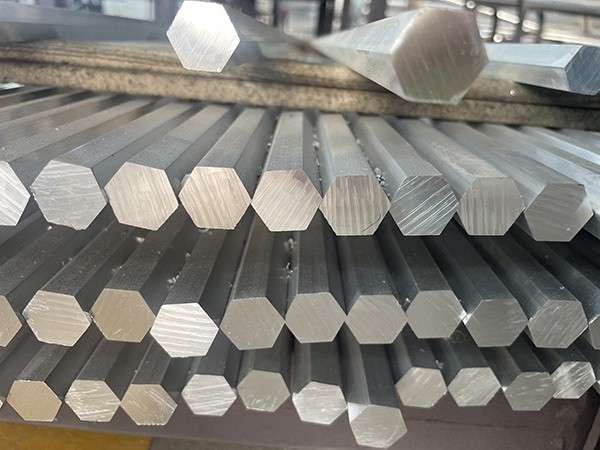
Typical quality and supply checkpoints
- Material identification: alloy series, grade, and temper must match the order and technical purpose.
- Dimensional control: diameter, length, and straightness should fit drawing or agreed commercial tolerances.
- Surface review: scratches, oxidation, deformation, or contamination need to be checked based on use requirements.
- Batch consistency: multi-batch projects should confirm whether material properties remain stable across repeated supply.
- Documentation: clarify whether the order needs material certificates, inspection records, or shipment identification.
Common mistakes that increase cost later
One common mistake is selecting by price only and leaving all technical assumptions open. Another is over-specifying a high-strength grade for a low-load part, which may increase cost without adding meaningful value. A third is failing to match the grade with the finishing process, especially when appearance or corrosion performance matters over a 12–24 month service period.
Reliable suppliers reduce these risks by integrating raw material control, smelting and casting discipline, precision extrusion capability, and standardized inspection routines. Shandong Jinhao Aluminum Co., Ltd. works with premium aluminum raw materials, full-process control, and one-stop support from consultation to after-sales service, which is valuable for customers who need both standard aluminum products and customized processing coordination across multiple application sectors.
Where are aluminum rods used, and what grade logic fits each scenario?
Aluminum rod is not limited to one market. It is used in mechanical equipment, automated production lines, rail transit, electronic appliances, new energy systems, and consumer-facing components where weight reduction and corrosion resistance matter. However, the grade logic changes from one scenario to another. A part designed for indoor equipment frames may not need the same corrosion profile as a component exposed to outdoor moisture or transport vibration over repeated cycles.
In machining-oriented applications, buyers often prefer a grade that balances cutting performance, strength, and dimensional reliability after processing. In decorative or visible uses, surface smoothness and anodizing response may take higher priority. In transport-related or outdoor sectors, corrosion resistance and long-term mechanical stability often move to the front of the decision list. This is why a “universal best grade” does not exist.
Distributors and project owners should also consider volume rhythm. Small-batch prototyping, medium-batch project supply, and large-batch repeat procurement do not create the same risk profile. For example, a small trial order can accept a longer communication cycle if it avoids specification errors, while a monthly repeat order depends more on stable quality, packaging discipline, and predictable logistics over 3–6 consecutive shipments.
A supplier with broad product coverage in industrial aluminum profiles, aluminum bars, aluminum rods, and deep-processing support can help customers align rod selection with connected components, reducing mismatch across a full assembly or system solution. That is often more valuable than buying materials separately without technical coordination.
Scenario-based thinking for faster decisions
- Automation equipment: prioritize machining stability, consistent dimensions, and moderate-to-good strength for moving or fixed machine parts.
- Rail or transport-related parts: review fatigue exposure, vibration, weight control, and environmental resistance before confirming the grade.
- Electronic and appliance components: consider surface quality, conductivity needs in some cases, and lightweight design requirements.
- New energy structures: check whether outdoor exposure, thermal cycling, or assembly convenience changes the preferred alloy direction.
FAQ: practical questions buyers often ask
How do I know if 6061 or 6063 is more suitable?
Start with the part function. If the component is more structural or machining-oriented, 6061 is often the first candidate. If the project values a smoother surface or appearance-related performance, 6063 may be worth prioritizing. Final choice should still consider temper, dimensions, and finishing requirements rather than grade name alone.
What should procurement ask for before ordering aluminum rod?
At minimum, ask for alloy grade, temper, size range, tolerance expectation, surface condition, quantity, application description, and required documents. These 7 items reduce quotation ambiguity and help both supplier and buyer align quality expectations before production begins.
Does higher strength always mean a better aluminum rod grade?
No. Higher strength can increase cost, complicate processing, or provide no real benefit if the application load is modest. The better grade is the one that satisfies performance, corrosion, process, and budget requirements together. In many industrial projects, a balanced grade creates a better total-cost outcome than a premium grade chosen without application logic.
How long does delivery usually take?
Delivery depends on whether the order is standard or customized. Common specifications may move more quickly, while custom diameters, special cut lengths, or extra processing can extend the timeline to 2–4 weeks or more depending on order volume and current production scheduling. Early drawing confirmation is one of the fastest ways to protect delivery timing.
Why choose a full-process aluminum supplier for grade selection and project execution?
When a project involves grade evaluation, customized dimensions, inspection coordination, and delivery planning, the supplier’s capability matters as much as the alloy choice itself. Shandong Jinhao Aluminum Co., Ltd. combines R&D, production, sales, and after-sales service within one operating system. That structure helps customers move from material inquiry to model selection, customization, logistics, and support without splitting responsibility across several vendors.
Its production logic is built around premium raw materials, precision extrusion, smelting and casting, and full-process standardized control. For buyers, this means discussions can focus not only on the aluminum rod grade, but also on how the material will behave in downstream machining, installation, and industrial use. That is especially useful for customers in mechanical equipment, automated lines, electronics, rail transit, and new energy projects where application details matter.
Customers looking for coordinated support can discuss 6 practical topics in one conversation: parameter confirmation, grade recommendation, dimension matching, customized processing, delivery cycle, and inspection expectations. If your team also needs to compare related aluminum products or review available service scope, you can use 无 as a reference entry for follow-up communication.
For distributors, project managers, and end users, the value of this approach is simple: fewer communication gaps, clearer responsibility, and more consistent results from sampling to repeated supply. Instead of selecting aluminum rod grades in isolation, you can align the material with the final application, project timing, and commercial target from the start.
What you can contact us for
- Confirm whether a specific aluminum rod grade fits your load, corrosion, and processing conditions.
- Compare 2–3 candidate grades for cost, availability, and practical manufacturing suitability.
- Check standard versus customized dimensions, including cut length and processing feasibility.
- Discuss lead time planning for sample orders, pilot runs, or repeated batch supply.
- Align inspection items, documentation needs, packaging expectations, and shipment coordination before order release.
Next step for buyers, engineers, and project teams
If you are comparing aluminum rod grades and want a faster, clearer decision, prepare your application scenario, size range, expected quantity, and any temper or finishing requirement. With those 4 inputs, the selection process becomes more accurate and much more efficient. This is the best starting point for getting useful advice on material choice, production feasibility, sample support, certification-related communication, and quotation planning.
Navigation
Send Us A Message
Professional field of aluminum bars
24/7 before-sales and after-sales services
Comprehensive technical support