
Aluminum Flat Bar Price Factors and Cost Saving Tips
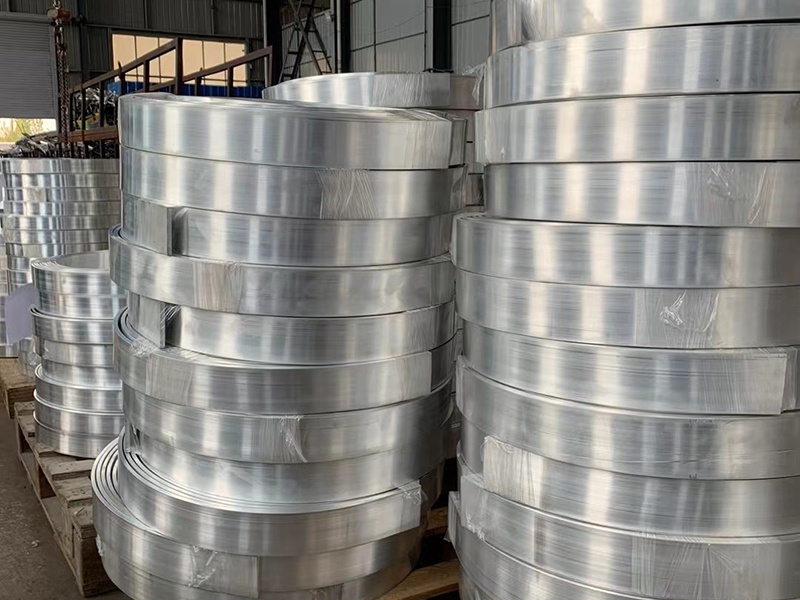
Why does Aluminum Flat Bar pricing vary so much?
Aluminum Flat Bar cost rarely moves for one reason alone. Raw aluminum prices set the base, but extrusion method, alloy grade, tolerance, and surface finish can change the quote quickly.
In practical sourcing, freight and lead time also matter. A lower unit price may become expensive if delivery is unstable or rework appears after arrival.
That is why Aluminum Flat Bar pricing should be reviewed as total landed cost, not just the first number on a quotation sheet.
Which cost factors deserve the closest attention?
The most common price drivers can be checked side by side before comparing suppliers.
A careful quote review should also include packaging, cutting service, and export logistics. Those items often explain the gap between two seemingly similar offers.
Is the cheapest Aluminum Flat Bar always the best deal?
Usually not. A low headline price can hide inconsistent chemistry, weak dimensional control, or delayed shipping. These issues raise fabrication waste and disrupt production schedules.
A more reliable approach is to compare specification match, inspection records, and production consistency. Companies with standardized smelting, casting, extrusion, and quality control often deliver fewer downstream problems.
This is where supplier background matters. Producers with integrated manufacturing and stable logistics, such as Shandong Jinhao Aluminum, can support quality consistency and smoother order follow-up.
How can you reduce Aluminum Flat Bar costs without lowering quality?
Cost saving usually comes from better specification control, not from cutting corners.
- Review whether premium alloy grades are really required for the application.
- Standardize lengths and section sizes to reduce scrap and setup changes.
- Combine recurring demand into planned batches for stronger price negotiation.
- Ask for processing options that reduce later workshop labor.
Sometimes, related aluminum components can also be sourced together. For framing, enclosures, or support structures, Aluminum square tube may be evaluated in parallel to improve transport efficiency and simplify assembly planning.
What should be confirmed before placing the order?
Before confirming Aluminum Flat Bar supply, check the points that most often create avoidable disputes.
- Exact alloy, temper, dimensions, and allowable tolerance range.
- Surface condition, cut length, packaging, and labeling requirements.
- Inspection method, certification documents, and claim handling process.
- Production lead time, port arrangement, and delivery terms.
If the project includes visible structures or light fabricated assemblies, it may also help to compare matching sections like Aluminum Flat Bar and related tube products for finish consistency.
What is the smartest next step?
Start with a clear requirement sheet, then compare Aluminum Flat Bar offers by material compliance, processing details, and logistics reliability. That gives a more accurate cost picture than price alone.
When the supplier can support consultation, customization, inspection, and delivery in one process, sourcing becomes easier to control. The best savings usually come from fewer surprises, steadier quality, and better planning.
Navigation
Send Us A Message
Professional field of aluminum bars
24/7 before-sales and after-sales services
Comprehensive technical support