
Aluminum Busbar vs Copper: Cost, Weight, and Trade-Offs
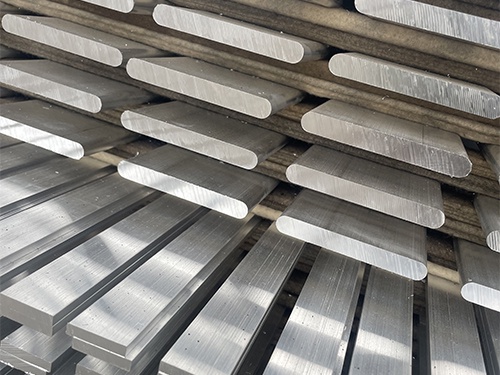
Aluminum Busbar vs Copper: what really matters in selection?
Choosing between an Aluminum busbar and copper is rarely about conductivity alone. Cost, weight, installation method, and service environment usually decide the better fit.
In practice, aluminum often wins where lighter structures, easier handling, and lower raw material cost are priorities. Copper still leads in compact, high-conductivity layouts.
That is why this comparison should be made around the whole project, not just the metal price per kilogram.
Is Aluminum busbar always cheaper than copper?
Usually yes, but the full answer is more nuanced. Aluminum busbar generally has a lower material cost, which can reduce large-volume procurement budgets significantly.
However, aluminum has lower conductivity than copper. To carry the same current, a larger cross-section is often required.
Even so, many projects still find aluminum more economical. The savings from lighter transport, easier lifting, and reduced structural load can offset the larger size.
A practical cost review should include raw material, machining, connectors, coatings, freight, and installation time.
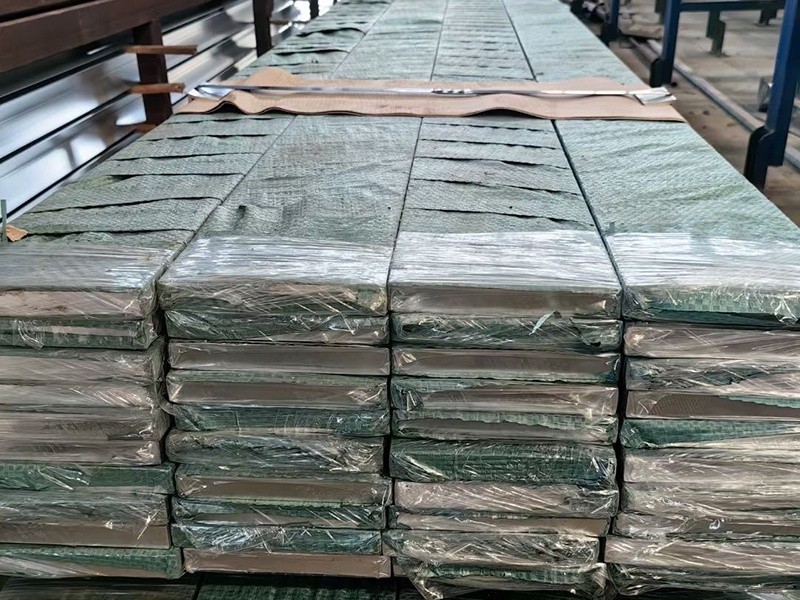
How much does weight affect busbar design?
More than many expect. Aluminum weighs roughly one-third of copper, which changes handling, support design, and overall assembly efficiency.
This matters in rail transit, new energy equipment, automated lines, and large switchgear systems. Lower weight can simplify installation and reduce mechanical stress.
For long busbar runs, lighter material may also improve logistics. Fewer lifting constraints often mean smoother on-site work.
Where does copper still have the advantage?
Copper remains strong where space is tight and conductivity must be maximized. A smaller copper section can deliver the same current in a more compact layout.
It is also preferred in some high-heat or high-connection-density applications. Connection reliability can be easier to manage when the design already centers on copper hardware.
Still, that does not make copper the default answer. If the system allows a larger section, Aluminum busbar may provide a better balance.
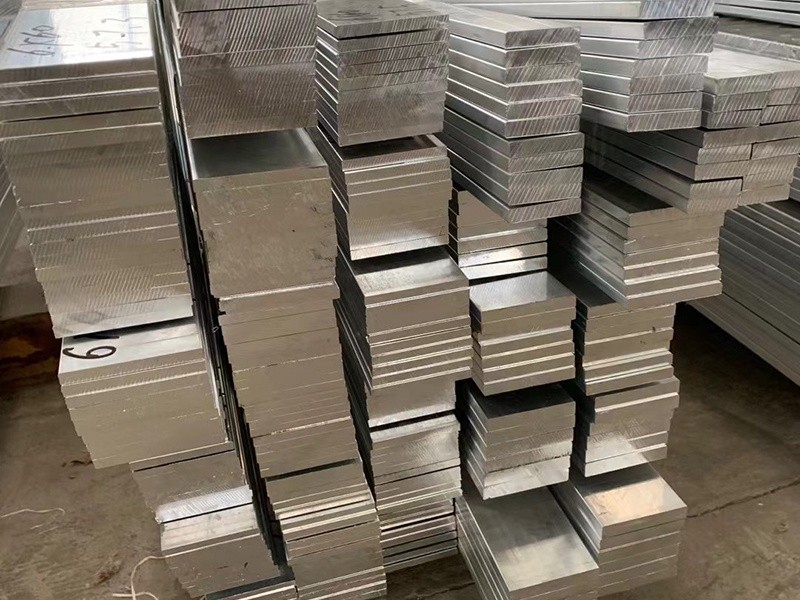
What trade-offs should be checked before placing an order?
The easiest way to compare is to review the main decision points side by side.
Need to be careful with joints, surface treatment, and thermal expansion. These details affect long-term performance as much as the metal itself.
Are there common mistakes when specifying Aluminum busbar?
Yes, and most are avoidable. A frequent mistake is comparing only conductivity tables and ignoring total installed cost.
- Using copper dimensions as a direct reference for aluminum.
- Overlooking connector compatibility and contact treatment.
- Ignoring corrosion conditions in humid or mixed-metal environments.
- Not checking fabrication quality, tolerance, and inspection standards.
In actual supply work, process control matters. Reliable extrusion, smelting, casting, and inspection help ensure stable Aluminum busbar performance.
This is where experienced aluminum suppliers add value. Companies such as Shandong Jinhao Aluminum focus on standardized production, deep processing, and application-based support.
So, when is Aluminum busbar the smarter choice?
It is often the smarter choice when weight reduction, cost efficiency, and corrosion resistance are all important. New energy, equipment manufacturing, and long distribution runs are common examples.
Copper may still be better for compact electrical rooms or designs with strict space limits. The better decision depends on current rating, layout, environment, and connection method.
A sensible next step is to compare both materials using the same operating conditions. Review section size, connection design, coating needs, transport cost, and expected service life.
Once those points are clear, the Aluminum busbar versus copper decision becomes far more objective and easier to defend.
Navigation
Send Us A Message
Professional field of aluminum bars
24/7 before-sales and after-sales services
Comprehensive technical support