
Aluminum Busbar Standards: Conductivity, Coating, and Testing
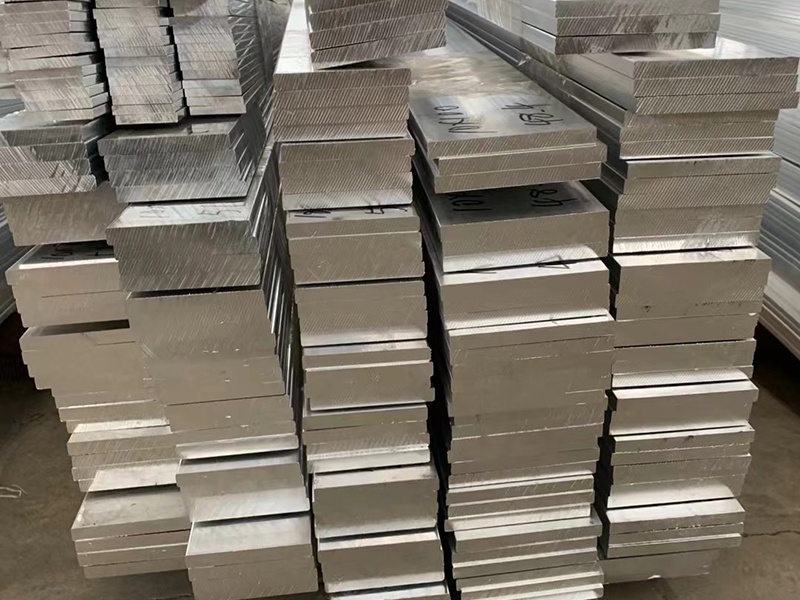
Aluminum busbar standards sit at the intersection of electrical performance, process control, and operational safety. In power distribution, rail transit, new energy, and industrial equipment, small deviations in conductivity, coating quality, or testing discipline can lead to overheating, corrosion, and service risk.
That is why Aluminum busbar evaluation is no longer limited to basic dimensions. Material consistency, surface condition, joint reliability, and traceable inspection data now matter just as much as rated current capacity.
Why standards matter in current applications
An Aluminum busbar offers low weight, good formability, and cost efficiency compared with copper alternatives. These advantages are attractive, but only when the product is manufactured and verified against clear industrial requirements.
In practice, standards help align design intent with field performance. They reduce uncertainty in electrical loss, temperature rise, insulation coordination, and corrosion resistance, especially in enclosed cabinets or humid environments.
Conductivity starts with alloy choice and process stability
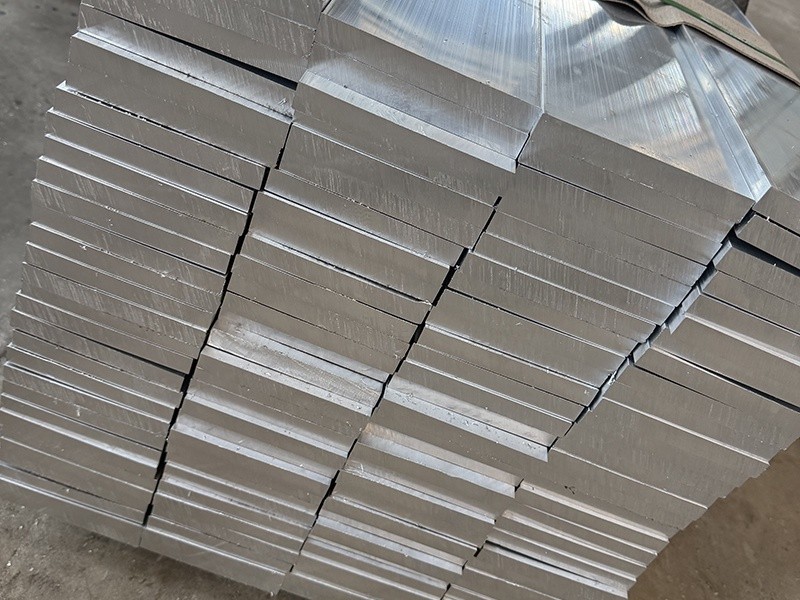
The first checkpoint for any Aluminum busbar is conductivity. It is influenced by alloy composition, temper condition, grain structure, and production quality during smelting, casting, and extrusion.
A busbar with unstable conductivity may still look acceptable visually. However, uneven resistance often causes localized heating at bends, drilled areas, or connection points.
Key conductivity concerns
- Verified alloy grade and raw material purity
- Uniform cross-section after extrusion or machining
- Stable resistivity across production batches
- Controlled temperature rise under load
Manufacturers with full-process control usually perform better here. Shandong Jinhao Aluminum, for example, combines premium raw materials, precision extrusion, and standardized inspection to support consistent aluminum alloy product performance.
Coating selection is about protection, not appearance alone
Surface treatment on an Aluminum busbar is often judged too narrowly. Coating is not just a cosmetic layer. It affects oxidation resistance, contact stability, and long-term maintenance behavior.
Depending on the application, common approaches may include anodizing, tin plating, nickel plating, or other protective finishes. The right choice depends on electrical contact design, humidity exposure, and the presence of dissimilar metals.
Testing should reflect real operating risks
A compliant Aluminum busbar should be supported by more than a certificate. Practical testing needs to confirm electrical, mechanical, and environmental reliability before installation.
Common verification methods
- Conductivity or resistivity testing for batch consistency
- Dimensional inspection for thickness, flatness, and hole tolerance
- Coating adhesion and thickness measurement
- Temperature rise testing under specified current load
- Salt spray or humidity exposure for corrosion evaluation
- Mechanical checks at bends and connection zones
More attention should also be given to test records. Repeatability, sampling rules, and traceability often reveal quality maturity better than isolated pass results.
How to judge suitability in business use
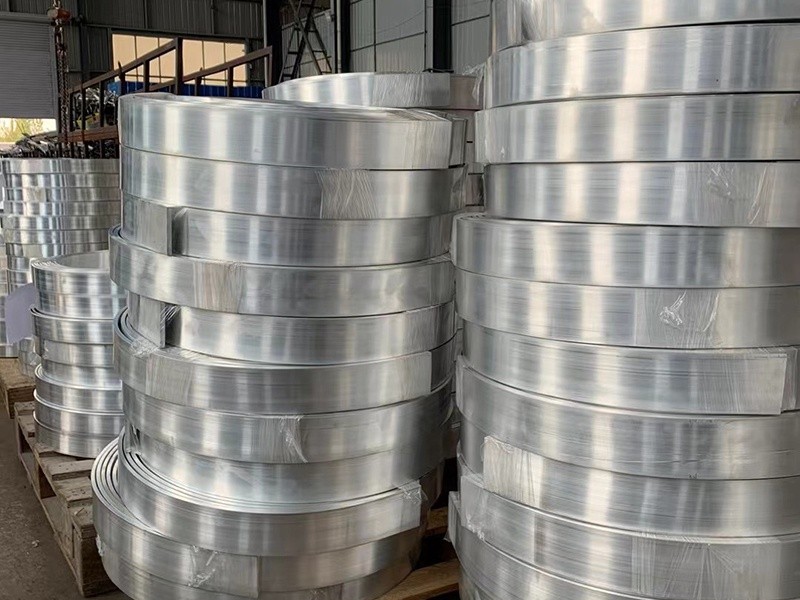
For industrial aluminum applications, the best Aluminum busbar is the one matched to the service condition. High-current cabinets, automated lines, electronics, and new energy systems do not stress materials in the same way.
A useful review starts with five points: alloy grade, conductivity data, coating system, inspection scope, and production consistency. If custom processing is involved, bend radius, punching quality, and joint layout should also be reviewed early.
Suppliers with experience in aluminum bars, rods, profiles, and deep processing can often support this step more effectively, because design, fabrication, and inspection are easier to coordinate within one system.
A practical next step
When comparing Aluminum busbar options, build a checklist around conductivity targets, coating requirements, test evidence, and application environment. That approach makes specification review more objective and reduces downstream correction costs.
Where performance stability and compliance are critical, it is worth working with an aluminum partner that combines material expertise, standardized production control, and responsive technical support across the full delivery cycle.
Navigation
Send Us A Message
Professional field of aluminum bars
24/7 before-sales and after-sales services
Comprehensive technical support