
6101 Aluminum Busbar vs Copper Busbar: Cost, Weight, and Performance Trade-Offs
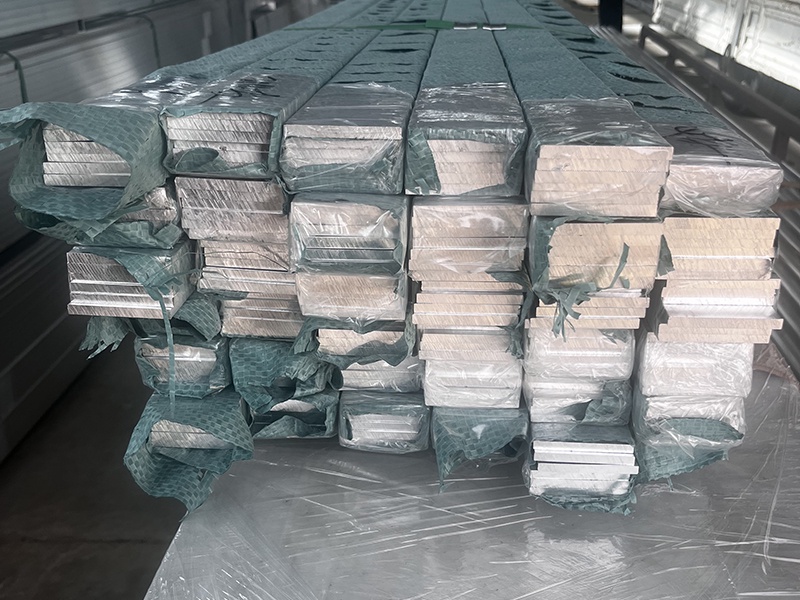
6101 aluminum busbar or copper busbar: what really matters?
The comparison is rarely about conductivity alone.
In power distribution, rail transit, and new energy systems, material choice affects budget, installation effort, and service life.
That is why 6101 aluminum busbar keeps getting attention.
It offers lower mass and lower material cost than copper, while still delivering useful electrical performance for many engineered designs.
The better question is not which metal is universally better.
It is which trade-off fits the actual operating conditions.
Is 6101 aluminum busbar mainly chosen for price?
Price is a major driver, but it is not the full story.
A 6101 aluminum busbar usually costs less per equivalent installed system than copper, especially when metal markets are volatile.
However, aluminum needs a larger cross-section to carry similar current.
So the real calculation should include material volume, connector design, coating, and assembly labor.
In many practical projects, the total still favors aluminum.
This is especially true where long bus runs make copper weight and handling more expensive.
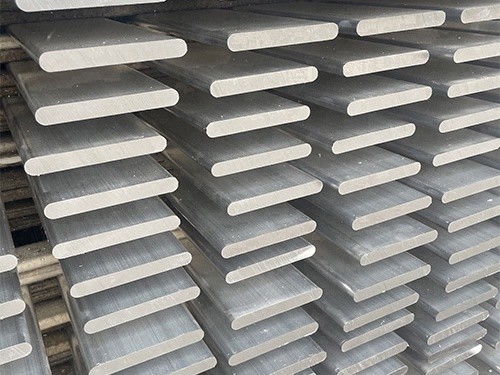
How much does the weight difference change installation?
More than many designs first assume.
A 6101 aluminum busbar is much lighter than copper busbar at comparable electrical duty.
That helps with transport, manual positioning, support structure loads, and faster installation on site.
In rail systems, switchgear assemblies, and rooftop energy equipment, lower mass can simplify the whole layout.
The same lightweight logic also explains why many fabrication projects use materials like Aluminum rod.
Good machinability, corrosion resistance, and easier handling often improve downstream efficiency beyond raw material savings.
Does copper still win on electrical performance?
Yes, in pure conductivity, copper remains stronger.
That means a copper busbar can deliver the same current with a smaller section.
But performance should be judged as a system, not as a single property.
6101 aluminum busbar is specifically used because it combines good electrical conductivity with favorable mechanical strength.
When the design allows adequate sizing and proper joints, it performs reliably in many industrial and electrical applications.
Suppliers with controlled extrusion, smelting, casting, and inspection processes usually deliver more stable results.
That manufacturing discipline is one reason companies such as Shandong Jinhao Aluminum emphasize full-process quality control and compliant production standards.
A quick comparison table helps clarify the trade-off
Where do mistakes usually happen with 6101 aluminum busbar?
Most problems come from connection details, not from the base material itself.
- Undersized sections that ignore conductivity differences
- Poor joint preparation or incorrect surface treatment
- Mixed-metal interfaces without proper protection
- Thermal expansion not considered in support design
In actual use, these issues are preventable.
The safer approach is to review electrical load, joint method, environment, and maintenance expectations together.
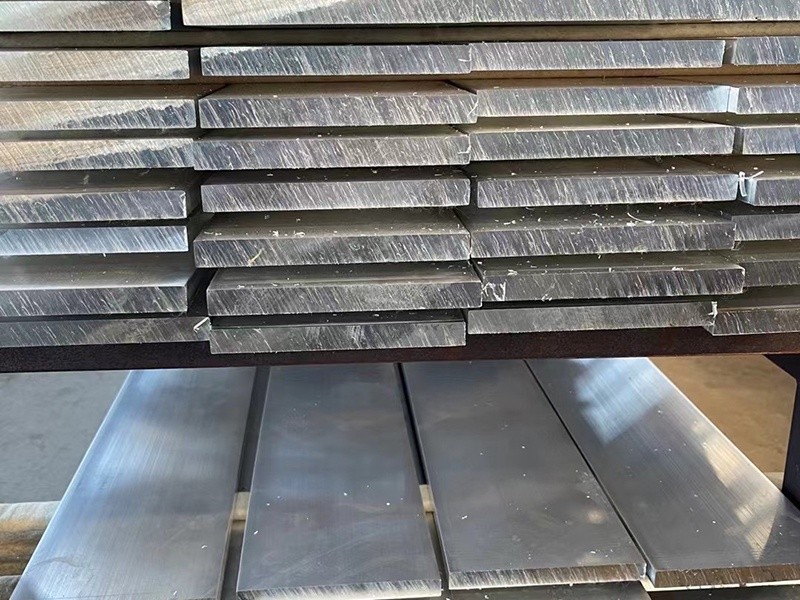
So when is aluminum the smarter choice?
Choose 6101 aluminum busbar when low weight, competitive cost, and scalable fabrication matter more than minimum cross-section.
It is often a strong option for long runs, transport equipment, renewable energy assemblies, and projects needing corrosion-resistant aluminum solutions.
Copper still makes sense where space is tight or conductivity margins are extreme.
A practical next step is to compare both materials using the same current load, temperature rise target, joint design, and installed cost basis.
That kind of side-by-side review usually makes the right answer clear.
If custom aluminum forms are also part of the broader build, related stock options such as precision-machined round profiles can support a more consistent lightweight system strategy.
Navigation
Send Us A Message
Professional field of aluminum bars
24/7 before-sales and after-sales services
Comprehensive technical support