
6101 Aluminum Busbar Standards and Specs: What to Check Before Approval
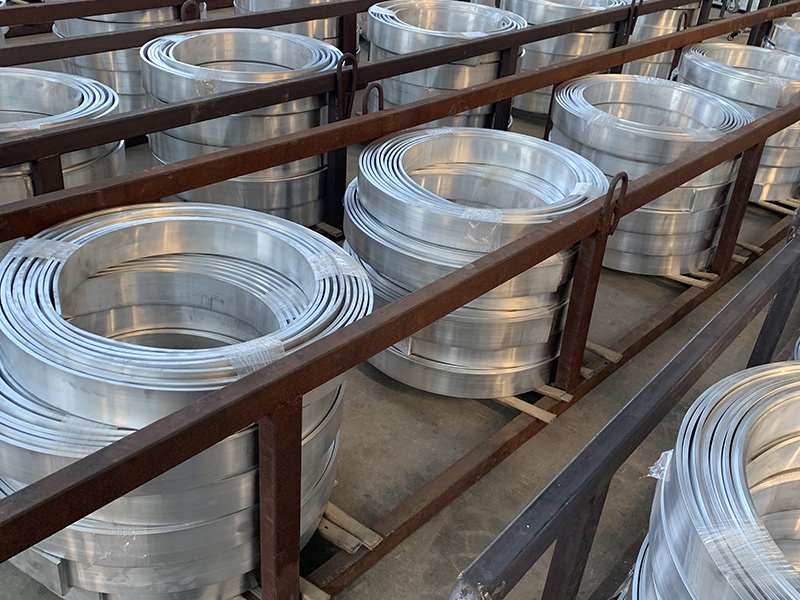
6101 aluminum busbar approval: what really needs checking?
Approving a 6101 aluminum busbar is rarely about size alone.
In electrical and industrial projects, conductivity, temper, strength, finish, and traceable compliance all affect service life and operating risk.
That is why 6101 aluminum busbar standards and specs should be reviewed as a full package before release.
In practice, experienced aluminum suppliers focus on standardized process control, raw material consistency, and inspection records, not only nominal dimensions.
This is also the approach followed by Shandong Jinhao Aluminum, where compliant production and full-process quality inspection support stable alloy performance.
Is 6101 aluminum busbar mainly chosen for conductivity?
Yes, but that is only part of the story.
6101 aluminum busbar is commonly selected when a design needs a good balance of electrical conductivity, lower weight, and usable mechanical strength.
Compared with some structural alloys, 6101 is more closely associated with electrical applications such as bus systems, connectors, and related support parts.
Still, approval should confirm the required conductivity class instead of assuming every 6101 supply performs the same.
- Verify alloy designation and temper.
- Review conductivity test data and method.
- Check whether forming or bending is required after delivery.
Confirm the operating environment, especially heat and moisture exposure.

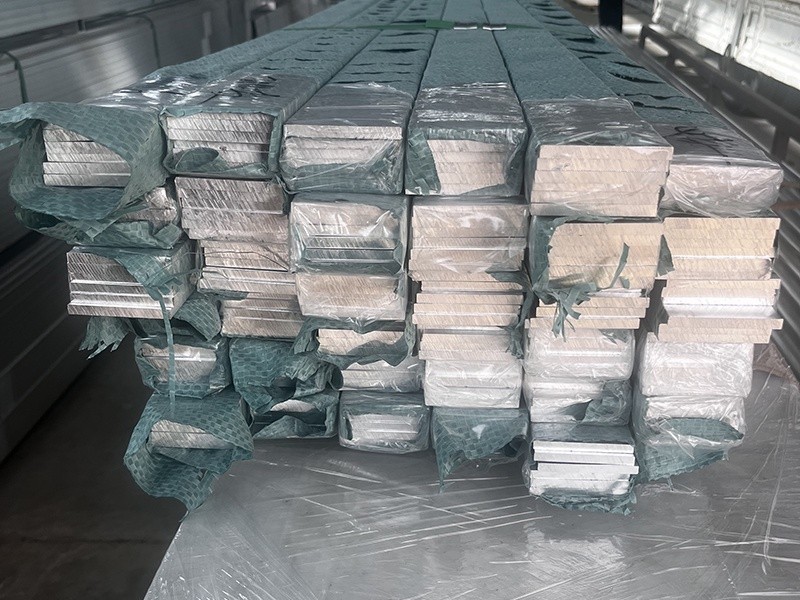
Which 6101 aluminum busbar specifications deserve the closest attention?
The most useful review is usually a specification checklist rather than a single certificate.
If the busbar will be drilled, milled, or adapted into support components, related stock forms also matter.
For example, Aluminum rod is often used in machining and custom engineering where light weight, corrosion resistance, and clean finishing potential are also valued.
How do standards and certificates help you avoid bad approvals?
A certificate helps, but only when it is specific and traceable.
For a 6101 aluminum busbar, the approval file should match the agreed standard, test report, heat number, and actual shipment markings.
More common problems appear when documents say one thing, while temper, hardness, or dimensions on site suggest another.
A reliable review usually compares material certification with incoming inspection results instead of accepting paperwork alone.
This matters even more when orders involve deep processing, extrusion precision, or custom lengths.

What defects or mismatches should stop approval immediately?
Some issues are cosmetic. Others are warning signs.
- Visible cracks, edge damage, or severe twist.
- Surface contamination affecting contact areas.
- Conductivity below the specified value.
- Temper inconsistency within the same batch.
- Missing traceability between test report and delivered material.
Needless to say, a low-price batch can become expensive if rework, overheating, or early replacement follows.
That is why 6101 aluminum busbar inspection should consider processing suitability, not just receipt acceptance.
Before final sign-off, what is the smartest next step?
Bring the review back to the application.
Check whether the 6101 aluminum busbar will face bending, machining, plating, bolted contact, or outdoor exposure.
Then compare those needs with the actual temper, conductivity, mechanical data, and surface condition.
When supply includes related aluminum stock for fabrication, consistency across forms also helps reduce processing interruptions and improve dimensional control.
A sound approval decision usually comes from three checks together: standard compliance, measured performance, and fit with the real operating environment.
If those three align, the busbar is far more likely to deliver stable long-term service with lower risk.
Navigation
Send Us A Message
Professional field of aluminum bars
24/7 before-sales and after-sales services
Comprehensive technical support