
6063 Aluminum Busbar vs Copper: Cost and Performance Tradeoffs

6063 aluminum busbar vs copper: what is the real difference?
Choosing between a 6063 aluminum busbar and copper usually starts with price, but it rarely ends there.
Weight, conductivity, corrosion behavior, fabrication and delivery stability all shape the final decision.
In practical projects, the better material is the one that matches current rating, installation limits and lifecycle expectations.
That is why 6063 aluminum busbar options are often compared with copper in power distribution, rail transit, automation and new energy systems.
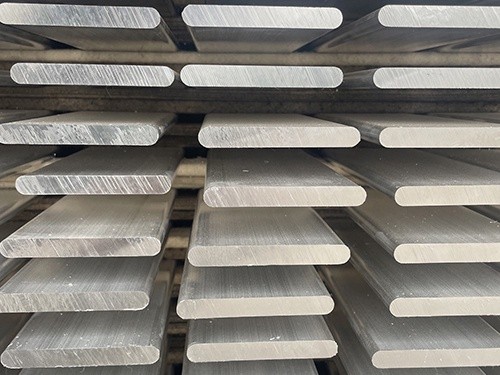
Is a 6063 aluminum busbar always cheaper than copper?
Usually yes in raw material cost, but the full answer depends on design and processing.
Copper has higher conductivity, so it can use a smaller cross section for the same current.
A 6063 aluminum busbar often needs a larger section, yet it remains lighter and commonly more economical overall.
Freight and handling can also change the math. Lighter busbars reduce transport weight and ease installation.
When supply planning matters, aluminum products may also offer more flexible sourcing and shorter replacement cycles.
Where does 6063 aluminum busbar perform well?
It performs well where low weight, corrosion resistance and fabrication flexibility matter.
6063 alloy is known for good extrudability and a clean surface finish, which helps with shaped profiles and custom dimensions.
This makes a 6063 aluminum busbar attractive for equipment frames, battery systems, inverter connections and transport applications.
In many cases, the slightly larger size is acceptable because the structure benefits from lower mass.
What performance tradeoffs should be checked before switching from copper?
The first check is current carrying capacity versus available installation space.
The second is joint reliability. Aluminum connections need proper surface preparation, compatible hardware and controlled torque.
Thermal expansion also deserves attention. Aluminum expands more than copper, so support design and connection details matter.
- Confirm required conductivity and allowable temperature rise.
- Check whether a larger section fits the enclosure.
- Review plating, joint compounds and connector compatibility.
- Compare not only unit price, but machining and installation cost.
Are there common mistakes when comparing aluminum and copper busbars?
A common mistake is comparing only by conductivity values on paper.
Another is ignoring finishing quality and process control. Busbar performance depends on alloy consistency, extrusion accuracy and inspection standards.
Producers with integrated R&D, extrusion, casting and quality control can reduce variation across batches.
That is one reason many projects prefer suppliers able to support selection, custom processing and after-sales coordination together.
With broad aluminum profile and bar production experience, Shandong Jinhao Aluminum focuses on compliant manufacturing, stable quality and practical customization rather than one-size-fits-all recommendations.
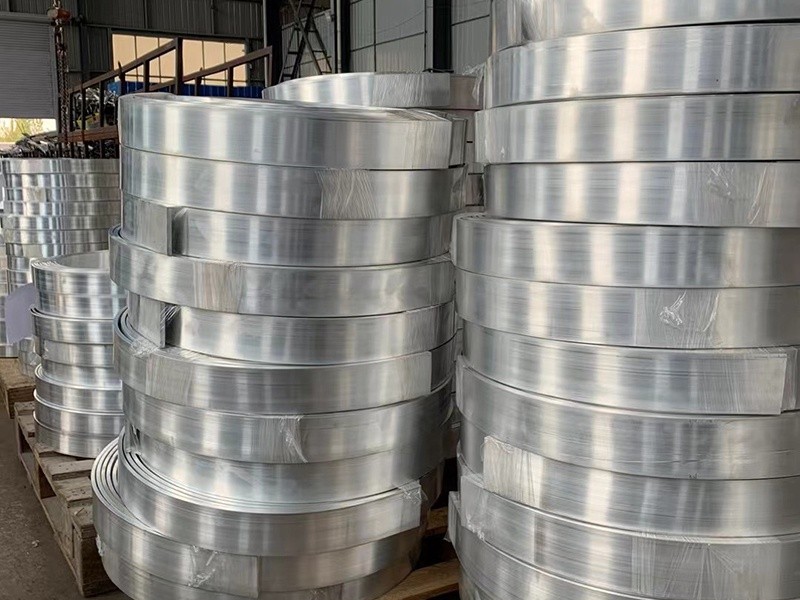
So how should the final choice be made?
If compact size and maximum conductivity are the priority, copper may still be the better fit.
If the project values lower weight, cost control and reliable custom fabrication, a 6063 aluminum busbar can offer strong overall value.
The practical next step is simple: list current, space, joint type, environment and target budget side by side.
Then compare copper and 6063 aluminum busbar options using total installed cost, not material price alone.
That approach usually leads to a clearer, lower-risk decision.
Navigation
Send Us A Message
Professional field of aluminum bars
24/7 before-sales and after-sales services
Comprehensive technical support