
6063 Aluminum Busbar: Key Properties and Typical Uses
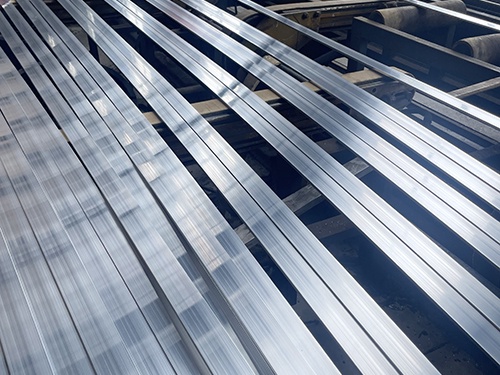
6063 aluminum busbar: why is it often chosen?
A 6063 aluminum busbar is usually selected when a project needs balanced performance rather than one extreme advantage.
It combines decent electrical conductivity, good corrosion resistance, light weight, and very strong forming performance.
In practical terms, that means easier fabrication, cleaner surface quality, and stable service in indoor or moderately corrosive environments.
This is especially useful for aluminum systems that need bending, drilling, cutting, or customized profile work.
What are the key properties that matter most?
People often focus only on conductivity, but a 6063 aluminum busbar is usually judged by several properties together.
- Good conductivity for many power distribution and grounding applications.
- Better corrosion resistance than many untreated conductive materials.
- Low density, which helps reduce structural load and handling effort.
- Excellent extrudability and surface finish for precise shapes.
- Moderate strength, suitable for many support and connection tasks.
Simplely put, 6063 is rarely the strongest aluminum alloy, but it is often one of the easiest to process well.
That processing advantage can lower waste, improve dimensional consistency, and support custom deep-processing requirements.
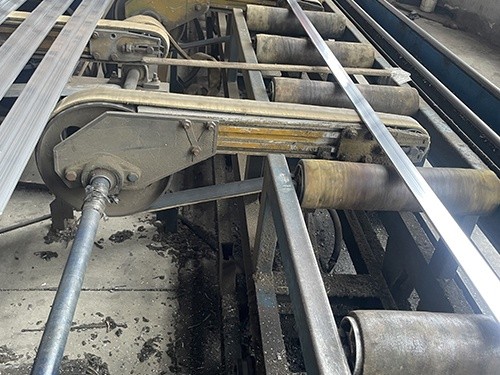
Where is 6063 aluminum busbar commonly used?
The typical uses of 6063 aluminum busbar are broader than many expect.
It appears in electrical cabinets, switchgear components, grounding systems, power connection structures, and lightweight equipment frames.
It is also seen in rail transit, automation lines, electronics, and new energy assemblies.
When the design needs shaped sections or neat surface appearance, 6063 often becomes more attractive.
That is one reason companies such as Shandong Jinhao Aluminum emphasize precision extrusion and standardized quality control.
A quick judgment table for common questions
The table below helps clarify when a 6063 aluminum busbar is a practical fit.
How does it compare with other busbar materials?
A common comparison is aluminum versus copper, or 6063 versus stronger aluminum grades.
Copper offers higher conductivity, but it is heavier and usually more expensive.
A 6063 aluminum busbar often wins where lower weight, easier forming, and cost control are more important.
Against some harder aluminum alloys, 6063 may give up strength, yet it usually provides better extrusion quality and fabrication convenience.
So the better choice depends less on theory and more on current load, mounting design, environment, and processing needs.
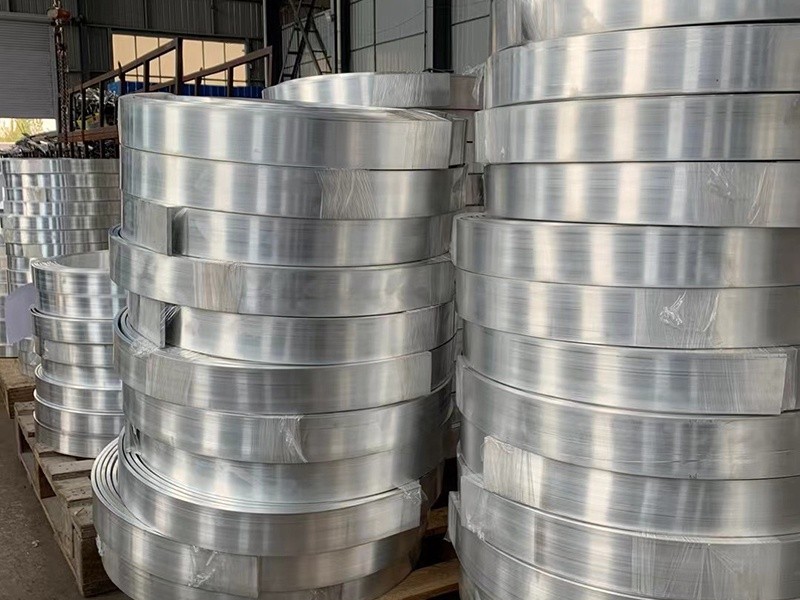
What should be checked before ordering?
This is where many mistakes happen. Material grade alone is not enough.
- Confirm temper, dimensions, flatness, and tolerance range.
- Check conductivity targets and allowable temperature rise.
- Review surface treatment, especially for outdoor or humid conditions.
- Ask about machining, drilling, bending, or custom extrusion details.
- Verify inspection standards, traceability, and delivery consistency.
In real projects, dependable supply matters as much as alloy data.
That is why integrated producers with R&D, extrusion, machining, and after-sales support can reduce coordination risk.
So, is 6063 aluminum busbar the right choice?
If the application values balanced conductivity, corrosion resistance, manageable cost, and easy fabrication, the answer is often yes.
If the design demands extreme strength or maximum conductivity, it is worth comparing other materials before final selection.
A sensible next step is to sort the actual use environment, load requirement, section size, and processing plan.
With those details clear, choosing a 6063 aluminum busbar becomes faster, safer, and more cost-effective over the full project cycle.
Navigation
Send Us A Message
Professional field of aluminum bars
24/7 before-sales and after-sales services
Comprehensive technical support