
6063 Aluminum Busbar Conductivity, Strength, and Heat Behavior
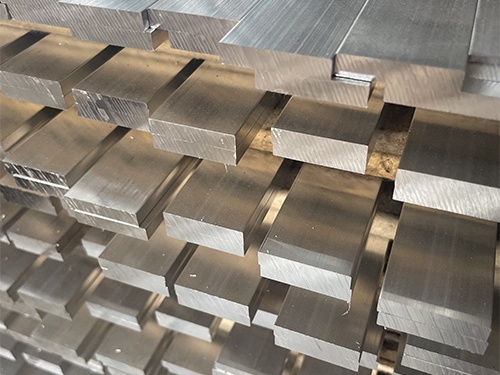
Choosing a 6063 aluminum busbar is not only about current carrying capacity. In daily operation, conductivity, mechanical stability, and heat behavior work together. A reliable choice can improve power distribution safety, reduce energy loss, and support long-term equipment performance.
Why 6063 aluminum busbar stays relevant
In many electrical systems, aluminum busbars are valued for low weight, corrosion resistance, and practical fabrication. Among common grades, 6063 is often considered when forming accuracy, surface quality, and balanced strength matter.
That makes it useful in switchgear structures, control cabinets, new energy assemblies, rail-related equipment, and compact industrial lines where both conductivity and installation convenience are important.
A practical view of conductivity
The conductivity of a 6063 aluminum busbar is lower than pure electrical aluminum, but it is still suitable for many medium-duty and structural electrical applications. The trade-off is simple: slightly lower conductivity, but better formability and stronger profile performance.
In actual use, system efficiency depends on more than alloy chemistry. Cross-sectional area, joint design, contact pressure, and surface treatment also affect resistance and voltage drop.
If the design current is high, the busbar section usually needs compensation for conductivity differences. This is often a practical and cost-effective adjustment.
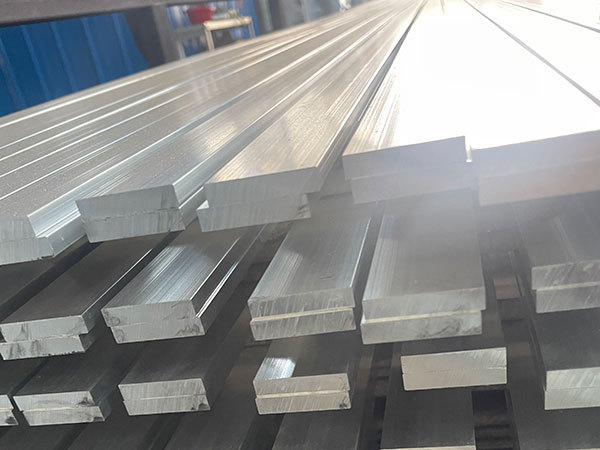
What usually influences electrical performance
- Busbar thickness and width
- Connection quality at terminals
- Oxide layer management
- Operating temperature rise
- Installation spacing and ventilation
Strength matters during installation and service
A 6063 aluminum busbar is often selected because it offers a good balance between mechanical strength and processing flexibility. It can handle bending, cutting, drilling, and assembly with more consistency than softer electrical grades.
This matters in equipment exposed to vibration, repeated maintenance, or complex routing. A busbar that deforms too easily may create alignment issues, poor contact, or local overheating at joints.
Temper condition also changes performance. For example, strength and ductility differ between common tempers, so the final application should guide material selection rather than using one default specification.
Heat behavior and operating stability
Heat behavior is a key reason to evaluate 6063 aluminum busbar carefully. When current flows, resistance generates heat. If the section is undersized or joints are poor, temperature rise can become the real risk point.
Aluminum dissipates heat relatively well, but thermal expansion must be considered. In long runs or enclosed cabinets, expansion and contraction may affect fastening stability over time.
Where material quality changes the result
For aluminum busbar applications, consistency is as important as nominal grade. Premium raw materials, stable extrusion, and controlled smelting and casting help reduce dimensional error and property variation.
This is where experienced suppliers make a difference. Shandong Jinhao Aluminum combines aluminum alloy R&D, production, sales, and after-sales support, with standardized inspection across the process.
Its capabilities in industrial aluminum profiles, bars, rods, and customized processing are relevant when a 6063 aluminum busbar must match equipment layout, machining needs, and delivery requirements.
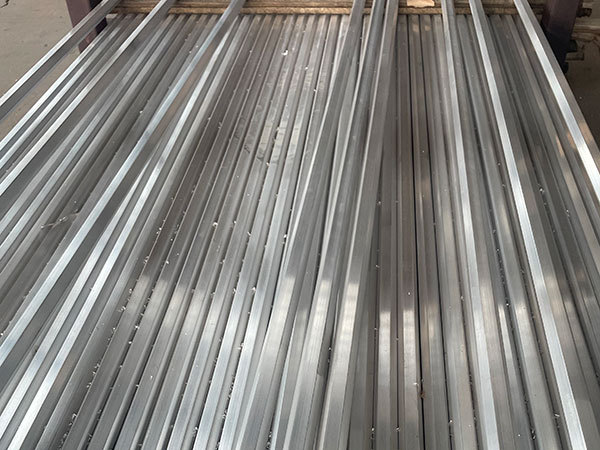
How to judge suitability before use
A sound evaluation usually starts with the real operating environment, not only the drawing. Several points deserve close attention:
- Confirm current load, peak load, and duty cycle.
- Check whether strength or conductivity is the priority.
- Review connection design and anti-oxidation treatment.
- Allow for temperature rise and thermal expansion.
- Verify dimensional tolerance and processing quality.
When these points are clarified, the value of a 6063 aluminum busbar becomes easier to judge in practical terms. The next step is to compare section size, temper, and fabrication method against the actual system layout.
Navigation
Send Us A Message
Professional field of aluminum bars
24/7 before-sales and after-sales services
Comprehensive technical support