
2026 Chamfered Aluminum Busbar Market Trends to Watch
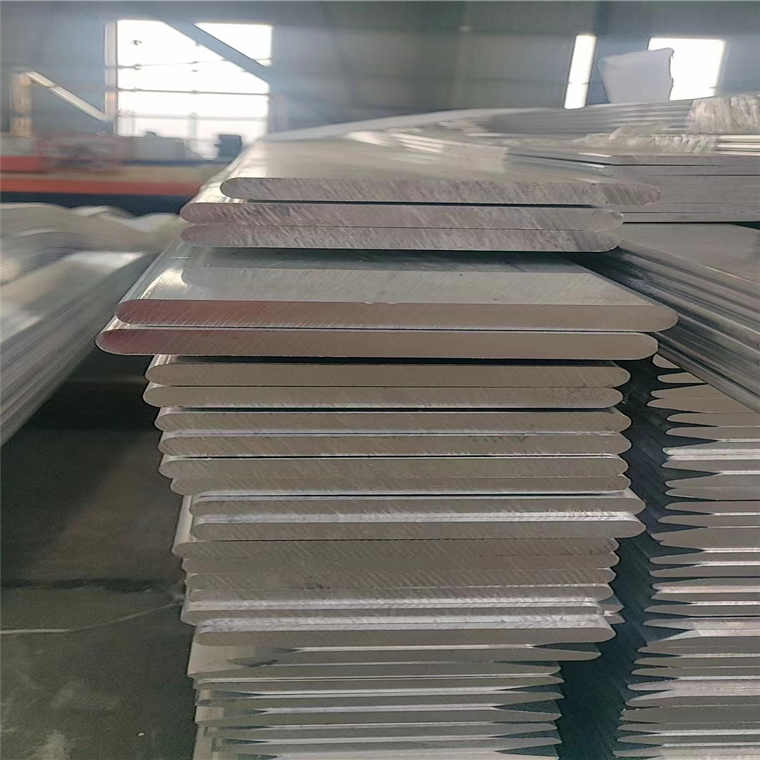
Chamfered aluminum busbar demand is shifting from basic supply to engineered value
In 2026, the Chamfered aluminum busbar market is no longer driven only by volume.
Electrification, automation, and tighter efficiency targets are changing how projects evaluate conductor components.
Chamfered edges now matter beyond appearance.
They support safer assembly, smoother cabinet interconnection, and more consistent installation in compact systems.
This makes Chamfered aluminum busbar a more strategic category across power distribution, rail transit, and new energy equipment.
The stronger signal is that buyers increasingly compare lifecycle value, not just metal price.
Why this change is becoming more visible
Several forces are converging at the same time.
- Higher power density requires stable conductivity and better thermal behavior in tighter layouts.
- Lightweight design remains important as transport, energy, and equipment makers reduce overall system mass.
- Processing precision is receiving more attention because rework costs rise when busbar fit is inconsistent.
- Supply chains are being reviewed for resilience, traceability, and compliance with industrial standards.
That combination favors suppliers with both material control and deep-processing capability.
Companies such as Shandong Jinhao Aluminum benefit from this direction.
Its integrated model, from raw material selection to extrusion, casting, inspection, and logistics, aligns with a market that values consistency more than isolated price advantage.
Demand is widening, but specifications are also getting narrower
Not every application asks for the same busbar profile.
Yet the direction is clear: more sectors want application-specific aluminum solutions with predictable processing quality.
This is where alloy selection becomes more practical than theoretical.
Grades such as 1060 / 1070, 6063, and 6061-T6 are being assessed by end-use balance, not by a single headline property.
What business evaluation should watch next
The next phase of the Chamfered aluminum busbar market will likely reward disciplined comparison.
More attention should go to machining stability, oxidation behavior, thermal conductivity, and downstream assembly compatibility.
It also helps to compare whether a supplier can support custom die work, full-process inspection, and responsive delivery.
A useful reference point is Aluminum busbar manufacturer, especially when reviewing how low-weight aluminum supports busbar systems, grounding structures, and equipment assembly.
From here, the smarter move is to track application changes first, then match them with conductivity, corrosion resistance, and processing requirements.
That approach gives a clearer view of long-term operating value in a market that is becoming more exacting, not simply larger.
Navigation
Send Us A Message
Professional field of aluminum bars
24/7 before-sales and after-sales services
Comprehensive technical support