
1070 Aluminum Busbar vs Copper: Cost and Performance Trade-Offs
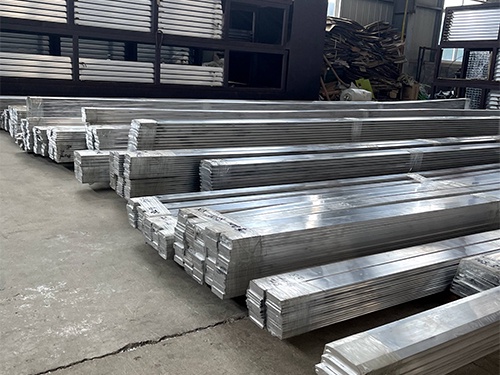
1070 Aluminum Busbar or Copper: where does the real value sit?
A 1070 aluminum busbar is often compared with copper for one reason: total project cost rarely depends on conductivity alone.
In practical sourcing, weight, corrosion behavior, transport cost, machining, and installation all influence the final decision.
That is why many industrial buyers now revisit aluminum, especially when stable performance matters as much as budget control.
Is 1070 aluminum busbar always cheaper than copper?
Usually yes on raw material price, but the smarter comparison is cost per usable design, not cost per kilogram.
Copper carries higher conductivity, so a smaller section may achieve the same current target.
Even so, a 1070 aluminum busbar often remains attractive because its lower density reduces shipping, handling, and support structure burden.
For large runs or long busbar routes, those secondary savings can become material.
How much performance do you give up with a 1070 aluminum busbar?
The main trade-off is conductivity. Copper conducts better, so it wins where space is tight and maximum compactness is required.
However, 1070 aluminum busbar offers high aluminum purity, good electrical performance, light weight, and useful corrosion resistance.
In many power distribution systems, the answer is not whether aluminum matches copper exactly.
The better question is whether it meets the current load, temperature rise, and connection design required by the application.
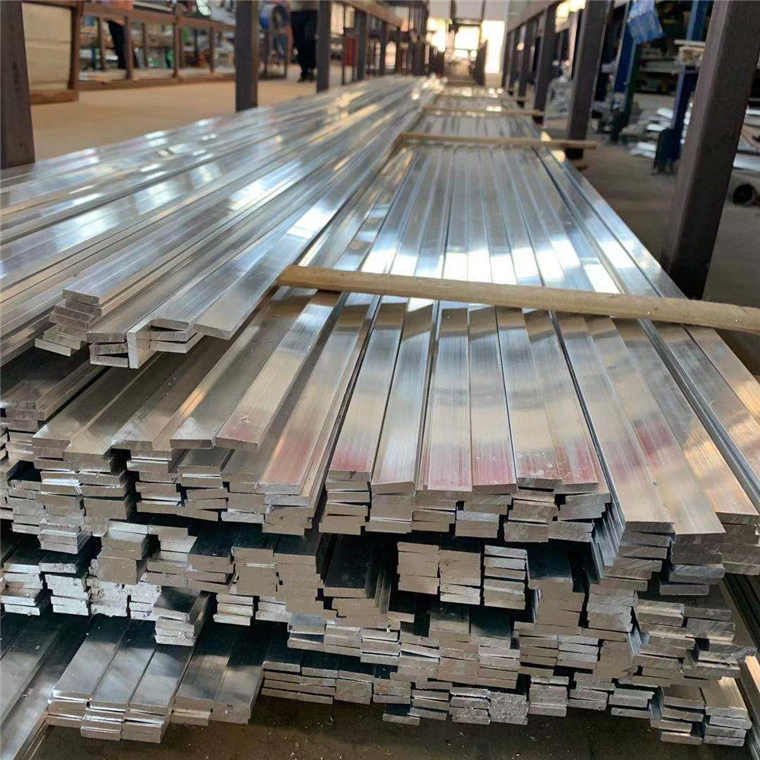
A quick decision table helps
When does aluminum become the better buying choice?
It becomes more convincing in new energy, rail transit, equipment manufacturing, and long distribution lines where lower mass improves installation efficiency.
A similar logic appears in structural aluminum applications.
For example, Aluminum square tube is valued for balanced strength-to-weight performance, corrosion resistance, and easier fabrication.
That same preference for lighter, workable aluminum often shapes busbar decisions as well.
What risks should be checked before placing an order?
Most problems come from design mismatch, not from the 1070 aluminum busbar material itself.
- Confirm cross-section sizing against current and temperature rise.
- Check joint design, surface treatment, and connector compatibility.
- Review standards, tolerances, and inspection records before shipment.
- Ask about production control and traceability for repeat orders.
Suppliers with standardized smelting, casting, extrusion, and inspection systems reduce these risks noticeably.
That matters when stable batch quality is more important than a low quoted unit price.
So how should the final decision be made?
Use copper when space is limited and top conductivity in a compact layout is essential.
Choose a 1070 aluminum busbar when lower weight, lower raw material cost, and dependable industrial performance create better total value.
In actual sourcing, it helps to compare drawings, current load, connection method, delivery cycle, and inspection standards side by side.
Manufacturers such as Shandong Jinhao Aluminum, with full-process control and custom aluminum processing experience, can support that evaluation with more practical data.
The next step is simple: define the real operating condition first, then compare aluminum and copper against the same technical checklist.
Navigation
Send Us A Message
Professional field of aluminum bars
24/7 before-sales and after-sales services
Comprehensive technical support