
1070 Aluminum Busbar Uses, Conductivity, and Key Limits
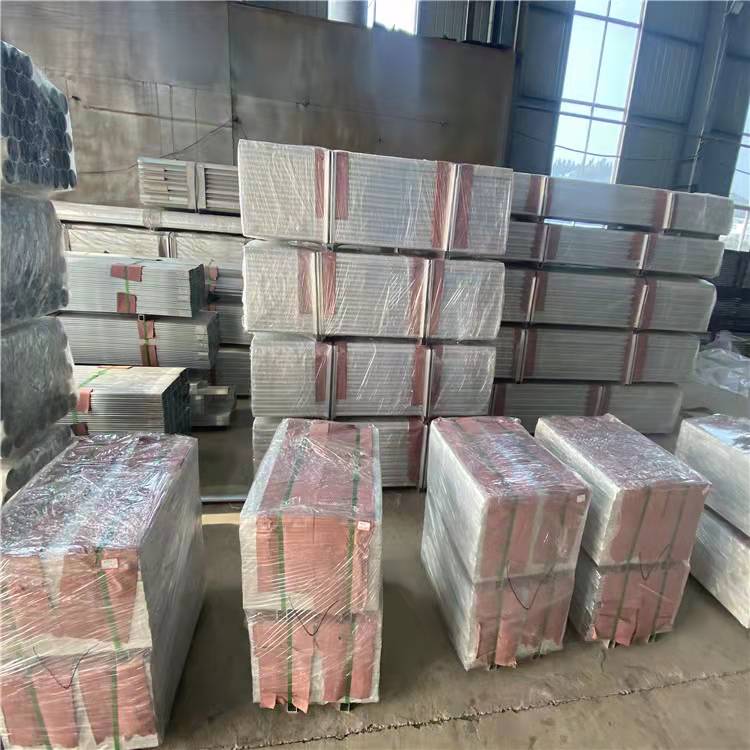
1070 aluminum busbar stands out in aluminum power components because it combines high electrical conductivity, low weight, and good corrosion resistance. In power distribution, control cabinets, and new energy equipment, that balance matters. It helps reduce system mass and supports easier fabrication, but its limits must be understood before it is used in demanding mechanical or thermal conditions.
Why 1070 aluminum busbar draws attention
The main attraction is purity. 1070 aluminum contains a very high aluminum content, which supports strong conductivity compared with many alloyed grades. That makes it relevant where current transfer is more important than structural strength.
It is also easier to handle than copper in many installations. Lower weight can simplify transport, mounting, and large-scale assembly, especially in switchgear, battery packs, and industrial power systems.
Typical uses and working context
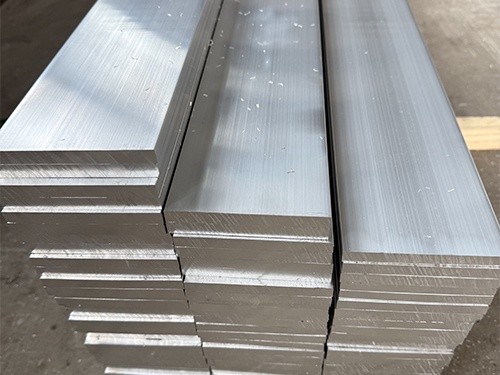
A 1070 aluminum busbar is commonly used in low-voltage and medium-duty electrical connections, transformer links, distribution panels, and renewable energy systems. It is also seen in rail transit and automation equipment where overall weight control is important.
In broader aluminum fabrication, electrical conductors are often paired with structural parts. For example, frames, guards, or enclosures may use Aluminum square tube because it offers clean geometry, corrosion resistance, and reliable fabrication accuracy without adding unnecessary weight.
Where it fits best
- Power distribution assemblies
- Battery and inverter connection systems
- Electrical cabinets and industrial control lines
- Projects needing lighter conductive materials
Conductivity is the advantage, not the whole story
When people evaluate 1070 aluminum busbar, conductivity is usually the first metric. That is reasonable, but current capacity also depends on cross-section, temperature rise, joint quality, and installation environment.
Surface treatment and connection design deserve close attention. Aluminum oxide can affect contact performance, so proper joint preparation, suitable coatings, and stable fastening methods are part of a sound selection process.
Key limits that affect selection
The biggest tradeoff is strength. 1070 aluminum busbar is not the best choice where high mechanical stress, repeated vibration, or compact support spacing dominates the design. In those cases, a stronger alloy may be more suitable.
Thermal expansion should also be considered. Aluminum expands more than some alternative conductor materials, which can influence joint stability over time. Good design can manage this, but it should not be ignored.
Companies such as Shandong Jinhao Aluminum pay attention to raw material quality, smelting and casting control, precision processing, and inspection consistency. That matters because busbar performance depends not only on grade, but also on process stability and dimensional accuracy.
A practical way to evaluate it
Start with current load, installation space, joint design, and service environment. Then compare conductivity needs against strength, temperature, and lifecycle maintenance requirements.
That approach makes 1070 aluminum busbar easier to judge on real project terms. The next useful step is to match the grade, dimensions, and fabrication method to the actual system, rather than selecting by conductivity alone.
Navigation
Send Us A Message
Professional field of aluminum bars
24/7 before-sales and after-sales services
Comprehensive technical support