
Hormuz Reopens as U.S.-Iran Peace Deal Eases Aluminum Shipping Strain
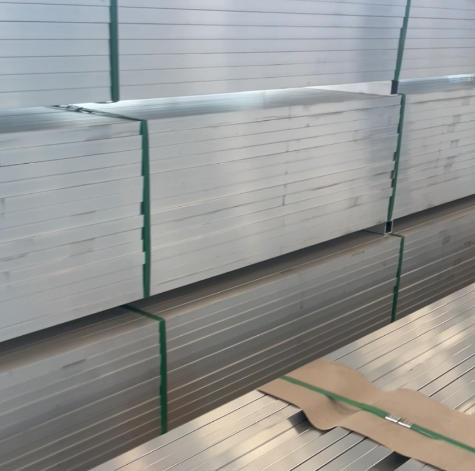
On June 14, 2026, the United States and Iran formally reached a peace agreement, and the following day the Strait of Hormuz was fully reopened, with transit fees removed and the naval blockade lifted. For the aluminum trade, this matters because the route carries about 30% of global seaborne bauxite, alumina, and aluminum flows, and recent geopolitical tension had already pushed freight capacity tighter, raised insurance costs, and extended schedules by more than 7 to 10 days. The development is especially relevant for raw material buyers, aluminum exporters, logistics providers, and customers in the Gulf, South Asia, and Europe that depend on more predictable delivery performance.
What Has Been Confirmed So Far
The confirmed facts are limited but commercially significant. The peace agreement between the United States and Iran took effect on June 14, 2026. The next day, the Strait of Hormuz was fully opened, transit charges were cancelled, and the naval blockade was removed. According to the information provided, this corridor handles around 30% of global seaborne volumes of bauxite, alumina, and aluminum products. Before the agreement, the regional conflict had led to tight vessel availability, sharply higher insurance costs, and delays exceeding 7 to 10 days. The immediate result described in the input is improved route efficiency and logistics certainty on Middle East-East Asia and Middle East-Europe lanes, with clearer benefits for the delivery stability of Chinese aluminum exporters serving Gulf, South Asia, and EU customers.
Where the Supply Chain May Feel the Change First
Pressure may ease first for raw material and metal traders
From an industry perspective, traders involved in bauxite, alumina, and aluminum cargoes may be among the first to feel the operational effect because their business is directly exposed to ocean transit time, vessel availability, and freight-related risk. The main impact is likely to appear in shipment planning, delivery timing, and transaction execution. What deserves closer attention is whether improved passage conditions translate into more reliable sailing schedules in practice.
Export manufacturers may see better delivery consistency
For aluminum processors and exporters, especially those serving customers in the Gulf, South Asia, and the EU, the most relevant change is not only speed but predictability. Analysis shows that when earlier disruptions caused delays of more than 7 to 10 days, the burden often shifted to production coordination, dispatch planning, and customer delivery commitments. With the waterway reopened, companies should watch whether route stability improves enough to support more confident order fulfillment.
Logistics and shipping service providers will need to track execution details
Supply chain service providers, including freight coordinators and related shipping support functions, may be affected through changes in routing assumptions, insurance arrangements, and timing commitments. Observably, the headline event reduces one major source of disruption, but the business impact depends on how quickly service terms, booking conditions, and schedule reliability adjust after the reopening.
Overseas buyers may reassess delivery expectations
Customers purchasing aluminum products from Chinese exporters may also be affected because the event directly relates to delivery certainty. The key business link here is inbound planning: buyers in the Gulf, South Asia, and Europe may pay closer attention to whether transit predictability improves enough to support tighter receiving schedules and procurement coordination.
What Companies Should Watch in the Near Term
Separate the policy signal from operating reality
Analysis shows that the reopening itself is a confirmed development, but companies still need to distinguish the formal policy change from day-to-day shipping execution. Businesses should monitor whether carriers, insurers, and counterparties update their operating assumptions in line with the new situation.
Review active orders and delivery commitments
For exporters and suppliers with ongoing shipments, the immediate practical issue is whether existing lead times, promised delivery windows, and customer communications should be adjusted. This is particularly relevant for orders linked to Gulf, South Asia, and EU destinations where earlier delays had weakened timing certainty.
Check contract, documentation, and coordination workflows
What deserves closer attention is whether internal and external paperwork still reflects disruption-era assumptions. Companies may need to review shipment timelines, logistics notes, insurance-related documentation, and customer-facing delivery language so that commercial documents match the current transport environment.
Keep contingency planning in place while conditions normalize
Observably, the route reopening reduces immediate pressure, but it does not remove the need for fallback planning. Enterprises involved in procurement, shipping, and export fulfillment should continue to prepare communication and scheduling alternatives until the practical improvement in transit reliability becomes more visible in routine operations.
Why This Looks Important but Still Needs Watching
As an editorial observation, this development is more meaningful than a routine shipping update because it affects a corridor that carries a large share of global seaborne aluminum-related cargo. At the same time, it is more appropriate to understand this as a clear operational easing signal rather than a fully settled long-term outcome. The confirmed facts point to lower pressure on transport conditions, but the industry still needs to watch how quickly those improvements are reflected in actual bookings, insurance treatment, and delivery performance.
How the Market May Best Read This Event
From an industry perspective, the current significance of the news lies in the reduction of supply chain friction across aluminum raw materials and finished product shipments linked to the Strait of Hormuz. It supports a more stable logistics outlook for exporters, buyers, and service providers, especially in trade flows connecting the Middle East with East Asia and Europe. Even so, the most balanced reading is that this is an important near-term improvement with potential longer-term value, while further observation is still needed before treating it as a fully normalized shipping environment.
Basis of This Article and Ongoing Verification
This article is based on the user-provided news title, event date, and event summary. For this type of industry update, relevant source categories typically include official announcements, company statements, industry association releases, authoritative media coverage, and standard-setting or regulatory documents where applicable. No specific official source link was provided in the input, so further verification remains necessary. If the market continues to respond to this development, the next points to follow are any updated official wording, operating rule changes, and whether the reported easing in shipping pressure is consistently reflected in real delivery execution.
Navigation
Send Us A Message
Professional field of aluminum bars
24/7 before-sales and after-sales services
Comprehensive technical support