
Guinea Bauxite Export Quota Takes Effect, Raising Cost Pressure on Chinese Aluminum Producers
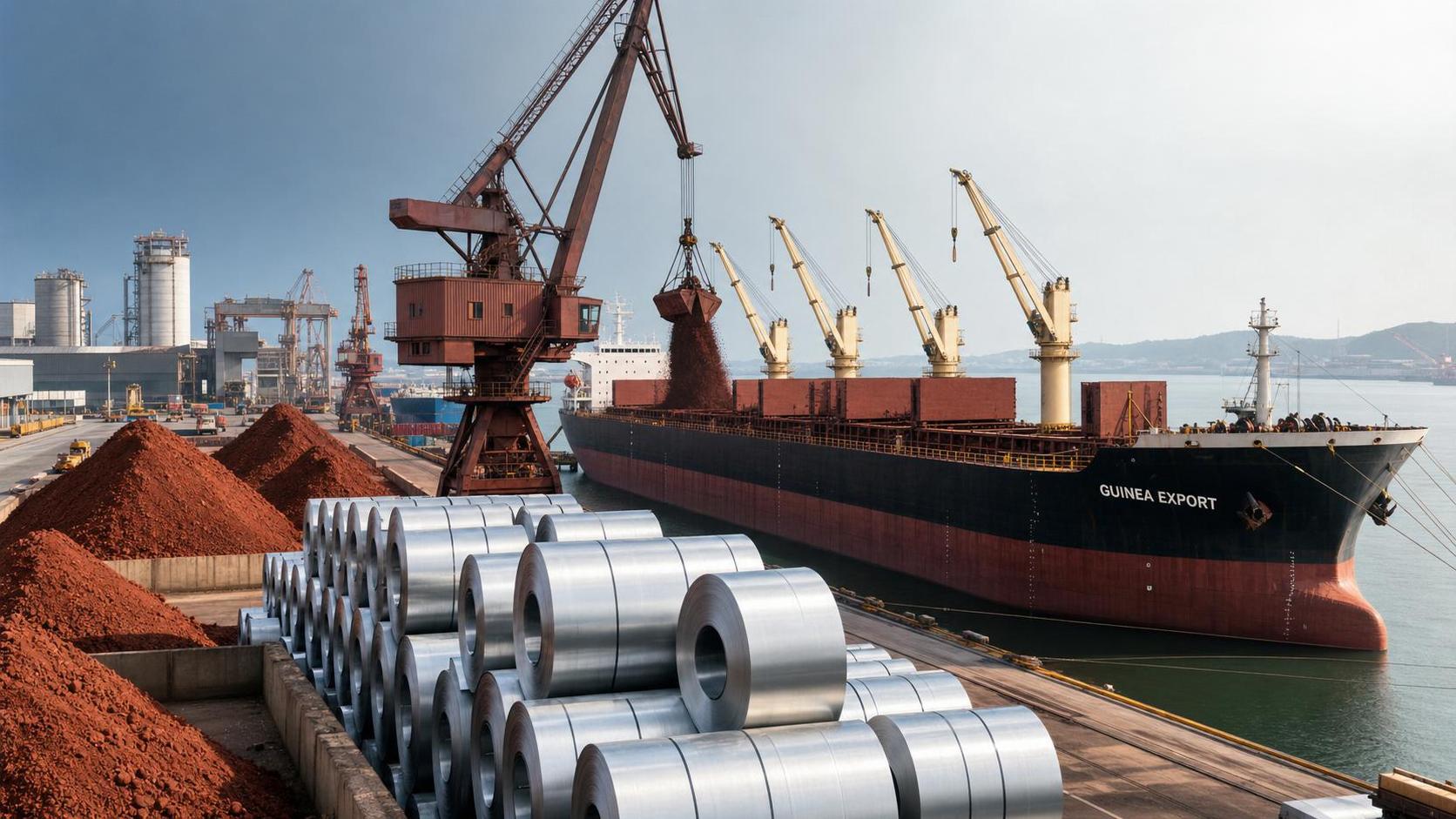
On June 24, 2026, Guinea formally put into effect an annual bauxite export quota of 150 million tonnes, a reduction of 18% from 2025, according to confirmation from the country’s Ministry of Mines and Geology. Combined with elevated Capesize freight rates of USD 38–40 per tonne, the move deserves close attention from alumina and primary aluminum supply chains, Chinese raw material buyers, and overseas importers and distributors that rely on Guinean ore, because it increases both procurement costs and delivery uncertainty.
What Has Been Confirmed Since June 24
The confirmed development is that Guinea began enforcing a total annual bauxite export quota of 150 million tonnes from June 24, 2026. The quota level is 18% lower than in 2025. The information also indicates that Capesize shipping costs remain high at USD 38–40 per tonne. Based on the event summary provided, these two factors are already adding pressure to raw material sourcing costs for Chinese alumina and electrolytic aluminum producers, while also increasing uncertainty around delivery schedules. For overseas importers and distributors dependent on Guinean bauxite supply, the reported risk is a higher likelihood of medium- to long-term instability in aluminum product supply and greater price transmission pressure.
Where the Pressure May Appear Across the Chain
Raw material purchasing becomes harder to plan
From an industry perspective, companies that procure bauxite for alumina and electrolytic aluminum production are among the most directly exposed. The reason is straightforward: a lower export quota tightens available supply from a key origin, while high ocean freight raises the landed cost of each tonne. The business impact is likely to show up most clearly in procurement budgeting, shipment scheduling, and delivery coordination. What deserves closer attention is whether cost pressure is accompanied by wider swings in delivery timing.
Traders and distributors face stronger price pass-through risk
For importers, traders, and distribution businesses that depend on Guinean material flows, the issue is not only higher input cost but also how quickly those costs can be transmitted downstream. Analysis shows that when supply stability becomes less certain, contract execution, replenishment planning, and customer pricing discussions can all become more difficult. Companies in these roles should pay particular attention to whether supply uncertainty begins to affect the continuity of orders and the timing of quotations.
Supply chain service providers may see more execution pressure
Observably, the combination of quota enforcement and expensive freight can also affect the service side of the chain, especially businesses involved in shipping coordination and delivery management. The main risk is not a confirmed logistics disruption in itself, but greater operational uncertainty around arrival timing, freight assumptions, and execution windows. That makes schedule visibility and communication discipline more important in day-to-day operations.
What Companies Should Watch Now
Track any further official clarification
What deserves closer attention is whether Guinea’s official position is followed by more detailed wording, implementation rules, or additional clarification. The current confirmed fact is the quota taking effect and its annual volume. For companies, the practical issue is whether later official communication changes the way contracts, shipment planning, or allocation expectations are interpreted in business practice.
Separate policy signal from shipment reality
Analysis shows that businesses should distinguish between the policy signal itself and the actual pace at which it affects physical supply. A quota announcement taking effect is one thing; how it translates into shipment timing, supplier commitments, and delivery certainty is another. This distinction matters for procurement teams, sales teams, and contract managers dealing with customer expectations.
Recheck delivery cycles and supporting documents
For firms already exposed to Guinean supply, it is more appropriate to focus on execution details such as delivery cycles, shipment coordination, and document readiness. The event summary points directly to higher uncertainty in supply timing, so practical review of lead times and fulfillment assumptions becomes more important than broad strategic statements.
Prepare for more difficult customer communication on pricing
Overseas importers and distributors should also watch the risk of price transmission more closely. If upstream costs rise while supply stability weakens, customer communication may become more sensitive around quotation validity, replenishment timing, and contract performance. The key issue is not a guaranteed price outcome, but a higher probability of negotiation pressure across the chain.
Why This Looks Like More Than a One-Day Headline
Observably, this development is better understood as a meaningful operating signal rather than a standalone news item. The confirmed facts already point to two simultaneous pressures: a lower export quota from Guinea and elevated freight costs. Analysis shows that this combination matters because it affects both price and delivery certainty at the same time. Even so, it is not yet appropriate to treat every downstream consequence as settled. The market still needs continued observation on how strongly the quota is reflected in actual shipments, supply continuity, and pass-through pricing behavior.
How to Read the Current Signal
At this stage, the industry significance lies in the fact that cost pressure and supply uncertainty are now appearing together in a part of the aluminum raw material chain that many buyers and intermediaries depend on. A neutral reading is that the development has immediate relevance for procurement and contract execution, while its broader impact still requires ongoing verification. It is more appropriate to understand this as an active industry signal with medium-term implications, rather than as a fully resolved supply outcome.
Basis of This Article and What Still Needs Verification
This article is based on the user-provided news title, event date, and event summary concerning Guinea’s bauxite export quota taking effect on June 24, 2026 and the resulting cost pressure on Chinese aluminum producers. For this type of industry update, commonly relevant source categories may include official government notices, company disclosures, industry association information, authoritative media coverage, and related trade documentation. A specific official source link was not provided in the input, so the exact source documentation still needs to be continuously verified. Follow-up attention should remain on any further official wording, implementation details, and signs of how the quota is translating into actual supply, delivery timing, and price transmission.
Navigation
Send Us A Message
Professional field of aluminum bars
24/7 before-sales and after-sales services
Comprehensive technical support