
China Keeps Zero Duty on High-Purity Aluminum
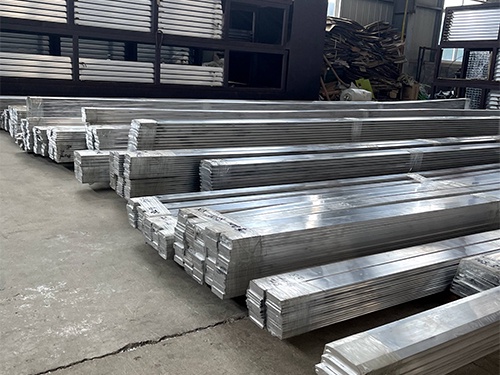
On June 13, 2026, the latest tariff notice confirmed that China will keep its temporary export tariff structure for aluminum unchanged through December 31, 2026, with 0% continuing to apply to high-purity aluminum containing at least 99.95% aluminum, while ordinary primary aluminum and unwrought aluminum alloys remain subject to a 15% temporary rate against a statutory 30%. For exporters, overseas buyers, processors, and procurement teams, this matters less as a headline change and more as a clear operating signal on pricing, product mix, contract planning, and documentation around product classification and delivery arrangements.
The policy signal now confirmed through year-end
The confirmed facts are limited but commercially important. According to the latest notice, the temporary 2026 export tariff rates for aluminum products remain unchanged. High-purity aluminum with an aluminum content of at least 99.95% continues to be subject to a 0% temporary export tariff rate. Ordinary electrolytic aluminum and unwrought aluminum alloys continue to be subject to a 15% temporary export tariff rate, while the statutory rate remains 30%.
The arrangement is explicitly extended through December 31, 2026. The same notice also emphasizes that the cancellation of export tax rebates has become a rigid constraint. Based on the information provided, the direct commercial reading is that overseas buyers of higher-value aluminum products retain cost stability and better supply-chain visibility, while imports of ordinary primary aluminum continue to bear a notable tariff burden together with VAT pass-through pressure.
Where the pressure and opportunity shift in the trade chain
Product classification becomes more material for exporters
For export-oriented aluminum suppliers, the practical impact lies in how product categories are positioned in contracts and customs-related paperwork. A 0% temporary rate for high-purity aluminum and a 15% temporary rate for ordinary primary aluminum create a clear distinction between product lines. What deserves closer attention is whether internal product descriptions, technical specifications, and trade documents consistently support the declared category, especially where purity thresholds are commercially relevant.
Procurement teams see a sharper gap between raw metal and higher-value material
For overseas procurement functions, the policy continuation supports more stable cost expectations for high-purity aluminum purchases. By contrast, ordinary primary aluminum remains exposed to a higher tax burden and VAT pass-through pressure. From an industry perspective, this may affect sourcing comparisons, quotation reviews, and purchasing calendars, particularly where buyers are weighing raw material imports against more processed aluminum supply options.
Processors gain a clearer pricing backdrop than raw material traders
For processors and manufacturers using aluminum as an input or supplying higher-value aluminum products, the continuation of the current tariff split reinforces the relative competitiveness of deeper-processed products in cross-border procurement. Analysis shows that the more immediate issue is not a new rule shock, but a clearer confirmation of the existing pricing logic through the end of 2026. For businesses trading closer to ordinary raw aluminum, the continued 15% rate means margin calculations and delivery terms remain under tighter pressure.
Supply-chain service providers need closer alignment on delivery and paperwork
Logistics coordinators, trade service providers, and contract management teams may also be affected because tariff treatment can influence shipment structuring, invoicing expectations, and customer communication on landed cost. Observably, the continuation through a defined end date improves planning visibility, but it also increases the need for consistency between commercial invoices, product specifications, and any supporting quality or testing documents used to describe the exported material.
What companies should watch in day-to-day execution
Check whether technical documents support tariff-sensitive classifications
Companies involved in high-purity aluminum exports should pay attention to whether product specifications, test records, and related technical documents clearly support the purity threshold stated in the policy description. The input does not provide detailed enforcement rules, so it is more appropriate to understand this as a compliance focus area rather than a confirmed change in examination practice.
Review quotations and contracts for tax pass-through assumptions
For ordinary primary aluminum transactions, buyers and sellers should pay attention to how the continued 15% temporary rate and the stated rigidity of canceled export tax rebates are reflected in pricing clauses, tax assumptions, and delivery terms. Analysis shows that commercial disputes are more likely to arise from cost allocation and contract interpretation than from the policy headline itself.
Adjust procurement schedules with the current validity period in mind
Because the policy is expressly continued through December 31, 2026, procurement and sales teams have a defined period for planning shipments, tenders, and supply commitments. What deserves closer attention is not only current pricing, but also whether counterparties are building assumptions into orders that extend beyond the stated validity window.
Monitor later wording, bid documents, and execution practice
The provided information confirms the tariff treatment and the year-end timeline, but it does not include detailed operational guidance. Companies should therefore continue to watch for later official wording, tender document adjustments, product description requirements, and market feedback that may affect how these tariff distinctions are applied in actual trade and delivery workflows.
Why this reads more as an execution signal than a new shift
Analysis shows that this update is better understood as confirmation of an existing policy framework rather than a fresh directional turn. The continuation of zero duty for high-purity aluminum and 15% duty for ordinary primary aluminum reduces short-term uncertainty for market participants who were waiting for a revision. At the same time, the emphasis that canceled export tax rebates remain a rigid constraint suggests that companies should not base commercial expectations on policy relief from that side.
From an industry perspective, the main significance is execution clarity. The message to the market is that product structure, processing depth, and documentation discipline remain central to export competitiveness. Even so, it would be premature to turn that observation into a broader market conclusion without further evidence from transaction behavior, tender language, and implementation feedback.
How the market may best interpret this update for now
A balanced reading is that the notice provides a clearer rule environment for the remainder of 2026 rather than introducing a new market catalyst. High-purity aluminum retains a stable tariff advantage, while ordinary primary aluminum continues to face meaningful tax-related cost pressure. For the industry, the practical takeaway is to treat this as a landed policy signal with immediate relevance for pricing, classification, procurement, and delivery planning, while still leaving room to observe how execution details and commercial responses develop over time.
Basis of this article and what still needs verification
This article is generated from the user-provided news title, event date, and event summary. For events of this kind, relevant source categories typically include official notices, releases from regulatory authorities, customs or trade administration information, industry association updates, standards-related documents, and reporting by authoritative media. A specific official source link was not provided in the input, so the exact link still needs to be verified on an ongoing basis.
Further observation is still needed on any detailed implementation language, practical classification standards in execution, changes in tender or procurement documents, industry feedback, and how companies reflect the confirmed tariff framework in actual contracts and delivery arrangements.
Navigation
Send Us A Message
Professional field of aluminum bars
24/7 before-sales and after-sales services
Comprehensive technical support