
Chain Expo Opens June 22 as Xinjiang XINLV Targets Central Asia
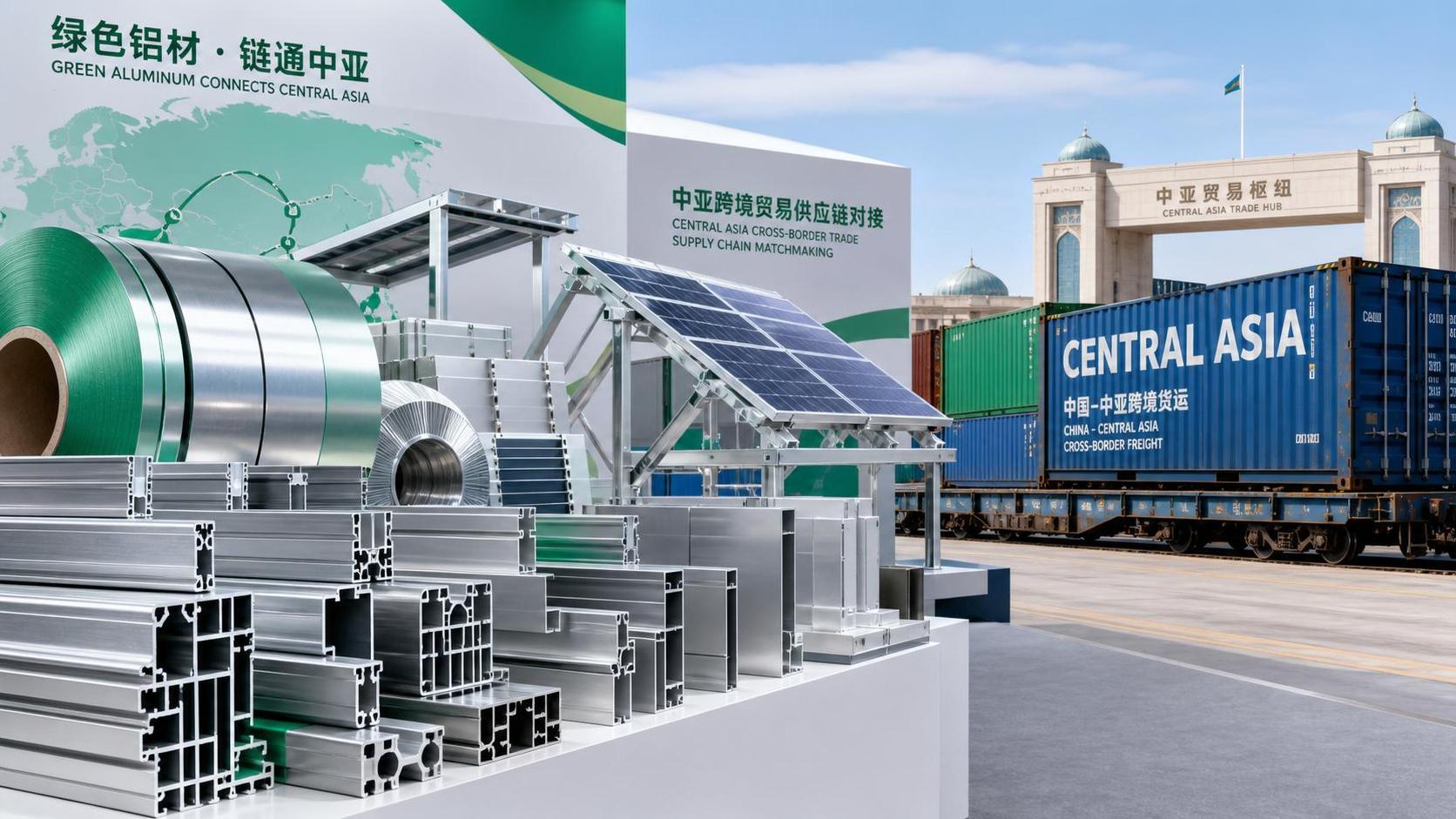
On June 22, 2026, the fourth China International Supply Chain Expo will open in Beijing, with Xinjiang XINLV Aluminium making its first appearance and highlighting photovoltaic-support aluminum materials alongside a full range of green aluminum products. From an industry perspective, the development is worth watching not simply as an exhibition update, but as a practical signal around cross-border supply-chain matching, buyer due diligence, export delivery coordination, and market-entry requirements for aluminum products moving into Central Asian and broader Eurasian trade channels.
A trade-matching window with direct cross-border relevance
According to the provided information, the fourth China International Supply Chain Expo will be held in Beijing on June 22, 2026. Xinjiang XINLV Aluminium will participate for the first time and plans to showcase photovoltaic-related aluminum materials and a full range of green aluminum products. The company has also stated that, through Belt and Road channels, it has already achieved capacity expansion overseas and stable channel coverage in Kazakhstan, Uzbekistan, and Russia. The event is described as an important window for overseas buyers to connect with high-quality Chinese aluminum supply chains, especially by offering importers from Central Asia and the wider Eurasian market a one-stop setting for factory review, product selection, and cooperation implementation.
Where the operational impact is likely to be felt
For exporters and cross-border sales teams
Analysis shows that exporters of aluminum products may see the strongest impact in customer acquisition and transaction preparation. A one-stop setting for factory review and product selection means buyers may expect suppliers to present qualification documents, technical product materials, and delivery-related information in a more organized and verifiable form. What deserves closer attention is not only the sales opportunity itself, but also whether supplier-facing materials are ready for compliance review and commercial negotiation.
For buyers sourcing photovoltaic-related materials
For procurement teams, the development points to a possible shift toward more concentrated supplier screening around photovoltaic-support aluminum and green aluminum categories. Observably, when sourcing is tied to exhibition-based matching and factory verification, buyers may place greater emphasis on supplier consistency, product documentation, specification alignment, and the practical ability to support downstream delivery. The effect is likely to be felt in shortlist creation, sample evaluation, qualification review, and contracting preparation.
For channel operators and supply-chain service providers
Channel partners and supply-chain service firms may be affected through coordination demands across market coverage, transaction execution, and follow-up delivery support. Since the provided information refers to stable channel coverage in several overseas markets, service providers involved in trade handling, document flow, and delivery coordination should pay closer attention to whether counterparties require clearer proof of product origin, technical conformity materials, or post-sale traceability records during deal execution. This should be understood as an operational consideration rather than a confirmed new rule.
What companies should verify before treating this as a market-opening signal
Check whether compliance files are presentation-ready
Analysis shows that companies targeting similar markets should first review whether product descriptions, technical documents, inspection materials, and qualification files are ready for buyer-facing due diligence. The current information does not specify mandatory certifications or filing requirements, so companies should avoid assuming uniform market access standards and instead prepare for market-by-market review.
Monitor how buyer requirements are expressed in practice
What deserves closer attention is the wording used in procurement requests, tender materials, factory-review processes, and technical exchanges after the event. Even when a trade platform creates access to buyers, the actual transaction threshold may still depend on how purchasers define product specifications, green-product claims, supporting documents, and delivery responsibilities in their own execution process.
Reassess delivery planning for Central Asian and Eurasian channels
For companies planning exports or channel expansion, it is prudent to examine whether current lead times, supply continuity arrangements, and after-sales support processes are adequate for cross-border business development. The provided information confirms market coverage and cooperation opportunities, but it does not provide detailed execution standards, so delivery planning should remain conservative and document-based.
Keep product claims aligned with what can be evidenced
Because the event highlights photovoltaic-support aluminum and green aluminum products, companies should pay particular attention to how such claims are communicated in catalogs, technical sheets, and negotiation materials. Observably, overstating performance, sustainability positioning, or supply capability without clear supporting records could become a practical risk during buyer review, even if no specific certification regime is identified in the input.
Why this is more of an execution signal than a settled rule change
From an industry perspective, this development is better read as an execution signal in cross-border supply-chain organization rather than as proof of a newly issued formal regulation. The notable point is that the exhibition setting, the focus on green aluminum and photovoltaic-support materials, and the reference to one-stop factory review and cooperation landing together suggest a more structured buyer-seller matching environment. At the same time, the current information does not establish a new legal requirement, a formal certification rule, or a published trade standard, so follow-up observation remains necessary.
How the market should interpret this stage
It is more appropriate to understand this event as a practical marker of how trade access, supplier screening, and channel building may increasingly converge in one commercial setting for aluminum-related business tied to Central Asian and Eurasian demand. The immediate significance lies in the organization of supply-chain contact and verification. Any broader conclusion about durable rule changes, procurement thresholds, or compliance standardization should remain conditional until more specific execution details, buyer requirements, or market feedback become available.
Basis of this article and what still needs verification
This article is generated from the user-provided news title, event date, and event summary. For developments of this kind, commonly relevant source categories may include official event announcements, regulatory releases, customs or trade-administration information, industry association updates, standards documentation, and reporting by authoritative media. No specific official source link was provided in the input, so that link-level verification remains outstanding. Continued attention should be paid to any later official wording, certification interpretations, tender-document changes, buyer feedback, and actual enterprise execution in the markets mentioned.
Navigation
Send Us A Message
Professional field of aluminum bars
24/7 before-sales and after-sales services
Comprehensive technical support